• Articles

    The future is Kafka

    “A.I.” as an evil super-bureaucracy

    “Someone must have slandered Josef K., for one morning, without having done anything truly wrong, he was arrested.”Franz Kafka, “The Trial”

    The Industrial Revolution and its consequences have been a disaster for the human race. They have greatly increased the life-expectancy of those of us who live in “advanced” countries, but they have destabilized society, have made life unfulfilling, have subjected human beings to indignities, have led to widespread psychological suffering (in the Third World to physical suffering as well) and have inflicted severe damage on the natural world. The continued development of technology will worsen the situation. It will certainly subject human beings to greater indignities and inflict greater damage on the natural world, it will probably lead to greater social disruption and psychological suffering, and it may lead to increased physical suffering even in “advanced” countries.Theodore Kaczynski, “The Industrial Society and its Future”


    This story starts with a forgotten password. I wanted to log into the portal of my former university, in a country I no longer live, to obtain a record of my old academic transcript. But I didn’t remember my password. So I clicked on the “I forgot my password” thing below.

    A message appeared informing me that they would send a new password to my email address — except that the address associated with the account was a very old one from many years ago that I no longer had access to.

    I called the university, and after several minutes of recordings telling me to press such or such number for such or such thing, a human finally answered on the other line. I explained my problem, and here’s when things start to get interesting.

    In order to change my email address, I had to provide a formal signed declaration requesting it, to prove that I was really me and not someone pretending to be me. (Why someone else would want to access my old academic transcript was never explained).

    The signature needed to be notarized, or otherwise I could do a “digital signature” through a new government app that had been created to “simplify” things.

    The first option was not possible since I no longer lived in that country and could not go to a local notary’s office, so I decided to try the digital option.

    However, when I logged in to the government site, I found out that also there I needed to prove that I was really myself, and in order to do that I needed to allow myself to be photographed to be matched with the government’s facial recognition database and then provide the “QR-code” from my identity document.

    Of course, since I hadn’t lived in that country for more than twenty years, my old ID is a paper card that doesn’t have any “QR-code”, and I doubt I am in their “facial recognition database” (or, if I am, it must be from a very old photograph, with much more hair and barely recognizable).

    I called again and said that all I wanted was to change my password, not to be a volunteer in a reenactment of “1984”. But I was informed that because of the new “Data Privacy Law” of such and such year, that was the only possibility.

    Then I searched into a dusty folder and found an old printed copy of my academic transcript, which solved the immediate problem. But I am still unable to log into the university’s site.

    And my problems didn’t end there, because the very next day I received a letter informing me of yet another even worse bureaucratic nightmare, this time in the country where I currently live in. And that nightmare is still ongoing.


    I hate bureaucracy. It is evil. In fact, I agree with the blogger Bruce Charlton that it is positively demonic.


    One of the things I hate about political discussions is that everything is like cheering for a soccer team. You have to support your side on everything, you can’t pick and choose. If you’re on the left, you have to agree with them about abortion, euthanasia, migration, feminism, etc etc. If you’re on the right, the same thing, just on the opposite side.

    But if you’re someone like me, who’s usually more to the right but who occasionally thinks, “hey, maybe this idea from the left is not completely bad”, you’ll end up hated by everyone.

    Because I foolishly made a few videos questioning the conventional wisdom about the war in the Ukraine, a country which seems to me very corrupt, some viewers seem to have thought that this could only mean that I considered Russia the pinnacle of human civilization, or worse, that I was wishing for a return of the Soviet Union.

    Let me explain my political philosophy to you in a way that even an autistic child can understand:

    1. I am not a Nazi.

    2. I am not a Communist.

    3. The best government is the one that LEAVES ME ALONE the most.

    Nazis were evil because they created a huge, inhuman bureaucracy where masses of people were treated, not as individuals, but as mere numbers in a classification system, some destined to live, some to go to prison or die.

    Communists were evil because they did exactly the same thing.

    That one did it based on ethnicity or race, and the other did it based on social class is a mere detail. It is the bureaucracy itself that is evil. Why can’t more people understand that?

    I fear that the new A.I. panopticon system that is coming will make such things even worse than Nazism, Communism, and the fictional words of “1984” and Brave New World together. We had already an inkling of that during the “Covid” era with its “vaccine passports”, but I fear that what is coming is going to be even more drastic.

    First of all, the phenomenon is already global. There is no escape. It’s not just my old country. Almost all countries now have some sort of giant government digital database where all your information will be stored, from your face to your tax records to your medical history to your genetic information. The whole thing will be soon automated and managed by “A.I.”.

    Which, contrary to the propaganda and to what most people think, has nothing to do with “intelligence”. It is all about gathering huge amounts of data and automating the responses to it.

    It simply means that when things go wrong and thousands are sent to the gulags or to the extermination camps, there will no longer be some unlucky civil servant to be blamed or to say “I was just following orders”.

    They will simply blame the bots, and that will be it.

    The nascent techno-totalitarian bureaucratic society must be destroyed, or we’ll all be slaves.

    Death to bureaucracy!

  • Articles

    No news is good news

    Why are we so addicted to news and political commentary?

    I must apologize to my dwindling number of readers, because I keep writing or making videos about many different things and even avoiding news commentary lately.

    You know, I usually have only one dislike in my occasional videos on YouTube. I think it’s always the same person, maybe a secret hater. But the latest video about conspiracies had 8 dislikes. Wow. So, I guess that didn’t work. The art videos were also not that great, so I stopped doing them for the moment.

    But the truth is that I really stopped reading the news and political commentary (well, as much as I can — it’s almost impossible to avoid it altogether) and will try to continue to avoid doing so, at least until Easter.

    Why?

    I think that we are all addicted to news. I am too. The first thing I would do every morning would be to read the news and then my favourite political blogs (nothing mainstream, all in alternative news sites or blogs, things you probably never even heard about).

    But in the modern world we receive much more information than we need. Many times I think about people in the Middle Ages. Most people couldn’t even read, unless they were monks or higher class, and in any case there were no newspapers back then. People got informed by word of mouth, by the local priest at church, or sometimes by official messengers, but it was usually just about local stuff. Like: Vikings have just raided a village nearby and killed all the men and raped all the women, so run for your lives!

    You know, important stuff that could probably affect you.

    But today we are supposed to fret about a tsunami in Japan, a tornado in Kansas, the new dress code laws in France and the ongoing fight for women’s rights in Afghanistan. Plus a lot of other things which usually don’t affect us directly. And, even when they do, there’s nothing we can do about it. So it’s just a lot of worry for nothing.

    To compound the problem, there is a lot of manipulation and lies on the news, when not completely manufactured events. It is by design. We live under constant psychological terror. We must fear terrorist attacks, or a pandemic, or a world war, or an economic crisis, or having 51 different genders to choose from.

    I think there is an explanation for our addiction to news, and it probably comes from the fact that during most of human history, it was useful to know the most you could about your surroundings and about the people around you. Sometimes, it could mean life or death.

    But with the invention of the printing press, and today with smartphones and social media, we receive much more information that we might possibly need. A constant, never-ending stream.

    This is used by the powers that be to keep us in a constant state of propaganda overdrive. And when there are no real events to torment you, they even create fake ones.

    But I understand that most people come here looking for their fix of news commentary. And, when they can’t find it, they get frustrated.

    “Man, what is this crap about drawing and art? You are supposed to be talking about Trump and Russia and China!”

    There’s a philosopher, Isaiah Berlin, who said that people are divided into foxes or hedgehogs. Hedgehogs are those who have one big idea or interest or specialization, and do that over and over. Foxes are those who have multiple interests and jump constantly from one thing to the next.

    It’s true I was obsessed with international events for over a year. There are some guys, I don’t follow them anymore but they have been doing videos about the war in the Ukraine since 2022, basically one new video every day, always about the same issues. And I guess it’s great, it’s working for them and they have much more viewers than I could ever dream to have.

    But what can I say? I’m a fox. I cannot keep my interest in just one single thing forever. Unless I got paid for it. A lot. But I’m not paid.

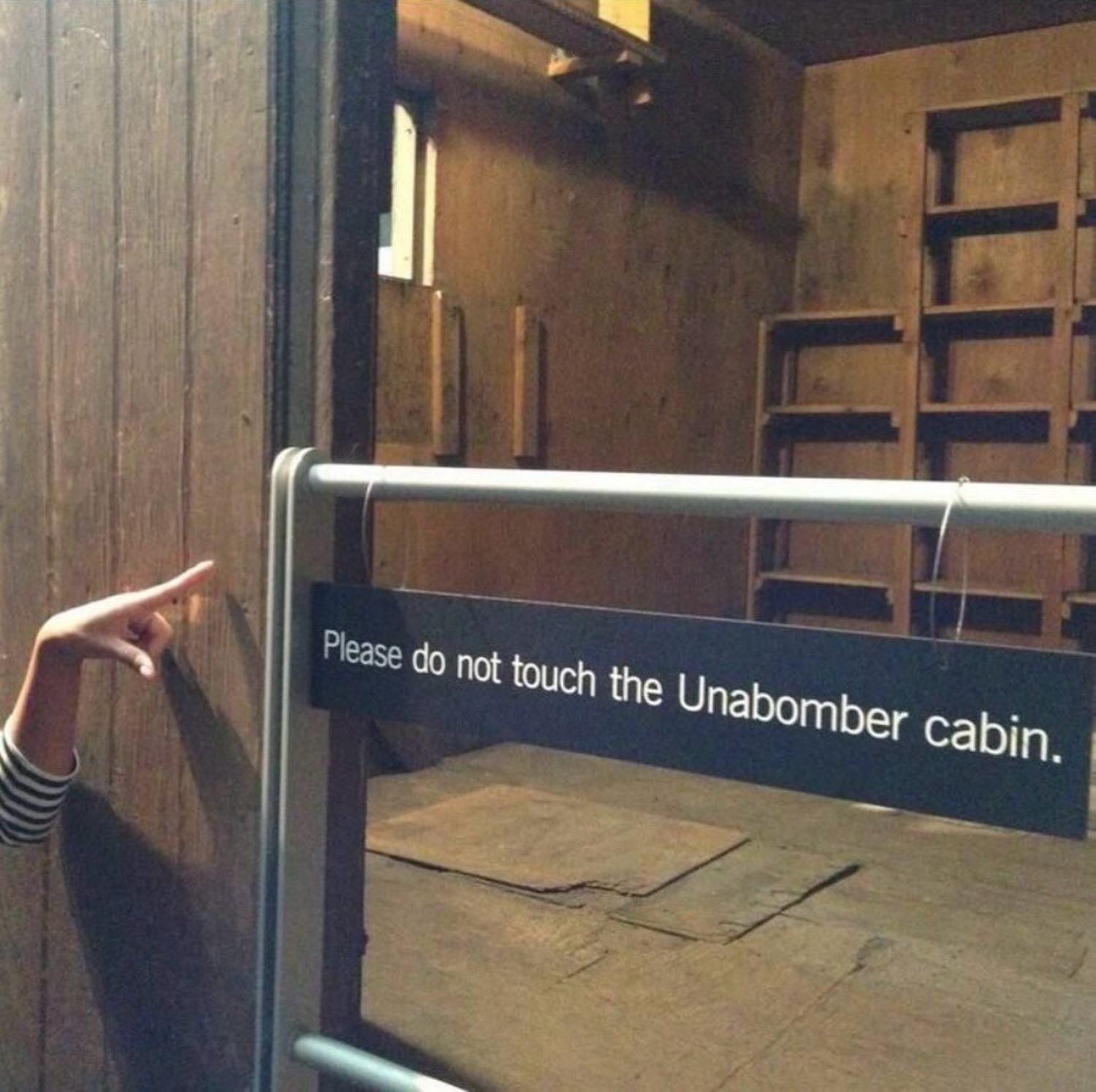
    To be honest, it feels great not reading the news for a while. In fact, I wish I could avoid them completely, but in the modern world this is basically impossible. Unless you throw away your cell phone and live alone in a cabin in the forest like Thoreau or the Unabomber, something always filters in.

    In any case, unless I decide to move to a cabin, I think I will keep writing or making videos about whatever strikes my fancy on that particular day. Art, history, poetry, maybe even cooking. Or pets. Or conspiracy theories.

    Some may like it. Some may not. Whatever. Life is short. There’s no need to add even more worries. Sufficient for the day is the evil thereof.

  • Articles

    How to draw

    A journey towards self-improvement

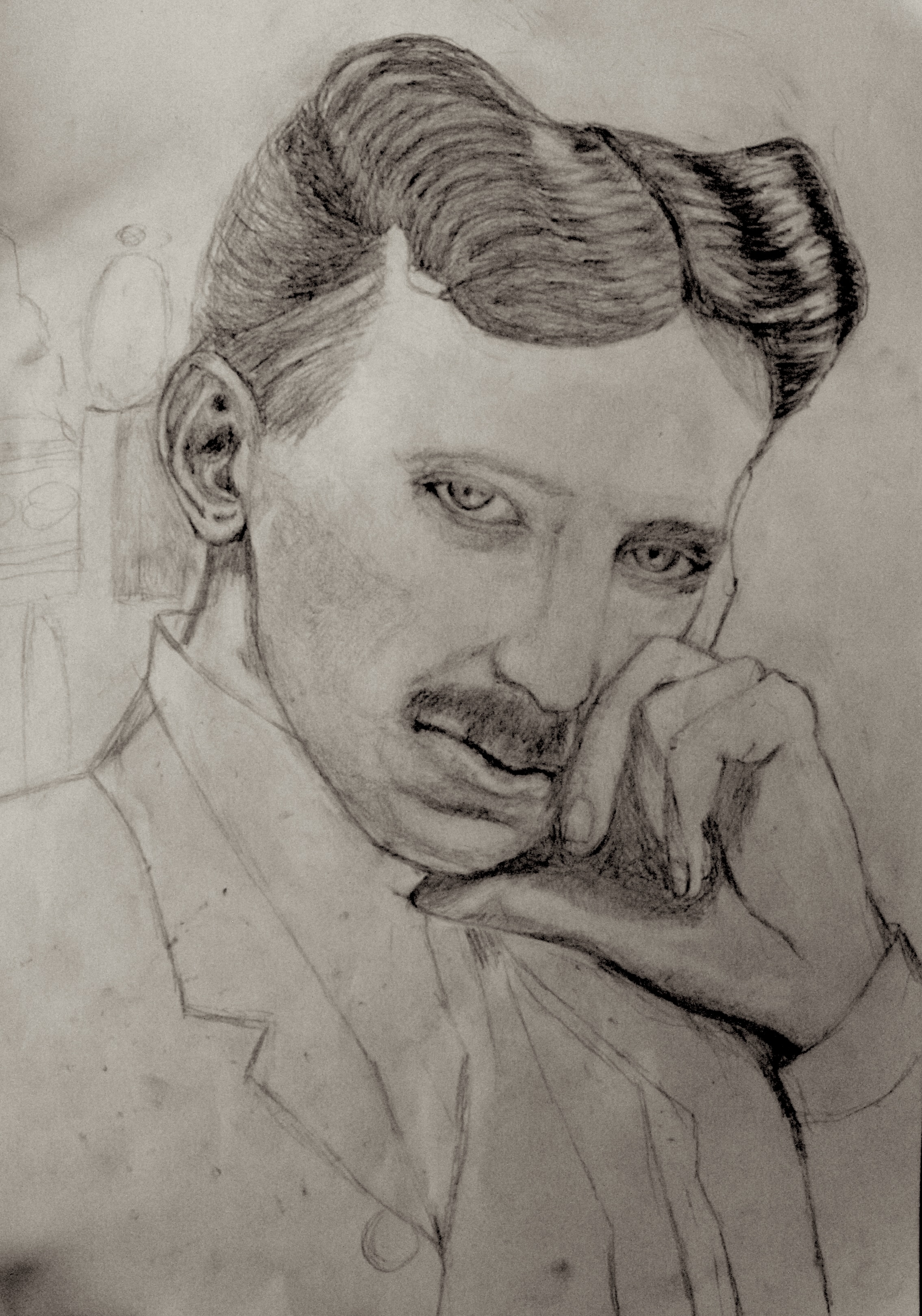
    I’ve grown weary of politics and news, so lately I’ve been mostly trying to focus on other endeavours. For instance, I’ve been practicing drawing and painting.

    I think it is important to learn to draw and paint, especially in this age dominated by “AI” and digital stuff in general.

    You may ask — why? Isn’t it now, in the age of AI, an archaic, old-fashioned skill?

    I think it is exactly the opposite. Drawing teaches you many things. Mainly, it teaches you to see (many people look, but do not see). It also teaches you patience and perseverance. Also, it allows you to create something real, and not just digital.

    (In this sense, I am really old-fashioned, and I would also like to go back to writing with pen instead of on a computer, if I could, but, for now, a computer will have to do).

    One of the best books about drawing is Elements of Drawing, by John Ruskin. It can be found online, and I can’t praise it highly enough.

    John Ruskin was not just a skillful writer and general polymath, he was also a very good artist.

    Now, I have studied and practiced drawing since my childhood, but I was never very good at it. But now I think it was mostly because I never learned it the right way. True, I don’t think I was born with a particular talent or gift for art, and of course I could never be a Leonardo or a Botticelli, but, as Ruskin says, you do not need to be necessarily talented to learn to draw:

    Do not, therefore, think that you can learn drawing, any more than a new language, without some hard and disagreeable labor. But do not, on the other hand, if you are ready and willing to pay this price, fear that you may be unable to get on for want of special talent. It is indeed true that the persons who have peculiar talent for art, draw instinctively, and get on almost without teaching; though never without toil. It is true, also, that of inferior talent for drawing there are many degrees: it will take one person a much longer time than another to attain the same results, and the results thus painfully attained are never quite so satisfactory as those got with greater ease when the faculties are naturally adapted to the study. But I have never yet, in the experiments I have made, met with a person who could not learn to draw at all; and, in general, there is a satisfactory and available power in every one to learn drawing if he wishes, just as nearly all persons have the power of learning French, Latin, or arithmetic, in a decent and useful degree, if their lot in life requires them to possess such knowledge.

    Yes, learning to draw, especially in its initial stages, can be boring and a lot of hard work; and part of my problem was just being too lazy to do the “hard work” part.

    However, I think it’s also that I never really understood before what drawing was all about. It was not until a brief course I took in Florence last year that something finally clicked for me, and I discovered that it was not so much about learning to draw lines and shapes, but more about learning to see things in terms of light and dark. That is, I think, the real essence of drawing and painting: it is not so much about the concrete, abstract shape of things, which, like Plato’s perfect forms, do not exist in reality, but about how things are revealed and shaped by light.

    Corrupted learning

    One of the problems of modernity is that everything is corrupted. Even art schools. Many today don’t even teach the basics of drawing and painting. I met a few “artists” that graduated from some of those schools, and they learned to do “installations” and “performances”, but they never learned to draw. It is as if a school of engineering didn’t teach you math, or a school of medicine didn’t teach you anatomy.

    Just following two simple exercises from Ruskin’s book — practicing different gradations of shading, and practicing drawing the outline of the shape of different types of plants — and those students would have learned more than they learned in four years at those “modern art schools”.

    (I should note, however, that not all art schools are bad, and in many of them you still actually learn the traditional arts of painting and drawing, even if you later also learn all about “installations” and “performances”. But many are bad.)

    I think the main problem is that today “art” is not seen as a skill, which was the original meaning of the word “art”, but it is more about “self-expression”. It follows then that anything is seen as valuable as anything else, because, how can you criticize someone else’s “self-expression”?

    But art traditionally was not about “self-expression”, but a practical skill in creating beautiful things. (Oh, how demodé, to talk about “beauty”in art — of course that hasn’t been an objective of modern art at least since the 1930s).

    I would go even further and say that the only real art is religious art. In most cultures art always begins with the representation of religious figures. The ancient Romans created sculptures of their gods and demigods, and even the Aztecs created objects and sculptures of their gods and demons. The medieval artists created beautiful Christian imagery, but even up to the Renaissance and the Baroque the best art was still always the religious art.

    Sure, it helped that the Church was paying for it, as I mentioned in a previous article, and of course you also had portraits of kings, emperors or rich and powerful people, but it was rare that a portrait is as powerful and impacting as a great work of religious art. (And sometimes I think that art critics turned the “Mona Lisa” portrait into the most famous work of art just to downplay Leonardo’s much better religious paintings).

    But I digress.

    Mainly what I wanted to say is that anyone can learn to draw, and that it is a useful skill to have, even in this day and age, or mainly in this day and age.

    Also, that in drawing there is only one real rule, which also applies to anything else, and it is: practice, practice, practice. That’s really all there is to it. The more you practice, the better you get. (Okay, I am not sure if this applies to everything, and yes, there is such a thing as genius and natural talent, but it does apply to drawing, at least, up to a point).

    I would add that the same applies to any other skill, such as writing, or playing a musical instrument, but alas, there is not time enough in life to learn everything, and therefore one must sometimes choose. But I promise that, if I ever manage to become reasonably competent or satisfied with my level of drawing and painting, my next endeavour, if I live long enough, will be to learn to play the piano — and my neighbours ears’ be damned.

    Then, perhaps, I will proceed to learn to write well, producing captivating texts that can catch the readers’ attentions and obtain millions of followers.

  • Articles

    Trump the Destroyer

    Great American Hope or harbinger of the end of the World?

    What does Trump 2.0 mean?

    Those who idolize him see him as the Great American Saviour, chosen by God Himself after an assassination attempt to get rid of the “Deep State” and lead America into a new Golden Age.

    Those who hate him see in him an anti-progressive monster bent on destroying the lives of immigrants, transexuals, women and LGBTQ children of color.

    And there’s a minority who see him as a Judas’ goat, or, if you will, even an “anti-Christ” figure, whose main purpose is to lead Americans to new wars in the Middle East for Israel, and from then perhaps even to the end of the world.

    But who is he, really?

    Good Cop, or Bad Cop?

    I think he is neither. I think he is an actor playing a role.

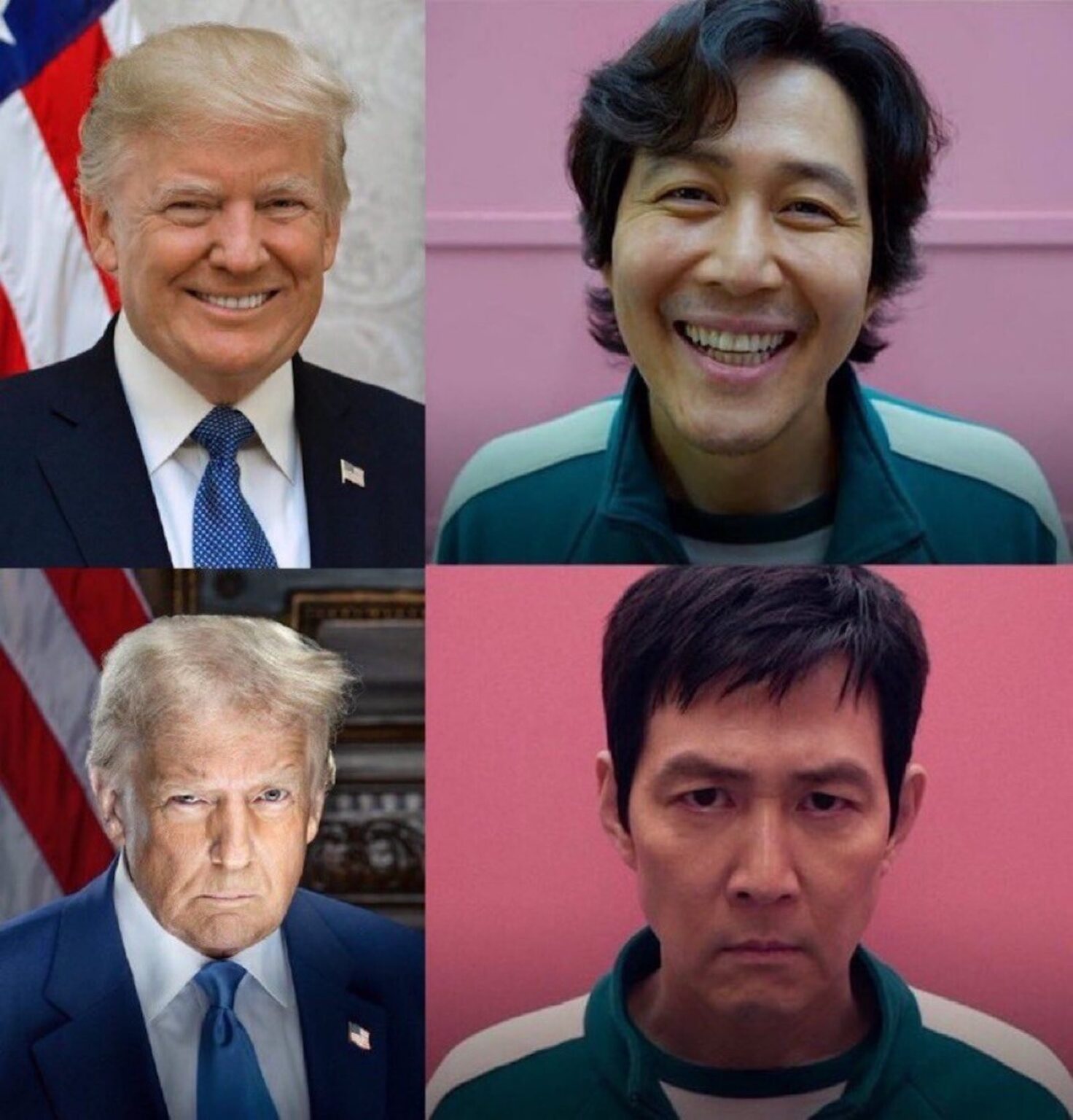
    Let’s look and compare his official portraits, the one from 2016 and the current one, clearly modelled on his mugshot.

    For the past four years, Trump played the role of a maverick ex-president persecuted by the “Deep State” in all kinds of ways. And I don’t know if the assassination attempt in Pennsylvania was real or fake, but it was a very strange event that looked as if it was part of the campaign, complete with photo-op and everything.

    But whether it was real or not, it certainly reinforced the view of Trump as someone who is heavily persecuted by the “Deep State”.

    But what if there was no “Deep State”, or, rather, what if the “Deep State” was also supporting Trump?

    Everyone expected Trump to turn against China, to continue the enmity with Russia and Iran and to continue supporting Israel. This will indeed likely happen (although perhaps not so much now on the Russian front right now).

    But what was quite unexpected was his sharp turn against the supposed allies Canada and the EU, with tariffs used as political tools, and the intention of grabbing Greenland. His comments about “owning Gaza” were also baffling. And his recent public spat with Zelensky was something extraordinary too, to say the least.

    But Trump has a long history of outrageous comments and acts that end up in nothing. In fact most of the tariffs have already been postponed, the deportations of illegals (of which much was made during the first weeks) have already dwindled to insignificant numbers, and in Gaza, so far, nothing has changed on the ground. In Ukraine, too, nothing much seems to have changed yet besides a reshuffling of the cards, despite the theatrical discussion at the White House.

    Remember the Wall with Mexico and the Muslim ban, from 2016? Same old, same old.

    Operation Mars?

    I didn’t watch the inauguration, but there some strange elements there, starting with Melania’s weird comic villain hat and the two books she was holding but which Trump didn’t touch (I guess one was the Bible, but what was the other one?) and ending with Trump and Musk talking about Mars.

    Since the last time humans (supposedly…) landed on the Moon was back in 1972 and never went back, I doubt we will be heading to Mars, except through CGI and AI. But in Greek/Roman mythology Mars is the God of War, and perhaps this is the meaning intended?

    Trump has already said that he left instructions to “obliterate Iran” in case he is assassinated, which is a very strange thing to say. So it might be that the whole thing is just a prelude to war with Iran?

    It’s not the economy, stupid

    On the economic front, Trump was supposed to be “good for the economy”, as Republicans tend to do better there than Democrats, but so far, things are not looking very good. The stock market is going down, inflation is increasing with egg prices through the roof (but not only), and the proposed tariffs used as political tools are annoying almost everyone. Even Bitcoin is down now.

    As Oscar Wilde, or maybe somebody else, said, “It’s hard to make predictions, especially about the future”, and, contrary to most political pundits, I have no crystal ball.

    It is possible that some good things will come out of it. (RFK? Or is that another deception?) Just turning back the pendulum from the extreme social changes of the Biden years would be an improvement.

    But I am not very optimistic that things will change very much for the better, or maybe I have just become cynical with age.

    We shall see.

  • Articles

    Our Lynchian world

    A brief tribute to David Lynch (1946-2025)

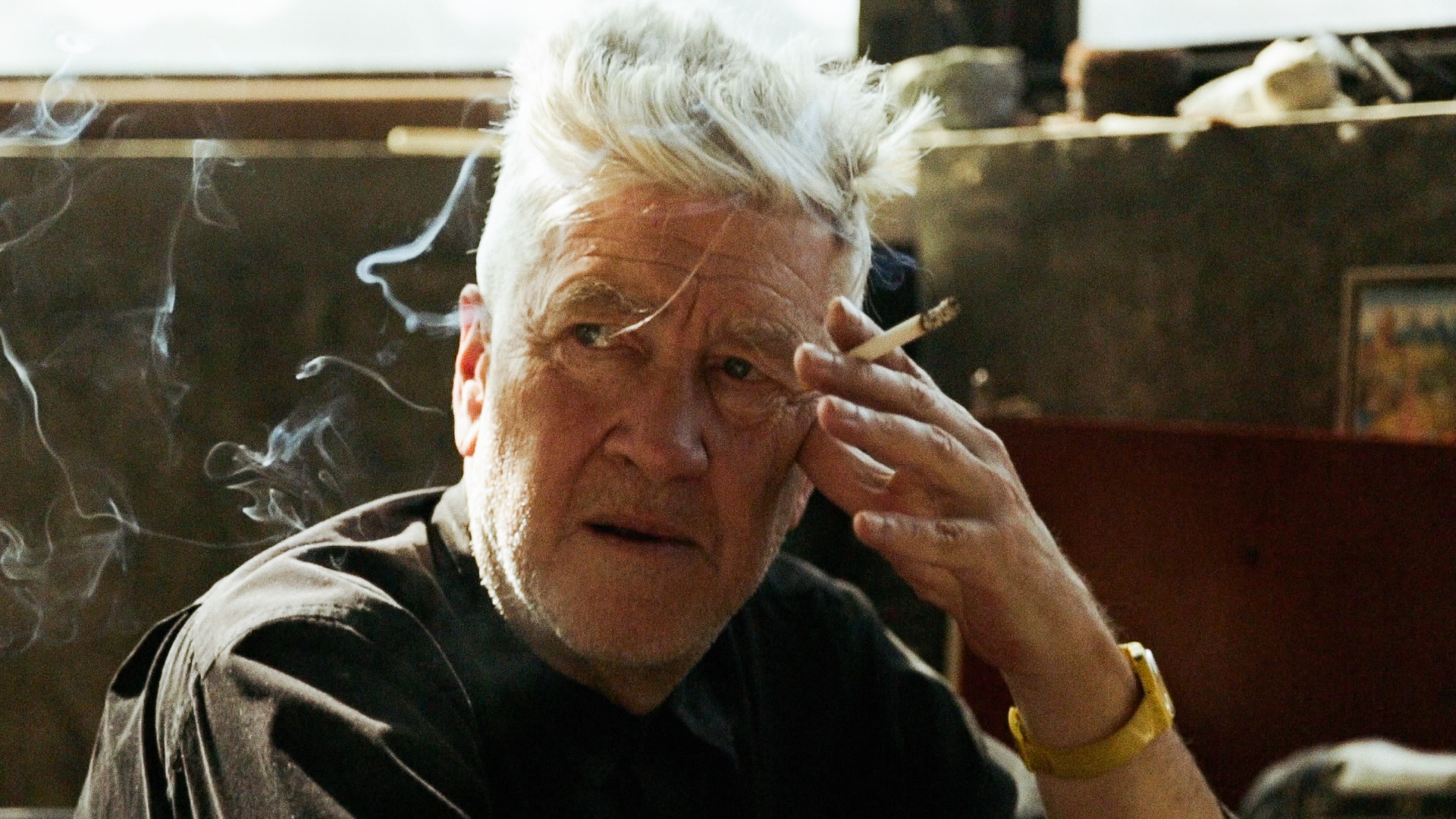
    Whatever you think of his films, David Lynch was no doubt an interesting character, as well as one of the last true artists of the modern age.

    Now, having recently died, he is being widely celebrated, but it was not always so. For years many dismissed him as an eccentric creator of artsy fartsy nonsense, and he had trouble financing many of his projects.

    His last two feature films had to be finished with European funding, as American studios cancelled them before completion, and in fact he did not make a feature film since 2006’s Inland Empire, which was independently produced. (His last major work, however, Twin Peaks: The Return, from 2017, was financed by an American TV channel).

    His work was not everyone’s cup of tea. I personally find some of his work endlessly fascinating, while there are other things that I can’t bring myself to like.

    The first film of his I saw was probably Dune (1984). I watched in the cinemas when I was just 12 or 13 and had just read the book. I remember liking a lot of it, even if the whole felt a bit choppy and incoherent. I re-watched it recently, and, despite its defects, caused mostly by the producer’s cuts, I still like it much better than the current version by Villeneuve, which I couldn’t even finish.

    I also like Elephant Man, Blue Velvet, Mulholland Drive, Eraserhead. Those are probably his masterpieces, in particular the last two, one made at the beginning of his career and another towards the end.

    I don’t like so much Wild at Heart. In fact, I hated it the first time I saw it, but it takes courage to appreciate anything with Nicholas Cage.

    Lost Highway and Fire Walk With Me are interesting, but a bit too dark for my taste. Not among my favourites, even though both have great moments and characters.

    Twin Peaks, the original from the 1990s, is amazing and revolutionary until the forced revelation of the murder mystery, then it becomes increasingly silly. But, like in Dune, the producers are the ones to blame here, more than Lynch.

    I am a bit more ambiguous about Twin Peaks: The Return (2017). It has some great things and some pretty bad things, an uneven pace and a few scenes that feel (to me) more like a caricature of Lynch than real Lynch, as if they were directed by an evil doppelganger of the director. Perhaps it would have been better if it had been kept to the original planned length of 9 episodes instead of 18. But there are many scenes and at least one full episode, “Got a light”, which is pure Lynchian brilliancy.

    Also, considering the Twin Peaks universe as a whole, which includes all three series plus Fire Walk With Me and perhaps a few other references in other movies, it is a certainly a tour de force that includes much of the director’s best work.

    It is a cliche that his films follow the logic of dreams more than coherent plots. This is true, but not in the way most people think.

    Take Mulholland Drive, for instance. Many interpret the story to be a “dream” in the first two thirds, and “reality” in the last third.

    But, in fact, the whole thing is a dream. It’s just that the second part is a nightmare, but no more “real” than the first part. It’s just two sides of the same coin.

    By the way, for those who don’t know, Mulholland Drive is a road full of curves that goes across the Hollywood hills, where many stars and former stars’ houses are located, and from which at its highest point you can see a wonderful view of the city. It can also be a bit scary: at night it is usually empty and silent, but it is also pretty narrow and curvy and dark, and you never know if a car might be coming at you at full speed on the next curve. When I lived in Los Angeles, in the early 2010s, I enjoyed driving at night along Mulholland Drive and pretending I was in a David Lynch movie. (And who’s to say I wasn’t?).

    Lynch’s main theme, repeated in several films, can probably be summarized as this: nothing in the world is really what it seems. There is something beyond the purely material universe. There are many supernatural entities — call them demons, ghost, angels or fairies — who interfere in our Earthly reality, and there is a constant cosmic battle between Good and Evil.

    Years ago, such view might have been dismissed as a fairy tale.

    But just watch the news, look at what’s happening out there. Look at what they are selling to you as “reality” and at what they’re labeling as “conspiracy” or “fantasy”. Look at the freaky, nightmarish creatures in the upper echelons of our society and political world. Look at what’s behind the red curtain.

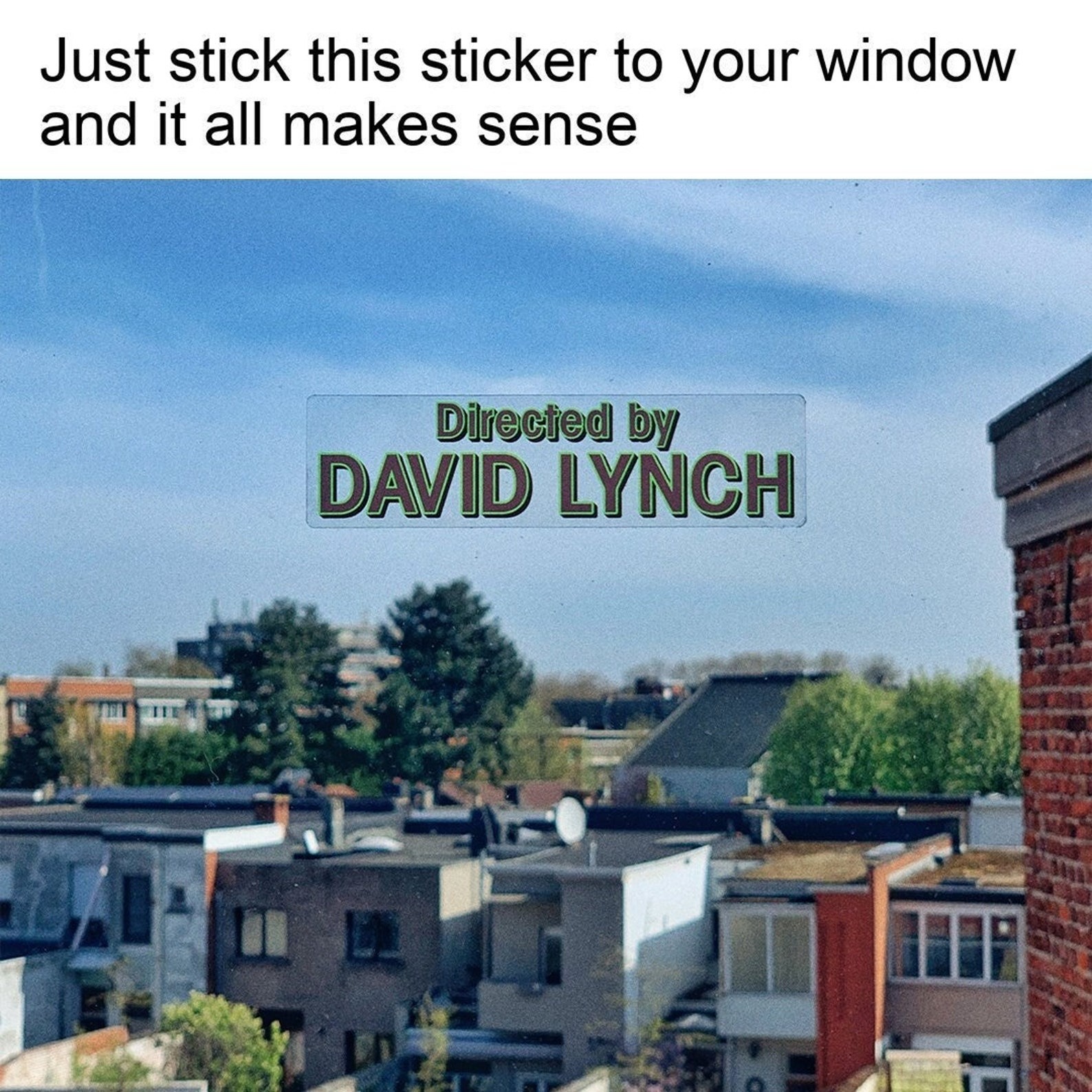
    It is increasingly clear that Lynch’s movies were more realistic than we gave him credit for. It’s a David Lynch world, we’re just living in it.

  • Articles

    Merry Christmas!

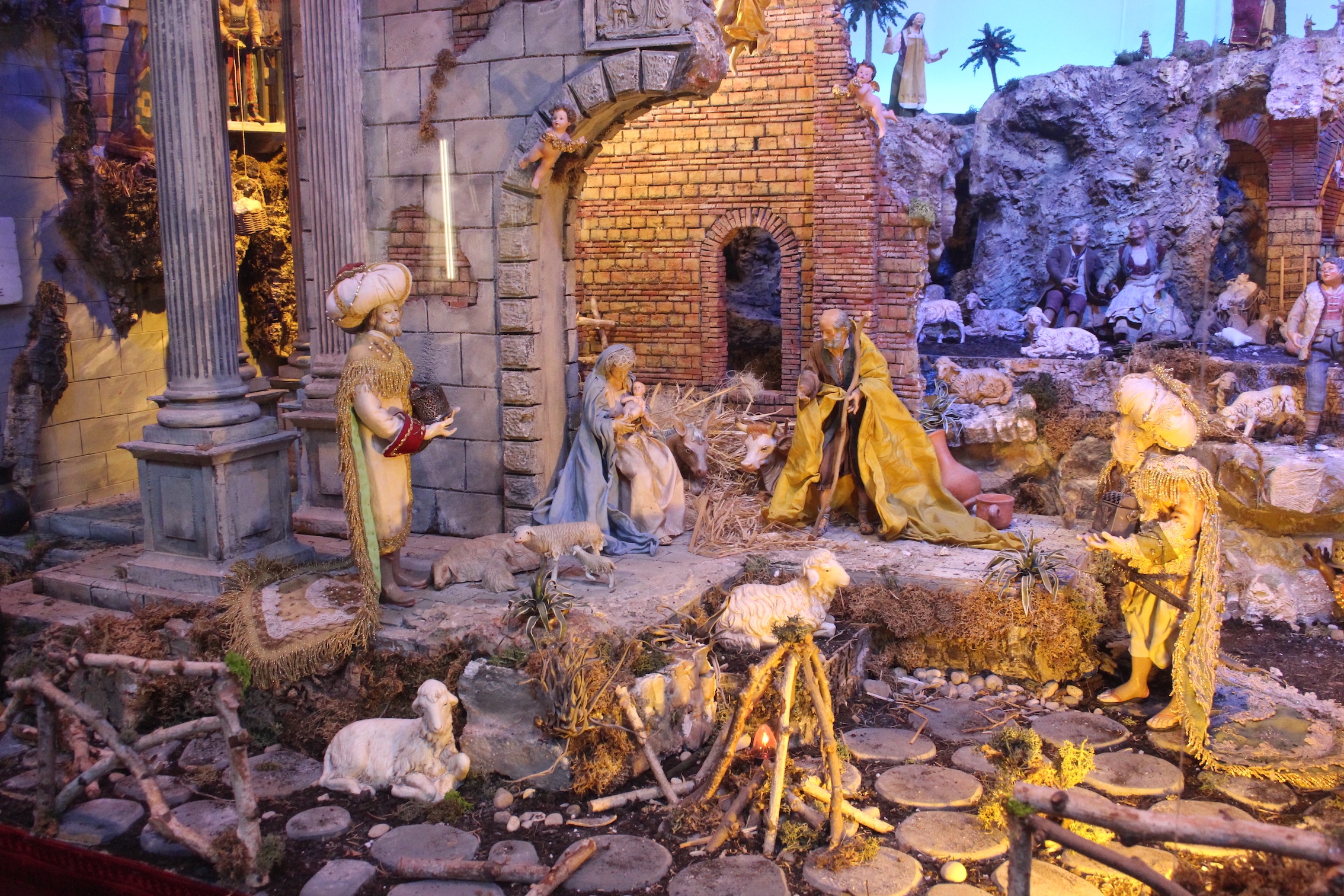
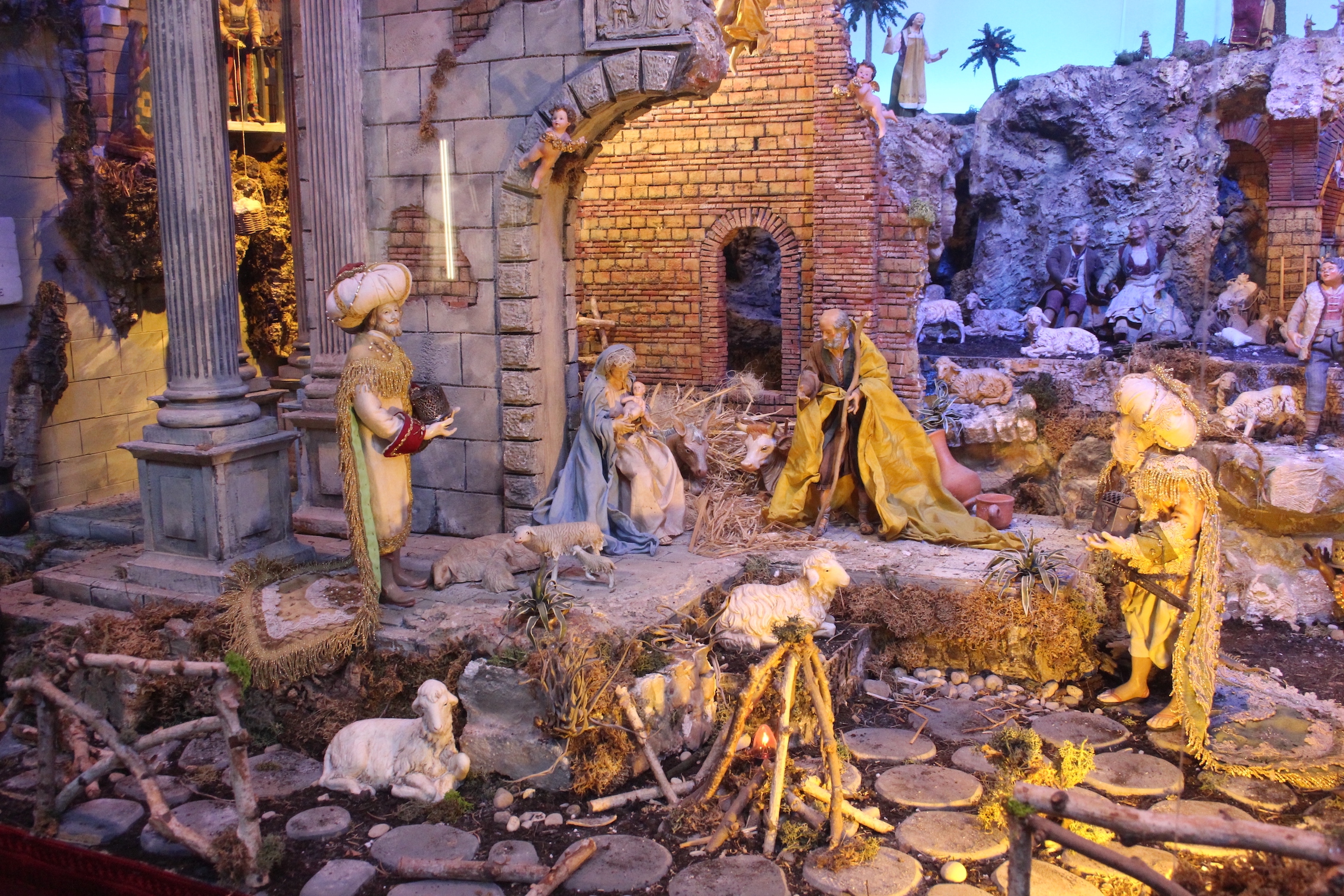
    The other day I was looking for a Christmas card with a Nativity scene to send to a more religious friend and I couldn’t find a single one. It was all trees, presents, Santa Claus, reindeers and even penguins. But no Nativity scene.

    Now, it is true that Christmas since the beginning adopted many pre-Christian symbols, in particular the tree that came from Nordic culture, but it is also true that there has been a more recent push to completely remove all religious symbols from Christmas. Perhaps it was simply that as the culture became more and more secular, those elements slowly fell into disuse, although it feels more like an artificial push than an organic movement.

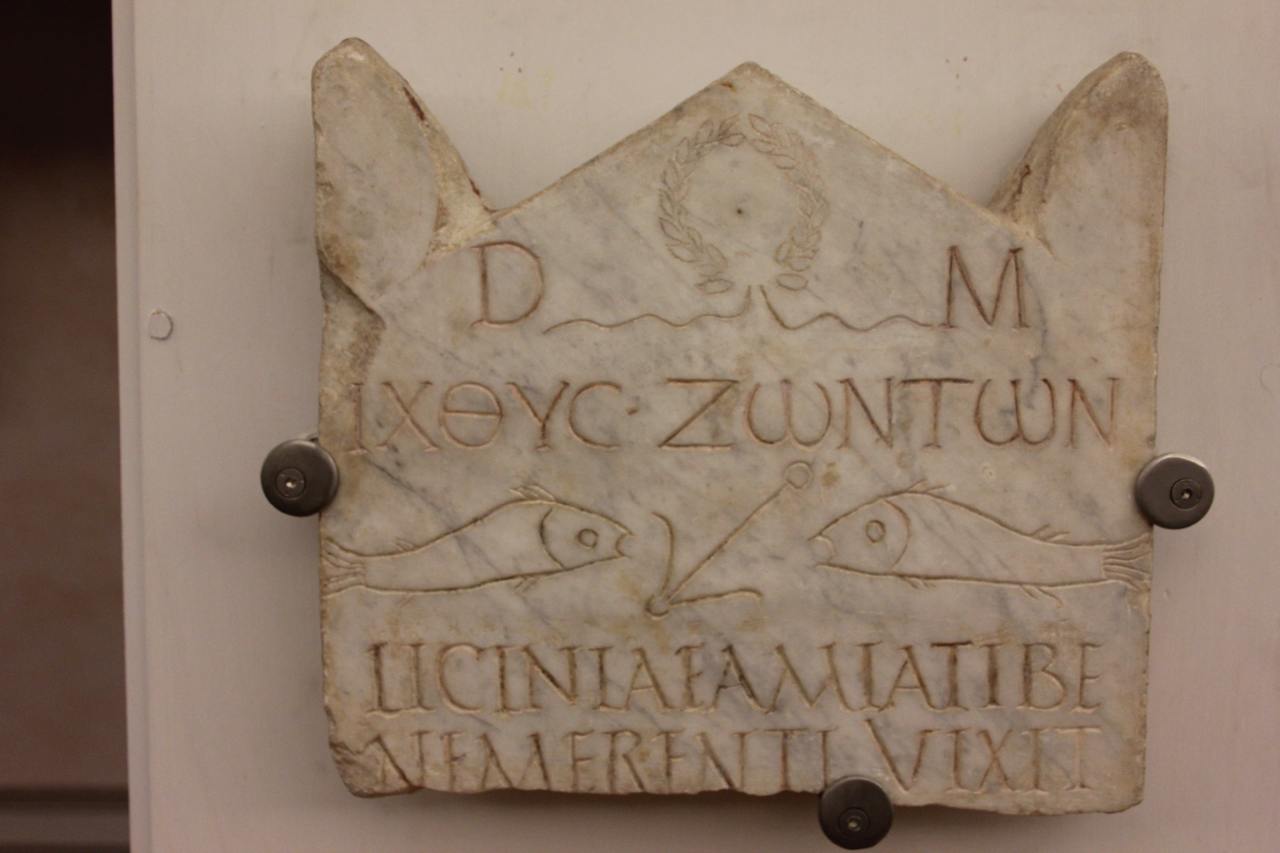
    Symbols change, it’s true. The early Christian symbol was a fish (Ichtis), not the Cross. Santa Claus (Saint Nikolaus) didn’t always wear red nor lived in the North Pole, but was portrayed dressed more like a bishop. Most customs and symbols that we associate today with Christmas are fairly recent, from the late 19th century and later. But they do have a root in earlier traditions, even as everything became more commercial and the party became more about gifts and food than anything else.

    And yet, without the holiday being about a miraculous birth, there is not much point to Christmas celebrations. I suppose some people still celebrate winter solstice these days, but it’s not really the same thing. What is the point of giving gifts if it’s just about the sun being at one place instead or another?

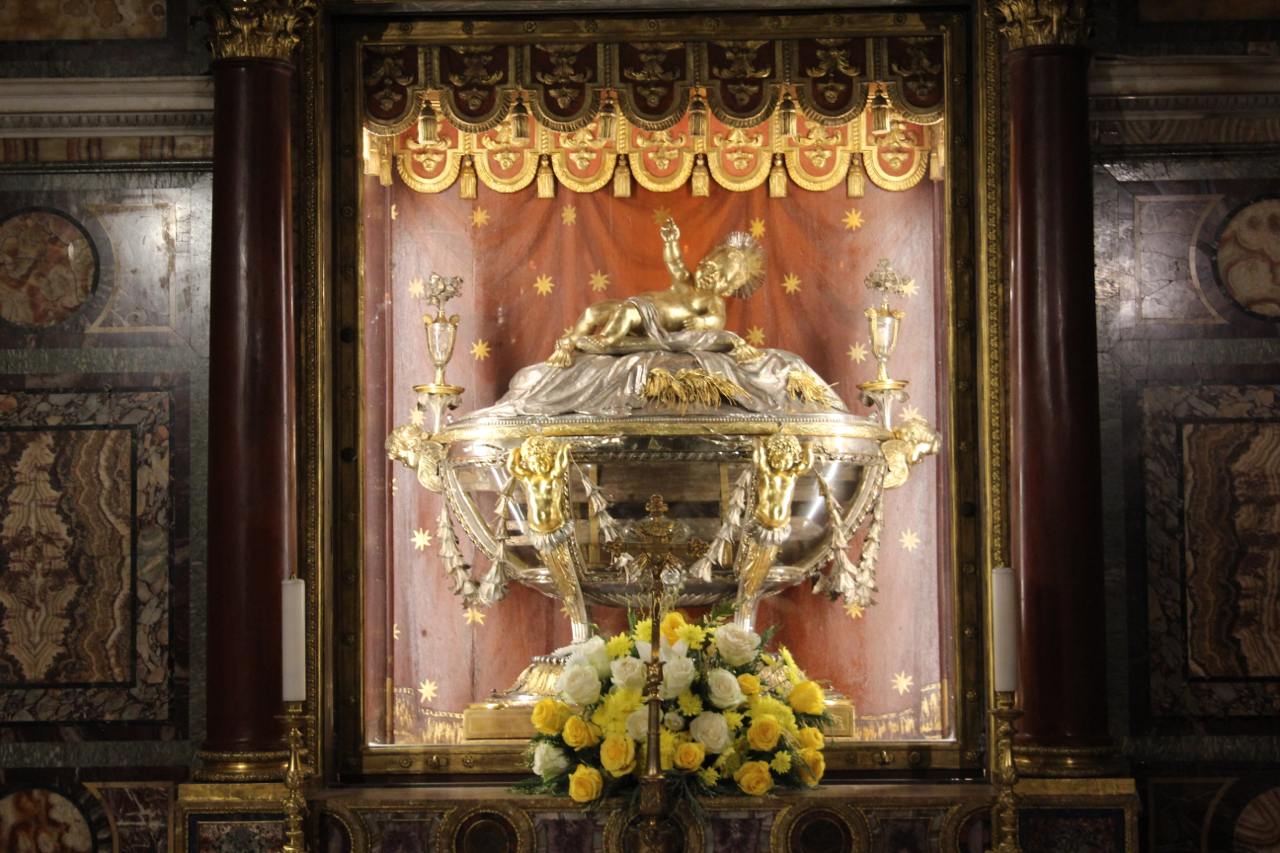
    In Rome, where I visited recently, in the Basilica de Santa Maria Maggiore, you can see an altar that supposedly contains four slabs of wood from the original manger in Betlehem where Jesus was placed when he was born. Who knows if it is real, but it is a nice symbol and remembrance of the real motive of the celebration. The birth of Child, and the birth of a new era. Peace on Earth to all men of good will.


    One of the earliest Christian symbols, 2nd century AD. Roman Museum.

    Slabs of wood from Christ’s manger, Santa Maria Maggiore, Rome.
  • Articles

    Merry Christmas!

    The other day I was looking for a Christmas card with a Nativity scene to send to a more religious friend and I couldn’t find a single one. It was all trees, presents, Santa Claus, reindeers and even penguins. But no Nativity scene.

    Now, it is true that Christmas since the beginning adopted many pre-Christian symbols, in particular the tree that came from Nordic culture, but it is also true that there has been a more recent push to completely remove all religious symbols from Christmas. Perhaps it was simply that as the culture became more and more secular, those elements slowly fell into disuse, although it feels more like an artificial push than an organic movement.

    Symbols change, it’s true. The early Christian symbol was a fish (Ichtis), not the Cross. Santa Claus (Saint Nikolaus) didn’t always wear red nor lived in the North Pole, but was portrayed dressed more like a bishop. Most customs and symbols that we associate today with Christmas are fairly recent, from the late 19th century and later. But they do have a root in earlier traditions, even as everything became more commercial and the party became more about gifts and food than anything else.

    And yet, without the holiday being about a miraculous birth, there is not much point to Christmas celebrations. I suppose some people still celebrate winter solstice these days, but it’s not really the same thing. What is the point of giving gifts if it’s just about the sun being at one place instead or another?

    In Rome, where I visited recently, in the Basilica de Santa Maria Maggiore, you can see an altar that supposedly contains four slabs of wood from the original manger in Betlehem where Jesus was placed when he was born. Who knows if it is real, but it is a nice symbol and remembrance of the real motive of the celebration. The birth of Child, and the birth of a new era. Peace on Earth to all men of good will.

  • Articles

    Love is the answer, but I forgot the question

    Loneliness in the modern world

    The algorithm works in mysterious ways. 

    I spent almost a full year working in a documentary film about Finland, taking the trouble to create complicated stop-motion scenes to represent dreams, and hardly anyone watched it. I think not even the people who appear in the film watched it. Maybe it was too long and too boring. Too artsy-fartsy. I don’t know.

    Then I published a quickly made video about my nostalgia for old technologies, and it had 3,000 views in a day. Weird.  

    But today I want to talk about something else. About love and friendship. About our relationships with others, and about how they are being affected by the strange world in which we live. 

    • (Note: You can also watch this in video version, above. Some people prefer it)

    I think it was the pessimist philosopher Schopenhauer who said it, but it could have been somebody else. He said that people are like hedgehogs. If they get too far apart, they feel lonely, but if they get too close, they prickle each other with their thorns.

    It’s true, but it’s also true that we cannot live without human connections. And while we may have thorns, we also learn to love each other despite them. We accommodate to each others’ thorns. 

    But the world were we live is against all kinds of human connections.  

    Forming a family has become increasingly hard for young men and young women. Birth rates are collapsing in most of the world.

    Even friendships are becoming more difficult, sometimes for reasons no one can understand. It’s hard. 

    Weird programs of social engineering have been created to set people increasingly apart, or to make them suspicious of each other. In no other age as in the modern world have there been so many people living alone. 

    It’s not just families. All kinds of social relations are being affected. People are increasingly hesitant to engage with others. 

    In Bowling Alone, written 20 years ago, Robert Putnam talked about how people were reducing their social interactions with their fellow citizens. There were less and less people joining clubs, joining the church choir, playing sports, organizing charity events.  

    Now, it’s much worse. Connections are mostly virtual. Even dating has become a completely online phenomenon, and everybody hates it. 

    And increasingly they want us living alone in pods, or locked inside a virtual world

    Covid was the worst. They forced families to be apart, made nonsensical rules about social distancing, and in some countries they even forbade people to go out and socialize with friends if they didn’t have a vaccine pass. 

    Now the Covid operation has been forgotten, as if it had never existed, and while the extremism of the policies has passed, the bad feeling caused by them remains. 

    And they continue with other policies to separate people, maybe not as extreme, but no less insidious. 

    It’s hard to live like this. But we must fight against this order that wants to destroy not just the family but any form of human relationship. They want atomized consumers, not humans. And so, even if it’s hard, we must rebel.  

    We must form communities again. We must form families again. We must form churches and clubs again. Even if it has to be outside the system.

    We must learn to love one another again. 

    And we must not feel anxious if things don’t always work.

    It’s going to be a slow process. 

    Remember, there is a reason for everything, even if we don’t always know it.

  • Articles - Featured - Memories

    Love is the answer, but I forgot the question: Loneliness in the modern world

    The algorithm works in mysterious ways.

    I spent almost a full year working in a documentary film about Finland, taking the trouble to create complicated stop-motion scenes to represent dreams, and hardly anyone watched it. I think not even the people who appear in the film watched it. Maybe it was too long and too boring. Too artsy-fartsy. I don’t know.

    Then I published a quickly made video about my nostalgia for old technologies, and it had 3,000 views in a day. Weird.

    But today I want to talk about something else. About love and friendship. About our relationships with others, and about how they are being affected by the strange world in which we live.

    • (Note: You can also watch this in video version, above. Some people prefer it)

    I think it was the pessimist philosopher Schopenhauer who said it, but it could have been somebody else. He said that people are like hedgehogs. If they get too far apart, they feel lonely, but if they get too close, they prickle each other with their thorns.

    It’s true, but it’s also true that we cannot live without human connections. And while we may have thorns, we also learn to love each other despite them. We accommodate to each others’ thorns.

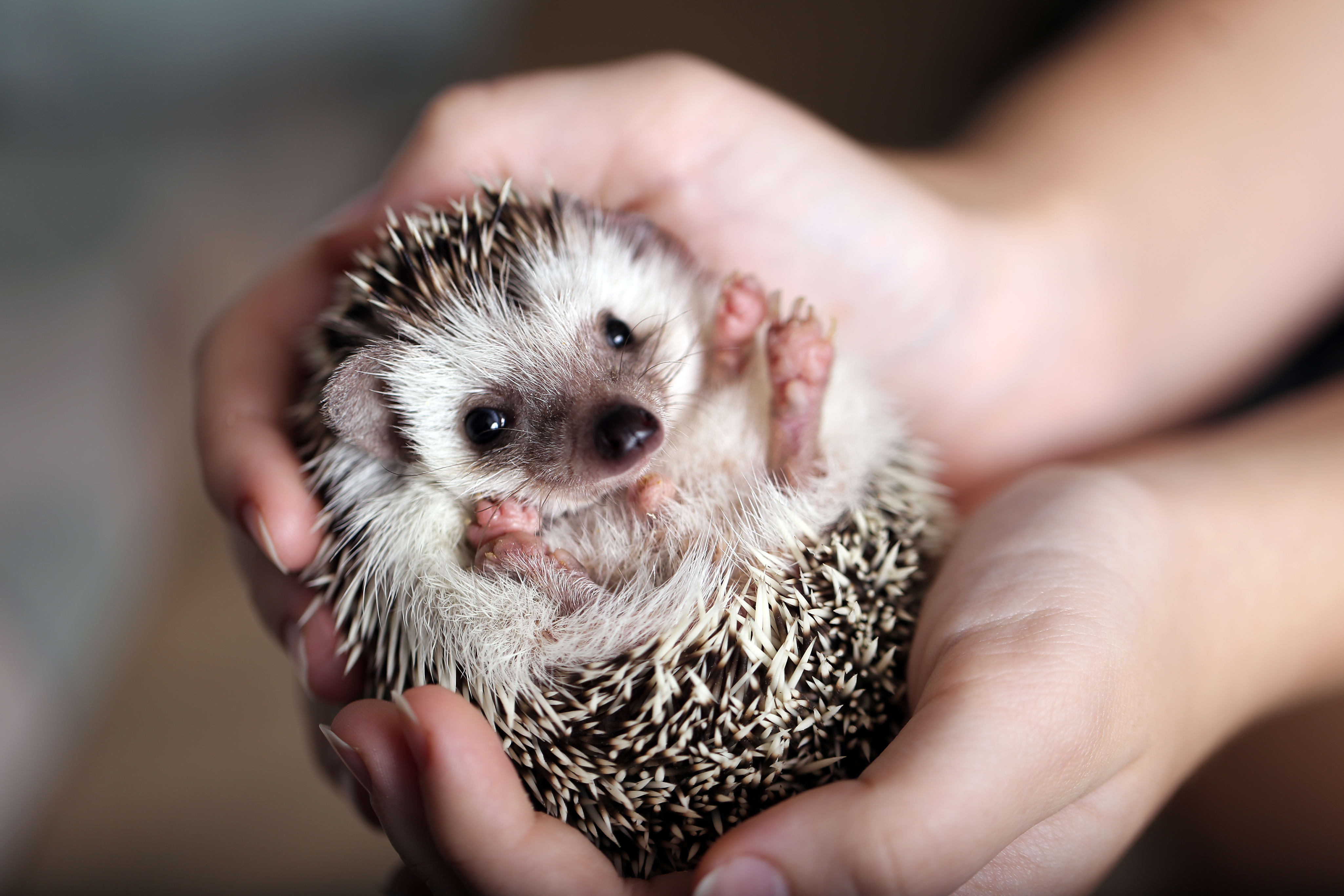
    Hedgehogs are very cute, though. Cuter than most humans.

    But the world were we live is against all kinds of human connections.

    Forming a family has become increasingly hard for young men and young women. Birth rates are collapsing in most of the world.

    Even friendships are becoming more difficult, sometimes for reasons no one can understand. It’s hard.

    Weird programs of social engineering have been created to set people increasingly apart, or to make them suspicious of each other. In no other age as in the modern world have there been so many people living alone.

    It’s not just families. All kinds of social relations are being affected. People are increasingly hesitant to engage with others.

    In Bowling Alone, written 20 years ago, Robert Putnam talked about how people were reducing their social interactions with their fellow citizens. There were less and less people joining clubs, joining the church choir, playing sports, organizing charity events.

    Now, it’s much worse. Connections are mostly virtual. Even dating has become a completely online phenomenon, and everybody hates it.

    And increasingly they want us living alone in pods, or locked inside a virtual world.

    Is it just me, or this image feels extremely creepy?

    Covid was the worst. They forced families to be apart, made nonsensical rules about social distancing, and in some countries they even forbade people to go out and socialize with friends if they didn’t have a vaccine pass.

    Now the Covid operation has been forgotten, as if it had never existed, and while the extremism of the policies has passed, the bad feeling caused by them remains.

    And they continue with other policies to separate people, maybe not as extreme, but no less insidious.

    It’s hard to live like this. But we must fight against this order that wants to destroy not just the family but any form of human relationship. They want atomized consumers, not humans. And so, even if it’s hard, we must rebel.

    We must form communities again. We must form families again. We must form churches and clubs again. Even if it has to be outside the system.

    We must learn to love one another again.

    And we must not feel anxious if things don’t always work.

    It’s going to be a slow process.

    Remember, there is a reason for everything, even if we don’t always know it.

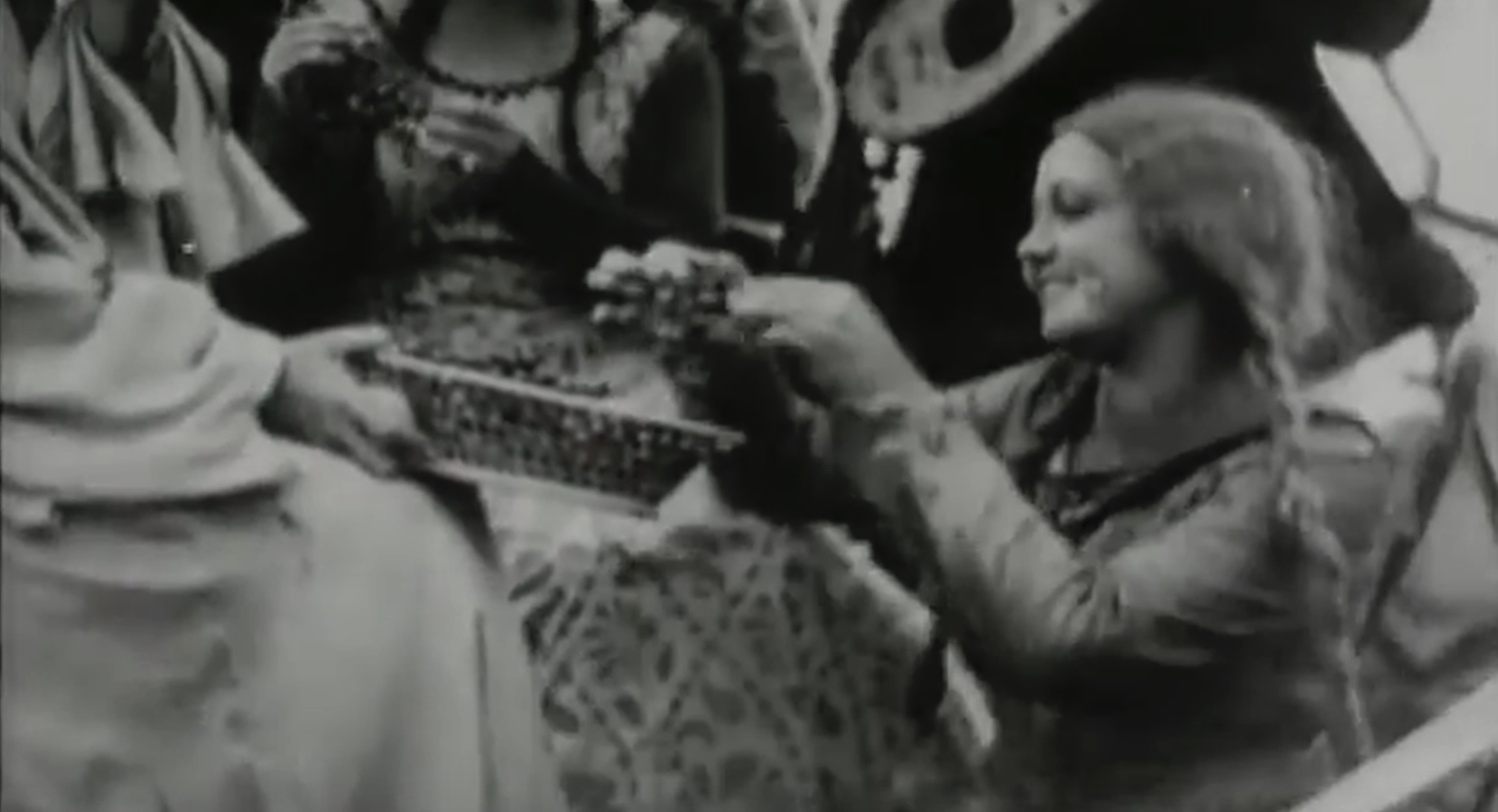
    And old-style gathering in Italy in 1935.
  • Articles

    Benefits of an analog education

    The world you were born in no longer exists. 

    When I was a child, thousands of years ago, the world was still mostly analog. 

    I listened to vinyl records and tapes. 

    I had a walkman. That was considered a great innovation back then.

    Sometimes the tape got stuck and you needed to rewind it with a pen.

    We had rotary phones at home. We used pay phones when we needed to call someone if we were outside. 

    We took pictures with film cameras that you had to take to the lab to see how they came out. We did not have social media, so we could just show the photos to family or close friends. Nobody else saw them. 

    I had the privilege of shooting short movies with a 35 mm camera, and working with film projectors.  

    I still love the sound of film rolling. 

    The first computer I had, you had to load the game by playing a tape. 

    That had an interesting sound too. 

    The second computer I had, you had green letters on a black screen, and no Windows. 

    Today, all that is gone, of course. 

    Social media, smartphones and now AI have changed things.

    But is it good?

    First of all, I would like to make one thing clear. Artificial Intelligence is a misnomer. There is no intelligence involved. Certainly no conscience or volition. I think automation is a better term. 

    In some ways, automation will make things easier. But in other ways, it will make things more complicated. 

    Of course it will also end with a lot of jobs, especially for people in the low end of the curve. 

    It’s interesting that at the same time that they develop AI, they are bringing in a lot of uneducated migrants for jobs they will no longer have.

    Or will they? Some jobs still cannot be made by automation, or it’s cheaper to hire people at very low costs. 

    One effect it will have, I think, is that most people will no longer know how to write properly. It will do for writing what calculators did for math. You need a letter or a paper for school? Let ChatGPT do it. 

    Now, I don’t think that’s a very big problem, because most people can’t write anyway. Before, students would copy from encyclopedias or from each other, now they use ChatGPT. Garbage in, garbage out. 

    I think the real problem, and you see that already, is a huge proliferation of bad-quality writing. Lots of people who, not knowing how to write, try to create an essay or even a novel using one of those automated systems.  

    Lots of things on the Internet are already texts written by bots. It’s possible that a lot of journalism will be replaced by AI, if it isn’t already. There’s not a lot of skill involved in writing news.

    The same goes for AI art. It’s proliferating everywhere. I don’t think it’s good. 

    But I think one good effect of AI art is that it also creates a backlash. It is bringing back people interested in the traditional arts. I recently started oil painting, and there are quite a lot of interesting videos right now about classic painting, and lots of people interested in them.

    One of the things I liked about the recent Beetlejuice sequel was that most of the effects were practical. Masks, puppets, even stop-motion. 

    I think a lot of people enjoyed that. 

    But back to the topic. I think that the real main problem with automation is that it will most likely lead to a new form of autocratic government. 

    Technologies such as facial recognition will be able to track you and pinpoint you everywhere. 

    With digital cash, they will be able to see everything you spend, and freeze your accounts if such is needed. 

    Other technologies will track everything you do, write or even think. 

    It’s simply inevitable. There are already cars that, while not yet fully automated, won’t allow you to go above the road’s speed limit. If you do so, it will automatically send your data and location to the nearest police station. 

    Technology does many things, some good, some bad, but in general it does not lead to greater freedom. Most people were freer when they lived in the countryside or in the middle ages.

    It’s not a coincidence that most dystopias, such as 1984 or Brave New World, involved some form of technological control.

    But things are what they are. I’m not sure you can put the technological genie back in the bottle. 

    As, for me, sometimes I think, what would have happened if technology had simply frozen to what we had in the 1980s or 1990s? Would that be so bad? Is life so much better today than it was back then? Are we happier? Are we more productive? 

    I don’t know. My own impression is that life was better in the 1990s. But it could be just nostalgia.