• Articles - Books - Featured - Russia

    “Everything is allowed”

    There’s a lot of doom in the Internet, especially among the alternative news crowd. People can’t get enough of the “end of the world/end of the West” type of thing. While I do understand that we are living in highly worrying times, with war expanding everywhere, economic downturn, birth rate collapse, mass migration, and radical technological and social changes, I try to avoid falling in the trap of looking only at the collapse, as there are occasionally good things too. Besides, it’s a bit depressive to only having to write about doom, gloom and conspiracy theories.

    Recently I’ve been doing much more reading than writing — I haven’t published a text here in months — and I decided to revisit classic novels, reading or re-reading them. I started, where else, with the Russians. I’ve recently finished Dostoevsky’s “The Brothers Karamazov” — it took me only forty years. I kid, but in fact I started reading this novel when I was 16 or 17, and never finished it. Then a few months ago, I found the book in my local library and decided to pick it up again, reading it all from the start. It took me just a couple of months. I really enjoyed it, so much so that I am reading Dostoevsky’s “The Idiot” now.

    The following is a somewhat disjointed digression about a famous sentence found in the Karamazov book — the text can also be watched in video form, perhaps it works better this way — and how it could apply to our current reality. Or not.


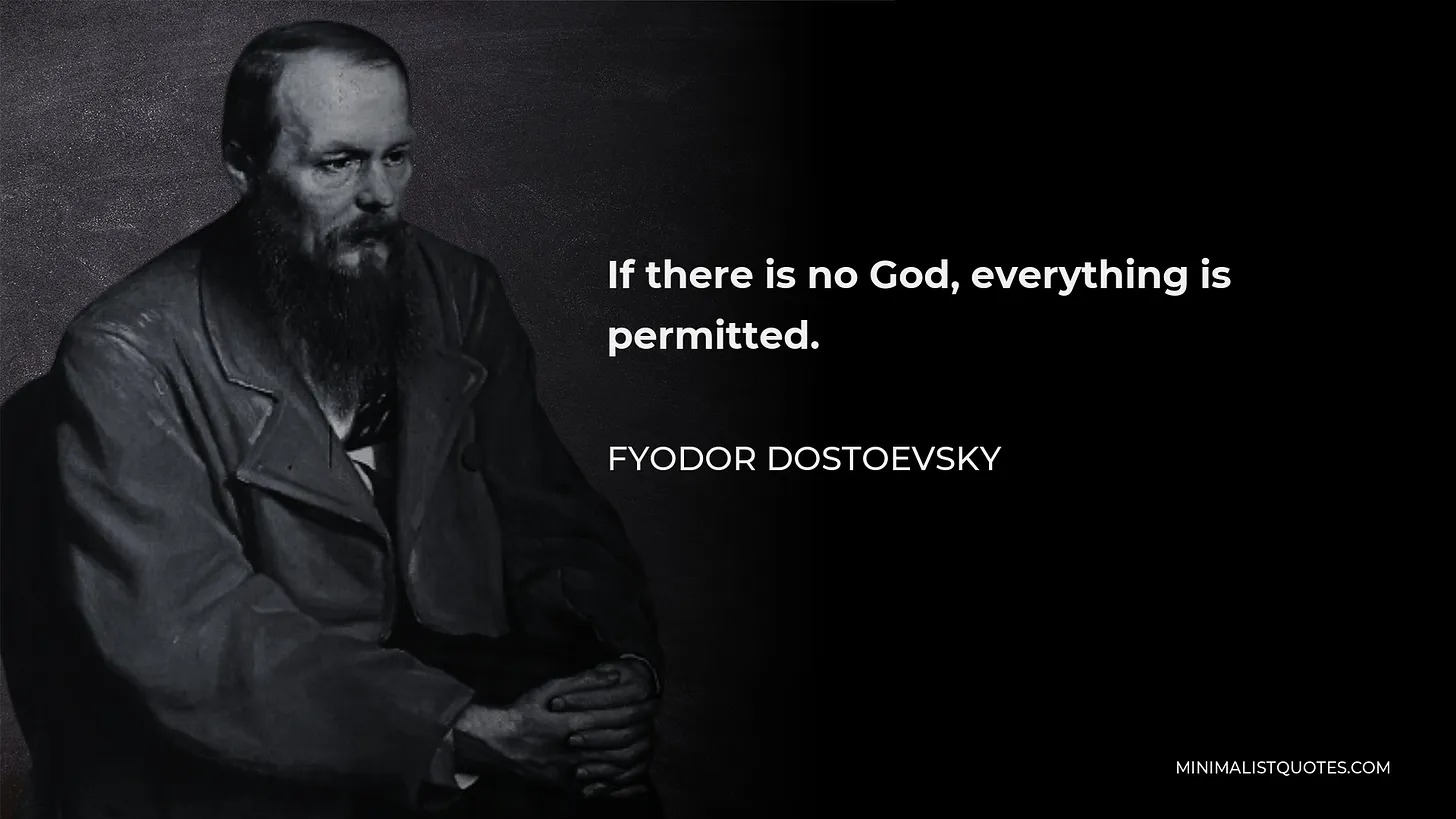
    “If there is no God, everything is allowed.”

    This sentence that became famous appears in the great novel by Fyodor Dostoevsky, “The Brothers Karamázov”, one of the greatest novels in the history of literature. A great, great book which I’ve only recently read. Without giving any spoilers, let’s just say that it is the story of three brothers with three very different personalities and destinies. Dmitri is the impulsive and reckless one, Alyosha is the moral and good-hearted one, and Ivan is the intellectual and cynical one. And Ivan is the one who says this sentence.

    But what does it mean?

    It means that without God there are no moral rules, and man can do anything he wants. Rape, incest, murder.

    “Do what thou wilt, that shall be the law”.

    There are two consequences to this. One is that moral notions of good and evil have to come from God, from above. Otherwise it just comes from one man to another group of men, and it becomes merely a question of power.

    The second part is that you should have clear, inflexible rules.”Thou shall not murder.” “Thou shall not covet thy neighbours’ wife”.  Otherwise, you have relativism. Or things like utilitarianism: “the greater good for the greater number of people”.

    But then, if you have four people and three of them don’t like the fourth one, they can kill him, because that would be “the greater good for the greater number of people”, right?

    And so we are back to “Everything is allowed.”

    This idea comes, a bit, from Nietzsche’s sentence that “God is dead”, and the growing nihilism that was already at the time very noticeable in society, not just in Russia but in Europe in general. We are talking here about the late 19th century, when science was advancing, society was changing and more traditional notions of behaviour were starting to disappear.

    The 20th century saw even greater changes, with feminism, the sexual revolution, the rise of modern democracy, and the further secularization of society, as well as incredible technological changes.

    Today, things have gone much further. We live in times of extreme moral confusion, or maybe we should even say moral inversion. Good is called bad, and bad is called good. Black is called white, and white, black. Women are called men and men are called women.

    Since we can’t even accept Nature as it is, the rules of society have become increasingly nonsensical.

    As people are increasingly stabbed in the streets by foreigners, governments worldwide react by banning knives. Or scissors. Or hammers.

    Or social media posts.

    Newspapers were always full of lies, but, with the rise of modern digital mass media and now what is called, incorrectly, “Artificial Intelligence”, which further increases the possibilities of image manipulation, we don’t even know what is real and what isn’t. Perhaps we never knew. History was always written by the winners. Not everything we were told in school and history books was true.

    Our leaders, the ones who should rule us and protect us, have become our worst enemies. There have always been tyrants, but this is probably the first time in history where there’s a whole worldwide government system that hates its population, or, at most, sees humans as replaceable cogs in a machine. Animals with no souls, to be hacked by vaccines and gene manipulation.

    Even religious leaders offer little solace. Most of them are also part of this global system that wants to destroy traditional society in the name of a new global order.

    What to do? How can we get rid of this evil global that seems to increasingly control everything and lead us into a global technological dystopia?

    In Dostoevski’s novel, there is another character, called Father Zossima, a monk who is the mentor of the young Alyosha. And he says some interesting things which may be worth repeating.

    At one point omeone asks him, “How can you prove that God exists?” And he says, well, you can’t. But if you love everyone and everything, if you spend your life actively loving your neighbours, one day, you will understand. But he warns that such love has to be active, real love.

    Because the truth, as Dostoevsky observes in the novel, is that many people love humanity in the abstract, but they don’t really love humans. They just love a certain notion that they have about humanity, or perhaps they just love the idea of being considered a “good person”.

    And so you have a lot of what we call virtue-signallers. People who like to appear as if they are noble or good and are always fighting for the right causes. But it is just status-mongering. It’s not real love. They love humanity as an abstract concept. But loving real people is hard. Most people are annoying or ungrateful. They lie, they cheat, they stink. When Jesus said that you should love your neighbour, he never said it would be easy.

    Father Zossima also asks: “what is Hell?” And he says something very interesting. He says, “I maintain that Hell is the suffering of being unable to love.” And if we think about our rulers — and I don’t mean just the politicians, but the billionaires, the bankers, the real rulers behind the façade of the state — we see a lot of people that have a lot of power and riches. They have yachts, mansions, cars, women. But despite that, many of them don’t seem happy, and in fact many seem really wretched.  “What does it profit a man to win the whole world and lose his soul?”

    They may have power, but they are unable to love their fellow human beings. And as such, they are in fact already living in hell. Because Hell is the suffering of being unable to love. If God’s love is the hidden grammar of the Universe, then Hell is being permanently away from it.

    So what is the answer to our current troubles? The same one that ever was. Reject excessive materialism and consumerism. Try to avoid mass media, or, if you can’t at least be skeptical about it. Work, love your family, love the people close to you, help your community. Try to change yourself before attempting to change the world.

    The current system is based on lies, and, as such, it can’t last long. It will end at some point, perhaps sooner than we all think. As Yeats said, “All things fall and are built again.” When the time comes, we have to be ready to build them again.
  • Books - Videos

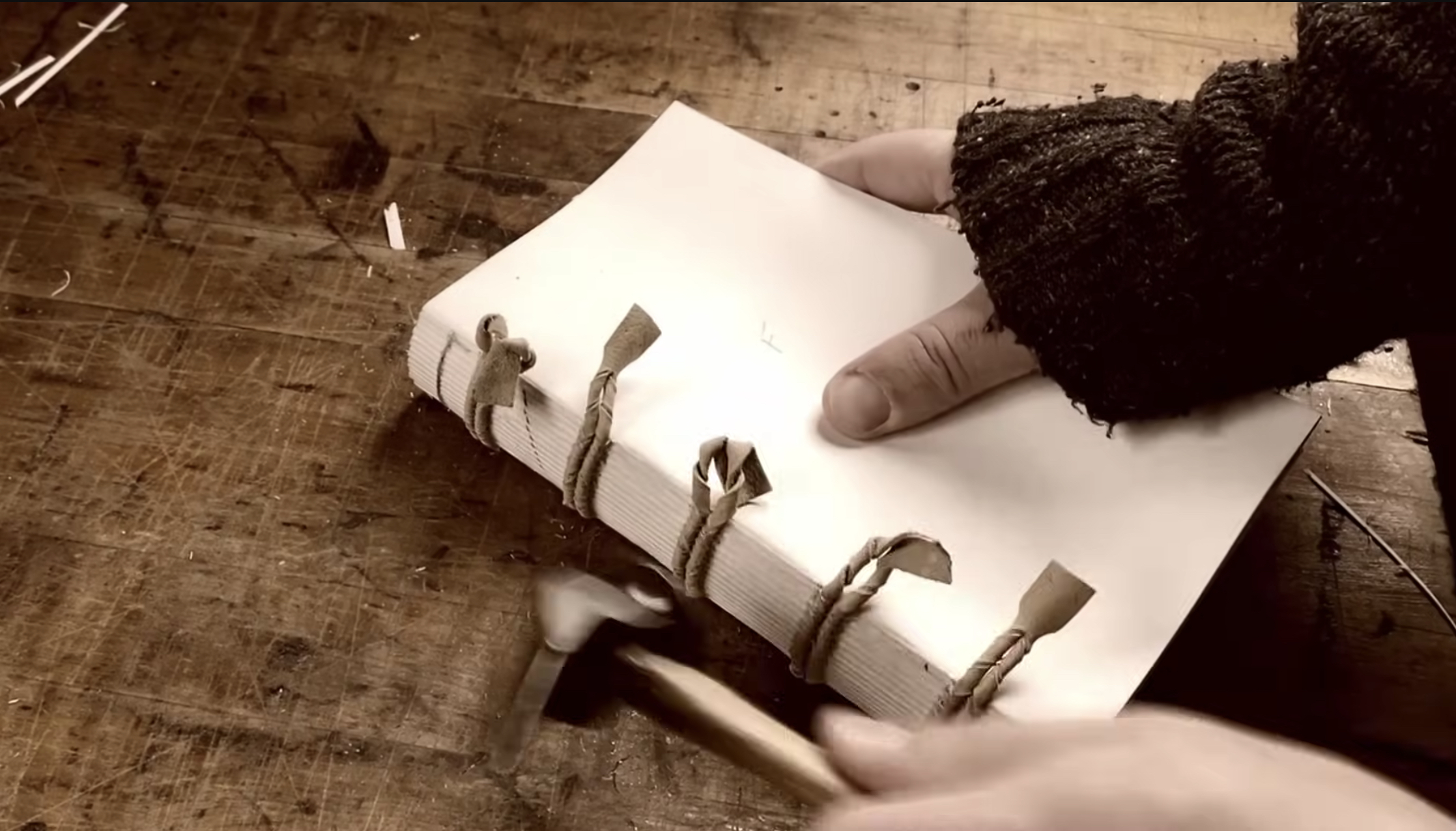
    How to make a medieval book

    If you’re into complicated hobbies, perhaps this video about “how to make a medieval book” will interest you. I thought it was nice; perhaps it might also interest the three or four readers of this website. The video has no voice-over narration, just a written commentary in the subtitles, and no music either, just the sound of the tools, which is strangely relaxing and a nice change from the usual YouTube videos. It also avoid the typical jump cuts and simply slowly fades from one shot to the next, which is adequate to the level of patience needed for this type of thing.


  • Articles - Books - Germany

    Snow

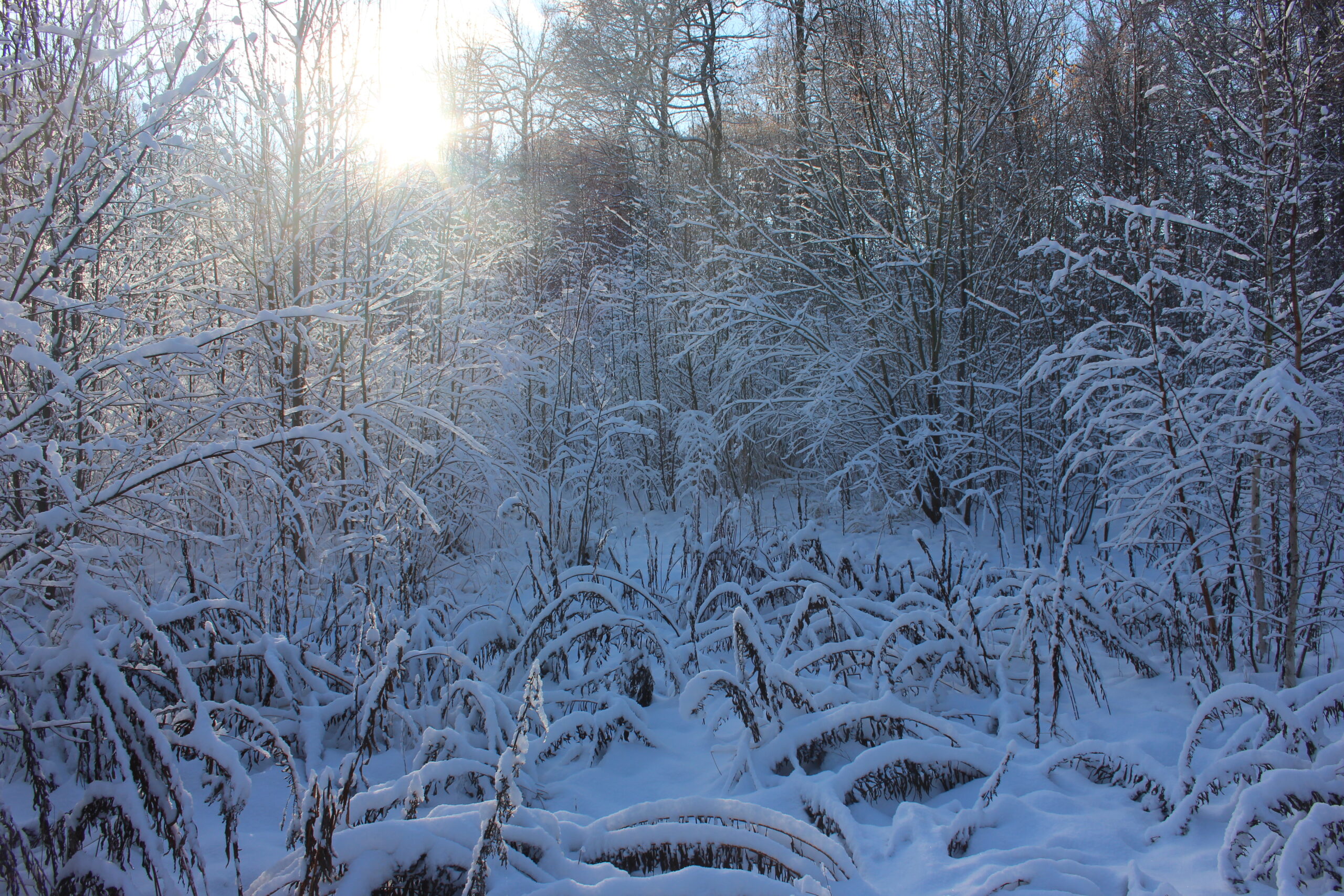
    It has snowed for the first time just a few days ago and the city is still all covered in white. There is something magical about the first snow of the year. And even if, months later, you get absolutely tired of all that white and cold and yearn for spring and flowers and warmth, this initial magic never leaves you. It feels too much like a fairy tale.

    I grew up reading lots of books. My mom says I learned to read at age four. It’s possible. I don’t remember much of the early readings. But I do remember, a bit later on, fairy tales and comic books as the usual things I read. Tintin, Asterix, Mortadelo y Filemón in the comics department, and all kinds of fairy tales. There was a particular collection I liked, divided by country or region of origin — Russian Fairy Tales, Chinese Fairy Tales, European Fairy Tales, etc.

    One of my favourite fairy tales, still today, is Hans Christian Andersen’s “The Snow Queen”. Today’s children are probably much more familiar with Disney’s “Frozen” — the animation may have a few qualities and nice songs, but it has almost nothing to do with Andersen’s tale. There is a good animated version from the Soviet Union from 1957 which is pretty faithful to the original story and is not bad at all. It has even inspired the great Japanese director Hayao Miyazaki. I showed it to children a few years ago who grew up with Youtube Kids and Tik Tok and they enjoyed it.

    There may be other good animated versions, I don’t know. But the best thing is to read the full story in Andersen’s original. It is available in different public domain versions on Gutenberg or Wikimedia Sources. Of course, you can also purchase the illustrated book here.

    “The Snow Queen” makes no direct references to Christmas, although it takes place in Winter and has some Christian allusions, including a biblical reference at the very end. But, with all that snow, it does feel like a Christmas story.

    We barely started the Advent, and I am already in a Christmas mood.

    Having grown up in South America, and then having lived for a while for different periods in warm places such as Sicily, Spain and California, I am definitely not a “winter person”. I lived in Canada for a few years, and one of the reasons I left was that I could not stand 6 months of extremely cold winter every year. Now, at least for the moment (we never know about the future) I am in Germany, which is almost as bad, but not quite — perhaps it’s five months of winter instead of six, and the temperatures do not usually get as low as in Canada, so it’s survivable. Plus, they have wonderful Christmas markets. Christmas season is really nice here.

    And I like snow, and, in particular, snow during the Christmas period. If anything, it’s the lack of light that is the most depressing aspect of winter to me, and the bright whiteness of snow helps with that. And of course, you can play with snow in a way that you cannot with rain. All children love snow. It started snowing just a few days ago and already you see children throwing snowballs at each other, building snowmen or sledding down the little hill next to the church.

    I love the Scandinavian countries and cultures, but, probably, I could not live there for a long period of time. The opposites of almost permanent night in winter and almost permanent day in summer are too much to bear. I survive better in lower latitudes. But there’s a lot to like about it, even in winter.

    As the world seems to descend more and more into chaos and hate and war and murder and panic and anxiety, it is nice to be able to just sit next to a stove watching the snow falling outside, and to put up Christmas decorations, and to hear the voice of children playing in the snow, and to feel that life sometimes — at least sometimes, and usually around Christmas — can also be like a little fairy tale.

  • Art - Books - Featured

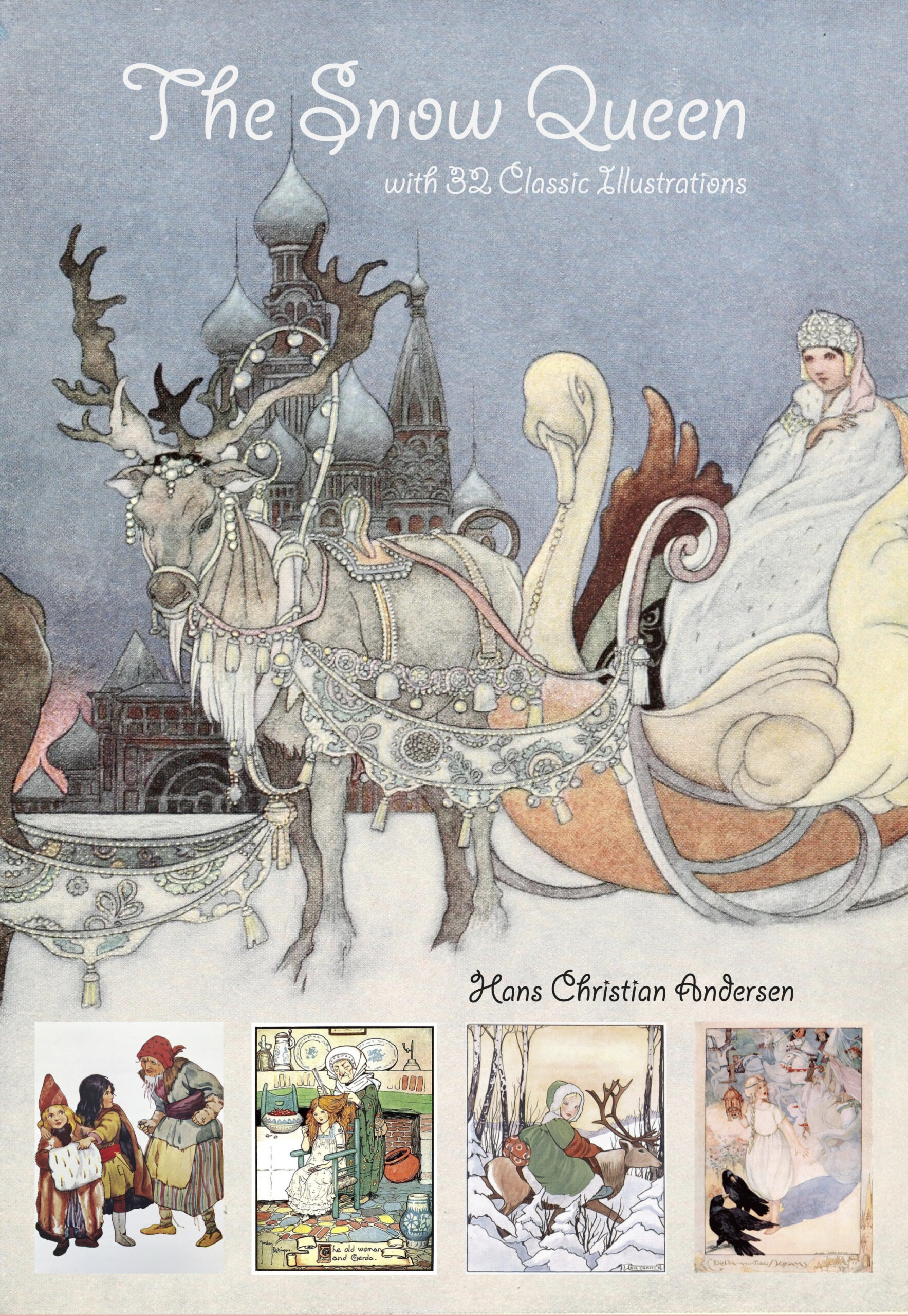
    The Snow Queen, with 32 classic illustrations

    Just in time for Christmas, we have created a new version of Hans Andersen’s Story “The Snow Queen”. Yes, you read it right, it’s not “The Drag Queen”, to keep up with modern times, it’s the original “The Snow Queen”, Andersen’s immortal beloved classic.

    You can buy it now at a cheaper price in our shop! Or at the regular price at Amazon.

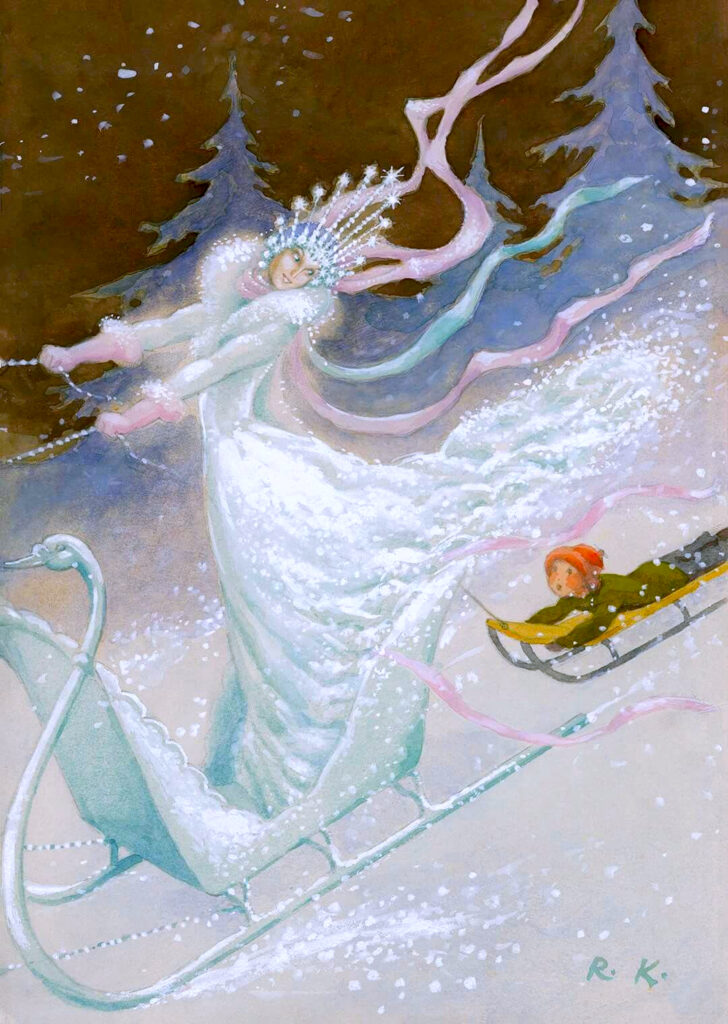
    The story is the same everyone knows and loves, but we revised and updated the English translation and, most importantly, we added 32 classic illustrations by 13 different illustrators, from Anne Anderson to Charles Robinson (there are in fact three different Robinsons illustrating here, including two who are brothers) to Edmund Dulac, Margaret Tarrant and Rudolf Koivu.

    Tarrant and Koivu are the ones who have more illustrations featured, in part to promote their work a bit more. Tarrant was an English illustrator from the early 20th century. But Rudolf Koivu was interesting to us because he was a Finnish illustrator, and while he’s relatively famous in Finland and has become the name of a prize for children’s books, he’s not so well-known abroad. So we thought it would be nice to use his illustrations in this version. Of course all the others are nice too.

    Anne Anderson, a Scottish illustrator, was interesting too: she lived in Argentina until she was a teenager, as her parents had some business there, and it appears that it was in Argentina where she became interested in illustration. She moved back to Britain as a teenager.

    I don’t know about you, but I’m a sucker for old-style illustrations, and for illustrated books in general. As Lewis Carrol’s Alice would say, “what’s the use of a book it it has no pictures in it?” Well, we wouldn’t go that far, but we do think that illustrations usually add to the enjoyment of reading. The book is available in paperback, hardcover and ebook, and is a nice Christmas gift for all.


  • Books - Featured

    Three new books

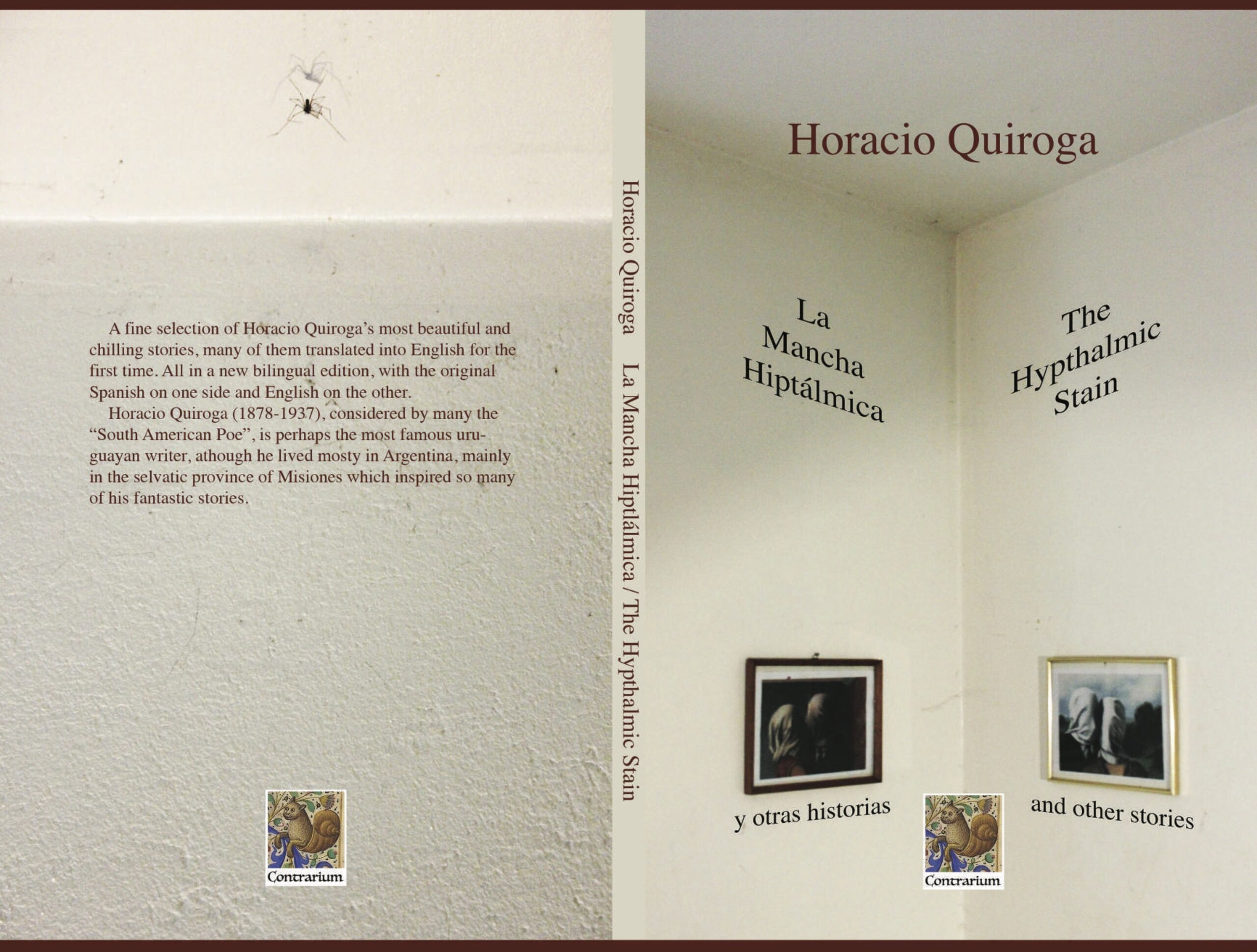
    We have published three new books by our imprint Contrarium. The first one is a bilingual Spanish-English edition of a selection of Horacio Quiroga’s short stories. Quiroga was a South American master of the short story genre. Many of the stories presented here are translated into English for the first time. Others are classics but presented here in a new, revised translation, next to the original Spanish text.

    Another book we published is Hilaire Belloc’s “The Path to Rome“, the narration of his walking journey from Toul, France, to Rome in Italy. There are other editions of this book, but this one has the original illustrations rescanned in high resolution. We also added two short biographical sketches, one by his friend G. K. Chesterton and one by Jorge Luis Borges.

    And the third book is Edward Burke’s “Bachelors’ Buttons“. Edward Burke is actually Winifred Boggs, an authoress of funny romantic comedies which were a success at the time. This book was originally published in 1914 and was out of print.

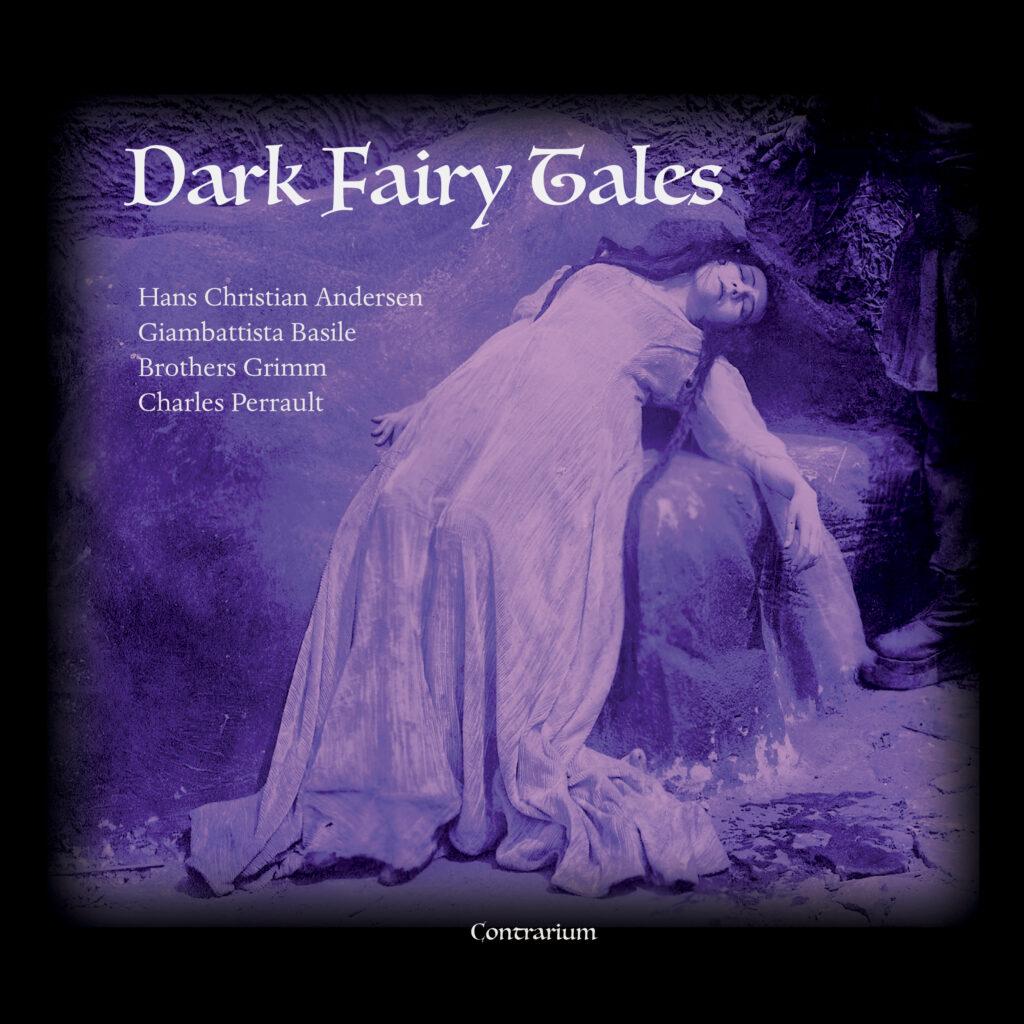
    We also have an illustrated anthology of stories for children on the way, but it may take a little bit more time to finish that one. In the meantime, you can check our Dark Fairy Tales collection.


  • Books - Fiction

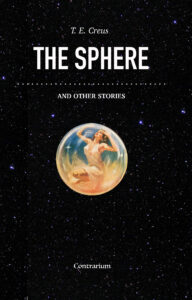
    “The Sphere”: Short Stories

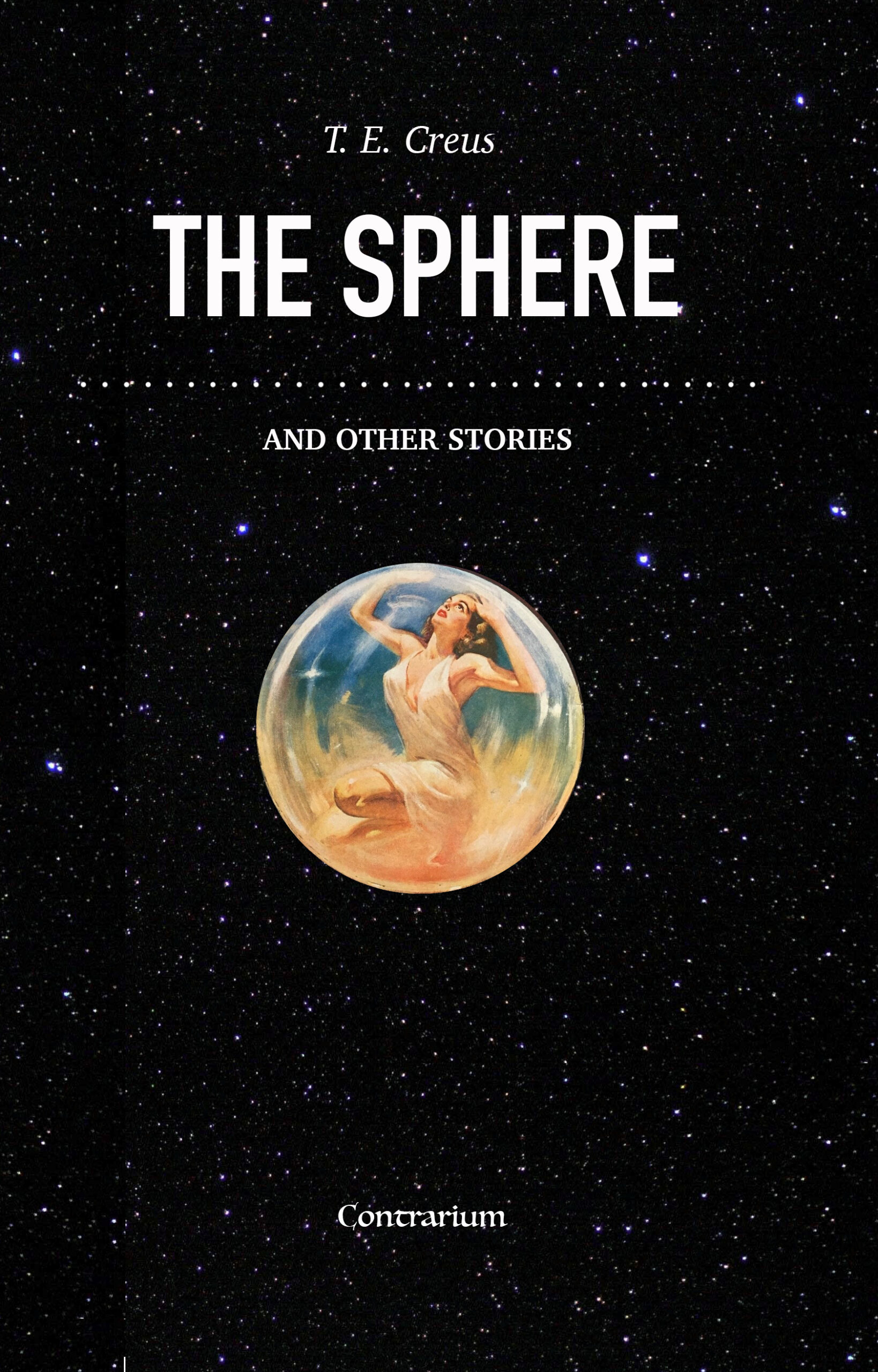
    A new book of original short stories is now available. All the stories (except two) were written during the recent “pandemic” that started on February 2020 and is still going on. A few of the stories are thematically related to current events, but others are not. Some are science fiction, some are humorous, some are a bit dark. Still, they all seem to match together somehow. The book can be purchased on Amazon in both print or ebook format, or at our own little shop.

  • Books

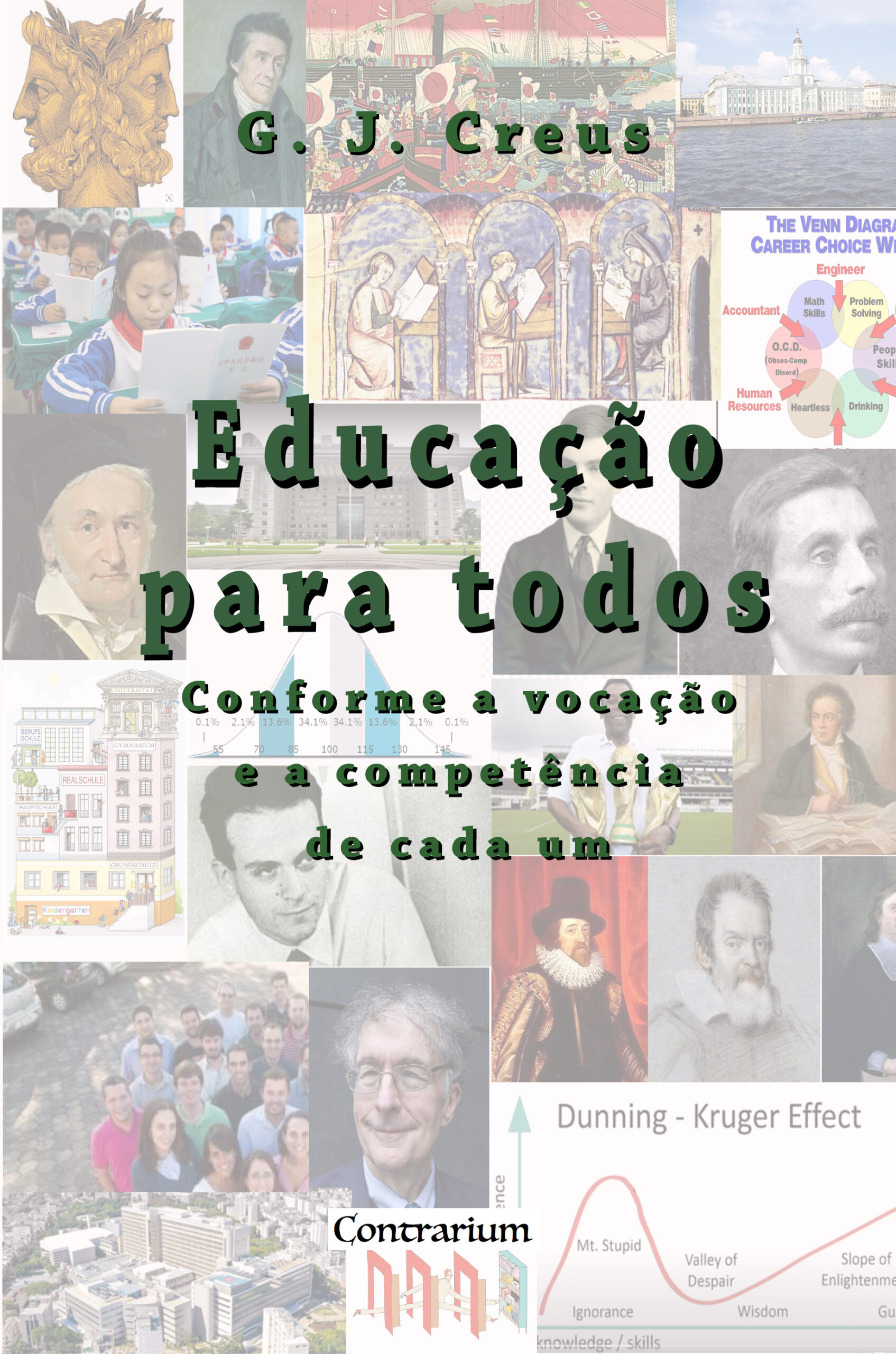
    Educação para todos

    “Educação para todos” (Education for all) is the first book in Portuguese published by Contrarium. Focusing on education in Brazil, the book discusses success stories from Germany, China and the United States in both schools and universities, and how they can be applied to Brazil. It also discusses several important themes such as IQ, research and publishing.

    The author, G. J. Creus, studied at Yale and has been an Engineering professor ad UFRGS and ILEA for more than 40 years. The book is a very valuable contribution to an important theme. It can be purchased on Amazon for a very cheap price of 0.92 USD for the Kindle version, or 4.99 USD for the print version.

  • Books - Fiction

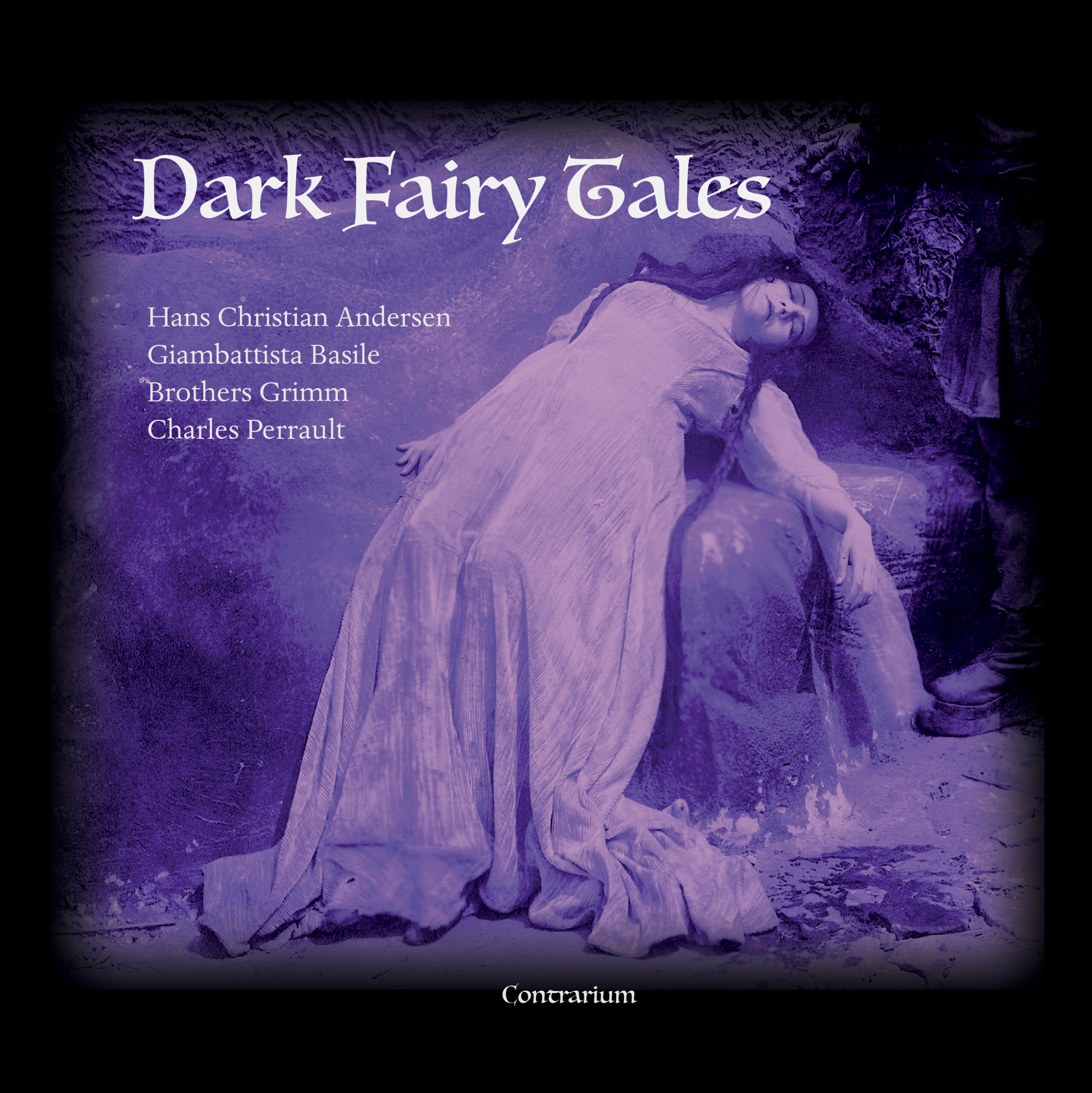
    “Dark Fairy Tales”: a new release

    The last book release by Contrarium is “Dark Fairy Tales”, a wonderful collection of lesser-known fairy tales. We chose stories that were a bit darker in tone, but not all are tragic and some are humorous too.

    The volume includes three melancholy and not so well-known stories by Hans Christian Andersen, two darkly humorous stories by the Grimm Brothers whcih you may or may not have heard about, a fairy tale from Giambattista Basile’s wonderful and unfortunately not so well-known collection called “Pentamerone”, and a story by Charles Perrault that you’ve probably read before, although perhaps not in the original version. This last story is the only one that is probably more famous, but it was unavoidable to include it in a collection of “dark fairy tales”. Although, of course, many other tales could have been included.

    For the illustrations we used colourized stills of German expressionist movies. It might seem an unusual combination, but the images surprisingly match the tone of the stories. This full colour, 64 page book is a real treat for both adults and children.

    I personally always loved fairy tales, and even as an adult I still love to read them. I particularly like Andersen (The Snow Queen is one of my favourites), but Basile was a great recent discovery. Even though Perrault is considered the “grandfather of fairy tales”, Basile came before with his collection of folk tales published in 1634. Perhaps because it was written in Neapolitan it didn’t get so much attention; even today not so many people know about him. A recent movie by Mateo Garrone, “Tale of Tales” (2015) is based on his works, so perhaps this will help to popularize it.

    The book can be purchased in both digital or print form at Amazon, or at our site shop.

  • Book Reviews - Books

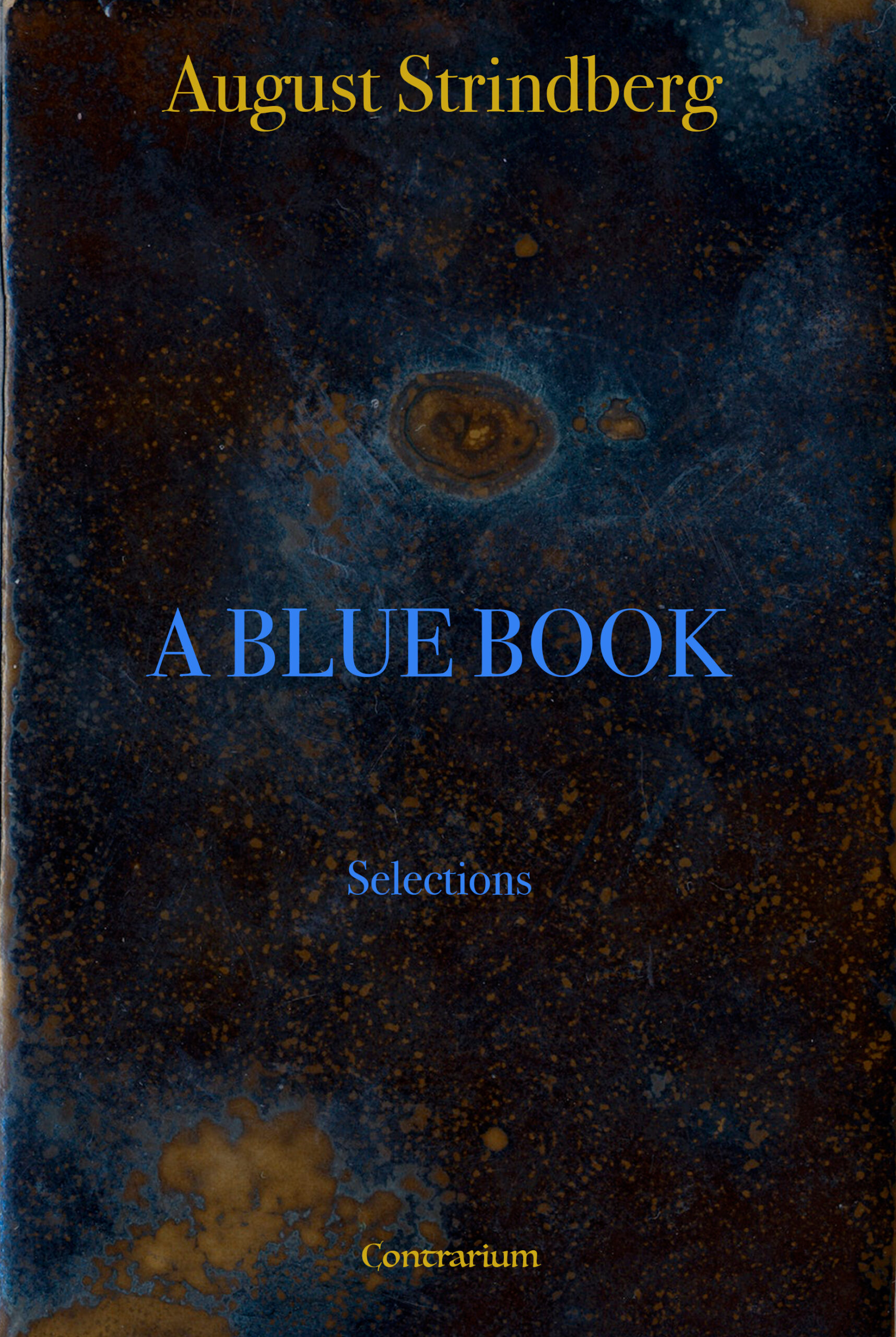
    Strindberg’s “A Blue Book”

    I read this initially about a year ago, and thought it was quite interesting. A bit earlier I had read several of Strindberg’s plays, and also his novel-memoir “The Inferno”, so I was naturally interested in it. Now, I should say that what I read originally was called “Zones of the Spirit”, which was an excerpt of “A Blue Book” published in English in 1913; then I found out that the original work is much larger. And so, since then, I thought that I wanted to publish a larger selection of its contents.

    August Strindberg’s “A Blue Book” was written between 1906 and 1912, the final period of his life, when he was influenced by his readings of the mystic Immanuel Swedenborg. During this same period he also wrote some of his best plays, including “The Ghost Sonata” .

    “A Blue Book” was published in Sweden in four volumes. What we are publishing with Contrarium is a selection of volumes I and II with many texts never published in English before.

    It is difficult to summarize “A Blue Book”. Many texts in the Vol. I take the form of a dialogue between a pupil and a teacher. Some interpret the pupil, sometimes also called Johann Damascenus, as being Strindberg himself, and the teacher as a proxy for Immanuel Swedenborg, the Swedish visionary who influenced Strindberg in his later years. However, since both pupil and teacher eventually make references to Strindberg’s own life, perhaps it would be more correct to understand the discussion between the pupil and the teacher as a discussion between the younger and the older Strindberg – or, at least, that’s another possible interpretation. The texts in the second volume abandon the “teacher and pupil” motif and simply consist of digressions by Strindberg himself, but basically in the same style as before, discussing themes such as love, human psychology, religion and mortality.

    It is a fascinating work, which can give further insights about many of Strindberg’s later plays, as well as about “The Inferno” (1894), the narration of his previous spiritual crisis. While “The Inferno” is interesting in its own right, we believe that this book, which is in a way the solution to the preceding crisis, shows a much more serene Strindberg, a man coming to terms with life, Christianity and his own past, and offers many illuminating thoughts that can be interesting not only to scholars or those interested in the Swedish writer’s work, but to all general readers interested in religion, philosophy and human behaviour. August Strindberg (1849 – 1912) was one of the best playwrights of the modern era, author of “Miss Julie”, “To Damascus”, “The Dream Play” and many others.

    Few know that Strindberg was also an excellent painter and photographer. We included here some of Strindberg’s own paintings and photographs, including his experimental “celestographs” on the cover, and also a few drawings or prints by the Norwegian painter Edvard Munch, who was a friend of the author.