• Germany - Travel

    Snapshots from life in modern Germany

    I haven’t written so much about Germany, even though I have been living here for the past three years, for several reasons. The main one is that I never expected this country to be my permanent home, but just a place in which I accidentally and temporarily ended up for a while before moving to other pastures. But now after three years, I’m starting to question whether I will ever leave…

    Germany is changing. Once known as the land of efficiency, now it has been plagued by several economic and social problems. The economy is in recession, and inflation has been steadily growing. The energy crisis that started with the sanctions against Russian gas is ongoing, and damaged Germany more than Russia.

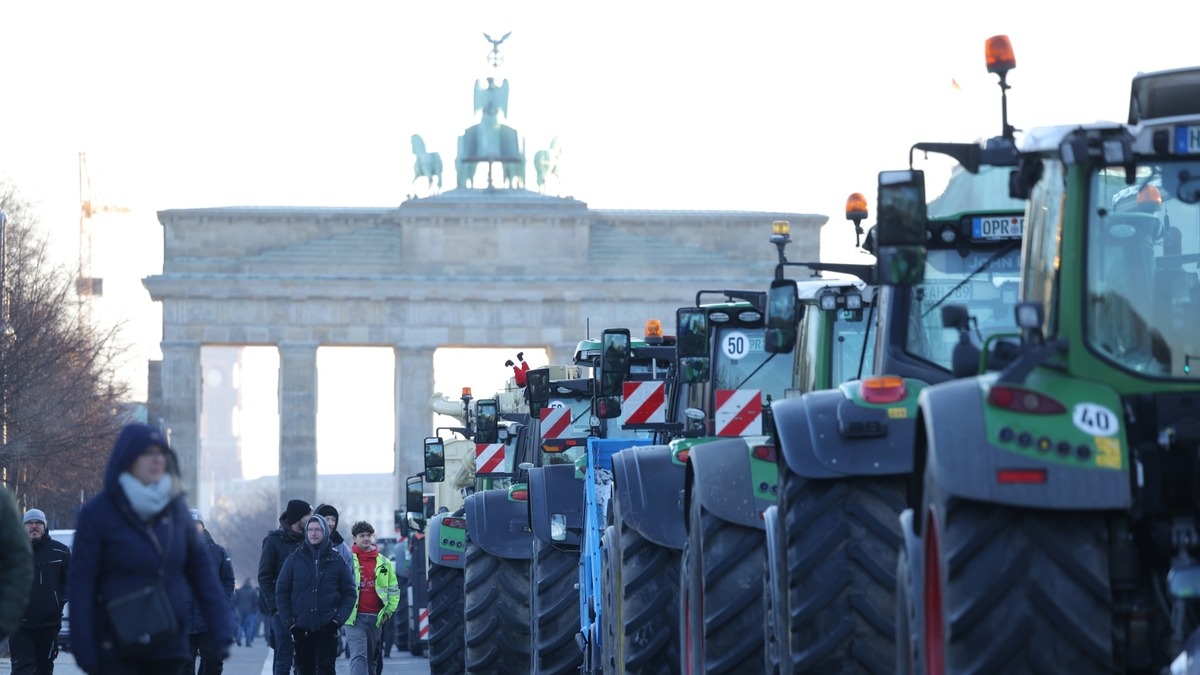
    Farmers have been protesting, as they have in other European countries, against proposed changes in legislation that single them out as “un-green” and cut their subsidies for fuel, among other things.

    Deutsche Bahn, its national rail service, has been having more and more train delays due to construction or strikes. Believe it or not, I experienced less train delays in a recent trip to Italy than in my recent weeks in Germany (but, to be fair, that was a period of heavy strikes).

    Population changes

    German population is changing, too. Migration levels remain high, while the fertility rate has stationed at around 1.46 per woman. For a few years, Germany held the title of the European country with the lowest fertility rate, but now in 2024 that distinction is going to Spain, with 1.19. The caliente Spanish are having less babies (and, presumably, less sex, or perhaps just more abortions) than the kalt Germans.

    (Parenthesis: part of the reason could be that Spain went from übercatholic to überfeminist in basically just one generation. It is interesting that the countries that experienced the most drastic reduction in birth rates where former Catholic ones: Ireland, Italy, France and Canada’s Quebec.)

    Demographic changes bring cultural changes.

    Advenstkalender are traditional German calendars containing chocolates or gifts inside that are marketed to children (and, sometimes, adults) in the period of Advent ending in Christmas. But, some time ago, in a supermarket, I noticed a curious thing: an “Adventskalender” for Ramadan! I doubt this is traditional in Muslim countries. It’s probably Germany trying to square the high number of immigrants with its own traditions.

    However, despite the large number of Arabs and Turks, the most recent migrants are all Ukrainian. In some neighbourhoods, you hear more Russian than German in the streets. And yes, it’s Russian, not Ukrainian — until very recently, most Ukrainians spoke only Russian, although that is probably changing now. Germany took in over a million Ukrainian refugees, perhaps even two or three million. They will probably never return to the Ukraine. Germany is going to become more slavic. (There was already a relatively high number of Poles).

    A world without people

    Preparing us for a world without people, or at least much fewer people, automation is more and more present in Germany. I think I already mentioned that many supermarkets and shops are moving to automatic checkout, and also that many commerces including bars are starting to refuse cash — you can only pay with your credit card, phone or similar digital appliance — and soon, I suppose, also with a microchip inserted under your skin or in your brain.

    But a recent episode in a visit to Nuremberg illustrates de dangers of living in a world where everything is automatic and you have to deal with machines instead of humans.

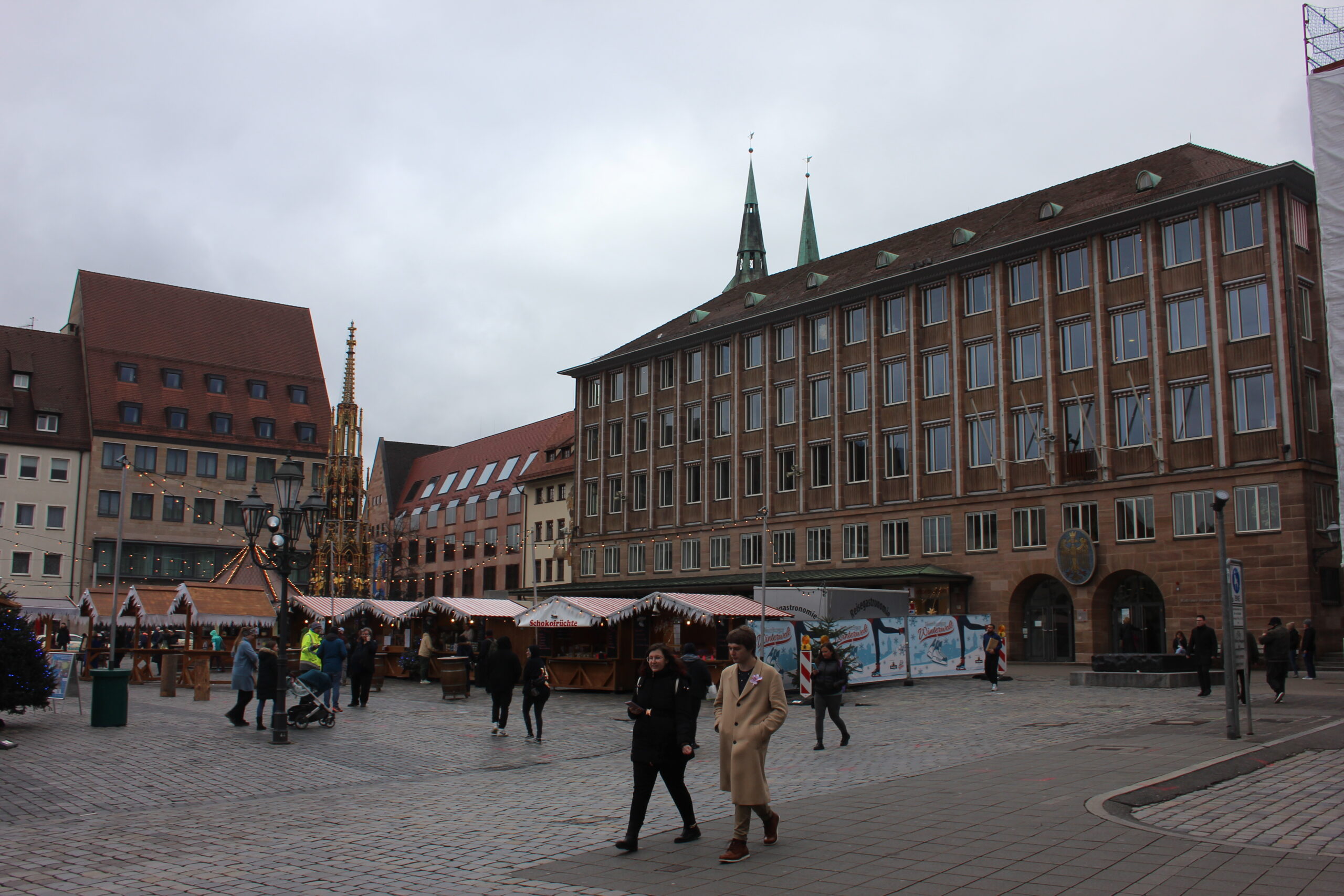
    Now, first of all I must say that Nuremberg is a very charming city. Not too big and not too small, plus it also has at least two wonderful medieval churches. Saint Sebald in particular is very interesting. A volunteer working as guide at the church, a retired architect, explained to us that Nuremberg was a very important town in medieval times and the stopping point for many pilgrims going south. (Too bad both churches have become protestant since the Reform). Also, the Albrecht Dürer house and museum is worth a visit, as Dürer is the most famous artist from Nuremberg.

    But anyway, what happened was that I made a reservation online for a night at a hotel. The hotel, called “Hotel Continental”, promised old-world charm, elegant rooms and a convenient central location. Only that, except for the central location, it all was a lie.

    The hotel didn’t have a reception. You had to type in a code in the door outside, then, once inside, there was another machine where you typed in your reservation code. Once verified, this printed out a new code that you could use to open the door of your room.

    We had reserved and paid for two rooms — I was in Nuremberg with a friend — but the machine, for some reason, only printed out one door code. As I said, there was no reception and, at a phone number listed “for emergencies”, no one answered. My friend was able to get into her room — no old-world charm, but a small single bed, dirty carpets and no other furniture but a small bedside table. The bathroom was located outside, in the corridor. Not that great.

    As the original reservation was no longer recognized by the system, in the end I had to purchase a new room from the machine. So far, so good? Wrong. As I went to the door of my newly purchased room, the code didn’t work! No matter how many times I tried, the door would not open. I checked and double-checked, tried it in different ways (and even in different doors) but there was no way to get in. Later, reading reviews of the hotel, I found out it was a not uncommon problem, and some guests had to sleep in the corridor.

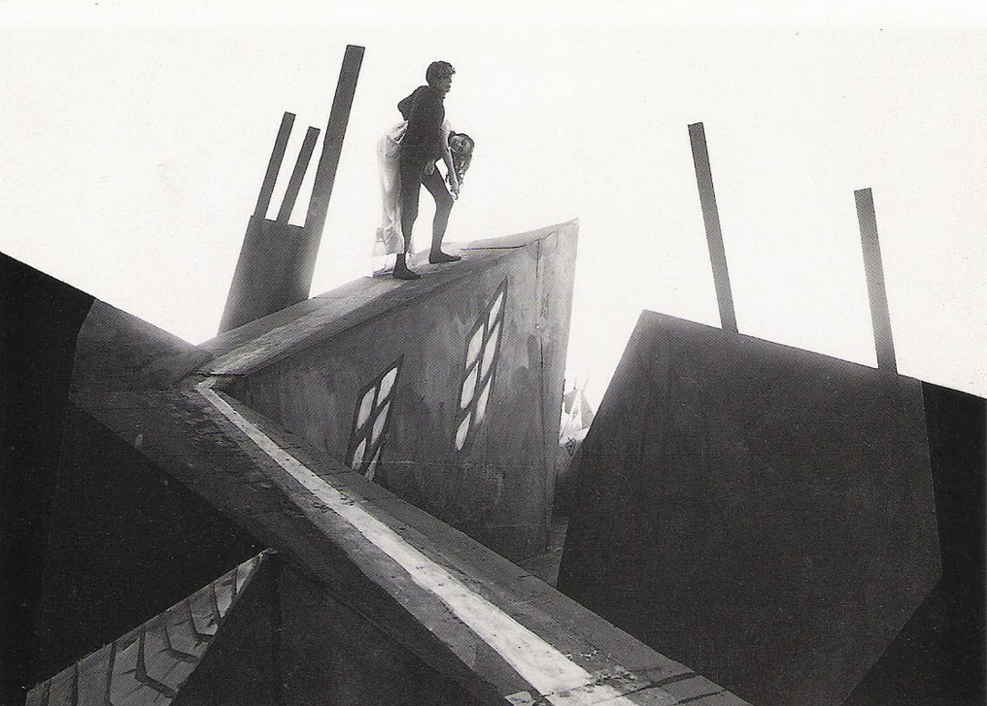
    Since there was no one to call and by that time it was too late to find another hotel, I ended up just walking along the empty corridors and up and down the stairs for hours, like a ghost in the “Shining” movie, in search of a living soul. I didn’t see anyone, employee or guest.

    The hotel had four floors and what was interesting was that each floor was different — the lower, and, I suppose, cheaper one, had corridors wish stained carpets, ugly paintings on the walls, some room doors missing their numbers, and just a single small armchair on each end. But as you went up, the decoration improved.

    The second floor already looked a bit better: only one door had a missing number and the carpets seemed less dirty. The third floor had an even cleaner carpet and more comfortable-looking armchairs, and the fourth and last floor had much more elegant colours, wider doors with no missing numbers and not just armchairs on each end of the corridor but even a vase with flowers sitting on an elegant table. I assume it was not just the corridors, but the quality (and the price) of the rooms also increased as you went up.

    It reminded me of a short story by Dino Buzatti called “Seven Floors”, about a hospital with a similar configuration.

    Eventually I found an unlocked deposit room downstairs where they had a small foldable bed, and there’s where I ended up sleeping. And undisturbed, too, for eight straight hours. I suppose someone must clean the hotel at some point, but, even during the next morning, I didn’t see a single employee at that ghostly and ghastly hotel — not at the reception, not cleaning the rooms, not guarding the doors. Later I tried to call asking for a refund, but no one answered. No one answered the dozens of emails I sent either.

    If you ever visit Nürnberg, don’t stay at the “Hotel Continental”.

    A call from above

    German children can be enchanting and friendly (older German people, a bit less).

    Just a few days ago, I was walking down the street when I heard the voice of a little girl calling from above. “Hallo, hallo!” She was standing in an elevated courtyard at the school next to the church, looking down. She and other children were playing in the recess from school. I thought they would ask me about a ball or something else that had fallen down, but no. She said, “Hallo, wie heißt du?” (What’s your name). I answered, “Thomas”. “Schöne name”, (nice name) she said. The boy next to her mentioned “Thomas Müller”, a football player. Then she waved goodbye and so did I.

    And that would be it, but a little later I was returning and crossed the corner of the same street, and I wondered if the girl was still there and if she would still see me from so far away. And indeed I heard her calling, and I turned and saw her waving. “Hallo, Thomas!” she called.

    What was that? A vision? An angel? Or a real child?

    Somehow it reminded me of the end of Fellini’s “La Dolce Vita”, where Marcelo Mastroianni is on the beach and the young girl representing innocence waves at him, but he can’t hear what she says, and eventually turns away, in shame.

    Or perhaps I’ve been too long in Germany and I’m just seeing things.
  • Germany

    Farmers vs Davos: the final battle?

    There are still ongoing protests by farmers in Germany. Just two days ago there was a big crowd protesting in Berlin. While they caused some traffic interruption, and for three days the railway workers also joined the strike, causing even more confusion, most people seem to support the farmers.

    Apparently the workers of big companies such as Amazon, who complain about bad working conditions in the German warehouses, joined in too.

    Some protesters were beaten by the police. Anger is growing. Some even say that a few politicians might resign. Others say it’s getting close to a revolution.

    But you wouldn’t know any of it from the media.

    Even Deutsche Welle, which is the main news media site about Germany in English, had nothing about it on its main screen for days, even as the crowds took over Berlin. (Tageschau and other German-language sites were a bit better)

    Other mainstream media sites, such as as CNN and the BBC, did post about the protests, but associating them with some kind of “dangerous far-right movement”. Which is, of course, mostly nonsense. While some parties such as the AfD want to take political advantage of it, this seems to be mostly a grassroots movement. And it is interesting that it is taking place just as Davos starts.

    What are the farmers protesting?

    The Scholz government is instituting several austerity measures which include cutting subsidies for farmers, most importantly, a subside that they receive for buying diesel for their tractors and other machines.

    The economy in Germany is not doing very well lately. I guess you can understand why. Germany, once the major European powerhouse, has been shooting itself in the foot for years.

    Let’s see — first there was the first large migrant wave in 2016, with the government spending billions to “welcome refugees”.

    Then there were the Covid lockdowns, which were extremely harsh in the country and led to the closure of many small businesses.

    Then the whole “climate change” activism, which is very strong in Germany and made the government close nuclear plants and even coal plants.

    And then, of course, the Russia-Ukraine war, which led to sanctions against Russia, which, however, mostly harmed Germany as its economy depended a lot on Russian gas.

    And yet… Germany is still sending a lot of money and weapons to the Ukraine. They have no idea where the money or the weapons are going, but they are sending it.

    They are even sending a ship to Yemen. And some more weapons to Israel too, just in case.

    And they are still spending a lot of money hosting their millions of refugees — now not just Syrian or Afghani, but Ukrainian too.

    But who pays the price for all that reckless spending?

    Well, you, the taxpayer, of course. Who else?

    If the farmers lose their subsidies, they will just try to pass the extra cost to the consumers. Food will become more expensive. In fact, it already is.

    Of course, all that is “according to plan”. After all, it’s not just Germany. The Netherlands, France, and even Canada and the U.S., have been in the same bandwagon of passing several laws that are not so great for farmers, and protests have happened or are happening in some of those countries too.

    See, if the food gets more expensive, or even if there’s no more food, more people will get poor, and as they get poorer, they will get even more indebted. Eventually, they will lose their land or their house.

    And then a few rich people can buy it all. Same old, same old.

    The rich get richer and the poor get poorer.

    The orders might have come directly from Davos.

    And, in fact, just next door in Switzerland, as farmers and workers protest, several rich people and world leaders are partying and boozing, at the same time that they give speeches about austerity and about the importance of sending even more weapons to the Ukraine, just as they buy all they can buy there, on the cheap. Blackrock owns the country by now. But it’s not enough. They want France, Germany, Italy, Spain too.

    The friendly folks at Davos — always so concerned with our health — are also starting again with the scare-mongering about a new pandemic: something they call, for now “Disease X”. (Hmm. Is that a plug in for Musk’s new name for Twitter?)

    As long as they can, they will keep on saying:

    “You will get poor.

    You will own nothing.

    You will stay in your room.

    You will pay for war.

    You will have no food.

    You will eat the bugs.

    And you will be happy.”

  • Articles - Books - Germany

    Snow

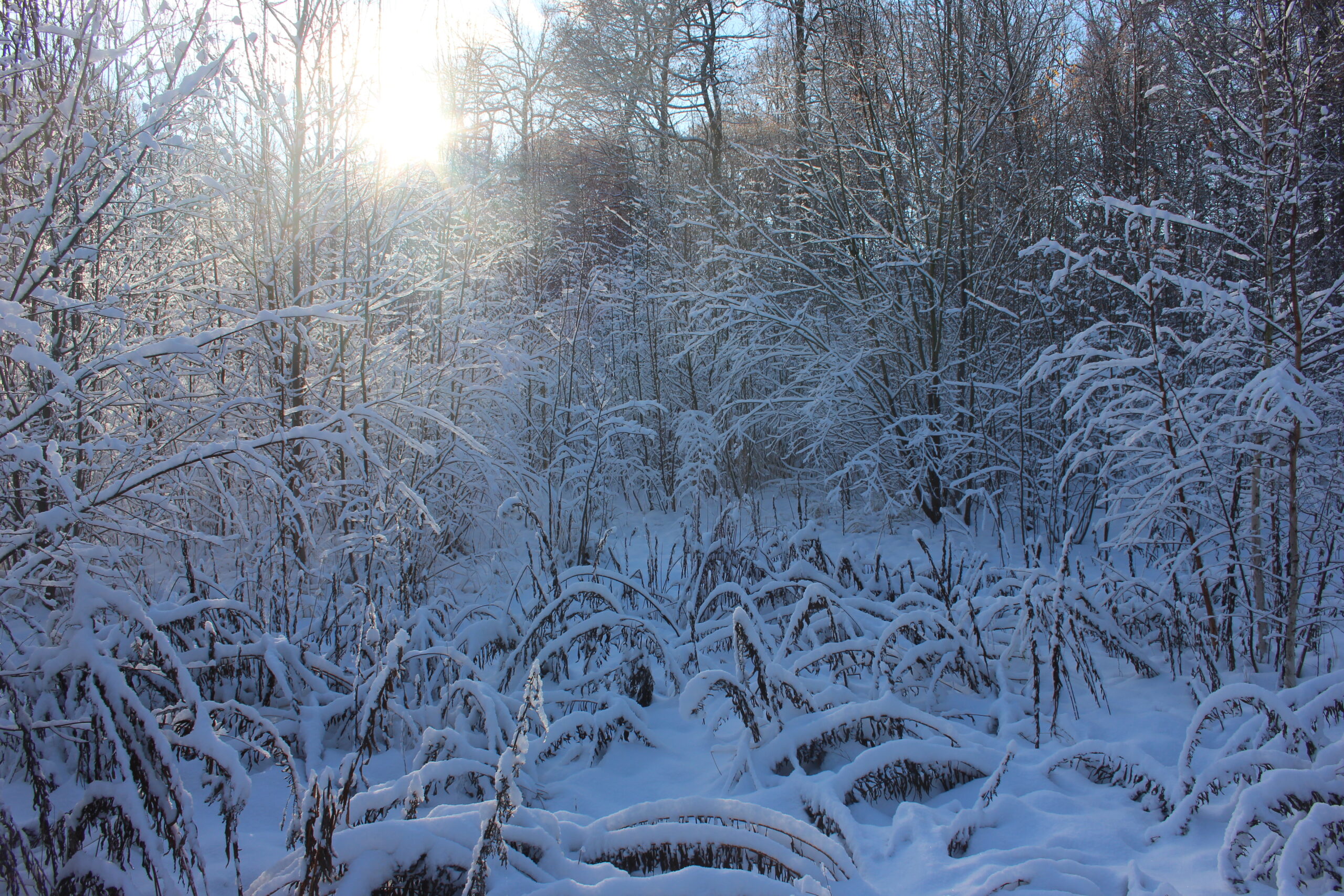
    It has snowed for the first time just a few days ago and the city is still all covered in white. There is something magical about the first snow of the year. And even if, months later, you get absolutely tired of all that white and cold and yearn for spring and flowers and warmth, this initial magic never leaves you. It feels too much like a fairy tale.

    I grew up reading lots of books. My mom says I learned to read at age four. It’s possible. I don’t remember much of the early readings. But I do remember, a bit later on, fairy tales and comic books as the usual things I read. Tintin, Asterix, Mortadelo y Filemón in the comics department, and all kinds of fairy tales. There was a particular collection I liked, divided by country or region of origin — Russian Fairy Tales, Chinese Fairy Tales, European Fairy Tales, etc.

    One of my favourite fairy tales, still today, is Hans Christian Andersen’s “The Snow Queen”. Today’s children are probably much more familiar with Disney’s “Frozen” — the animation may have a few qualities and nice songs, but it has almost nothing to do with Andersen’s tale. There is a good animated version from the Soviet Union from 1957 which is pretty faithful to the original story and is not bad at all. It has even inspired the great Japanese director Hayao Miyazaki. I showed it to children a few years ago who grew up with Youtube Kids and Tik Tok and they enjoyed it.

    There may be other good animated versions, I don’t know. But the best thing is to read the full story in Andersen’s original. It is available in different public domain versions on Gutenberg or Wikimedia Sources. Of course, you can also purchase the illustrated book here.

    “The Snow Queen” makes no direct references to Christmas, although it takes place in Winter and has some Christian allusions, including a biblical reference at the very end. But, with all that snow, it does feel like a Christmas story.

    We barely started the Advent, and I am already in a Christmas mood.

    Having grown up in South America, and then having lived for a while for different periods in warm places such as Sicily, Spain and California, I am definitely not a “winter person”. I lived in Canada for a few years, and one of the reasons I left was that I could not stand 6 months of extremely cold winter every year. Now, at least for the moment (we never know about the future) I am in Germany, which is almost as bad, but not quite — perhaps it’s five months of winter instead of six, and the temperatures do not usually get as low as in Canada, so it’s survivable. Plus, they have wonderful Christmas markets. Christmas season is really nice here.

    And I like snow, and, in particular, snow during the Christmas period. If anything, it’s the lack of light that is the most depressing aspect of winter to me, and the bright whiteness of snow helps with that. And of course, you can play with snow in a way that you cannot with rain. All children love snow. It started snowing just a few days ago and already you see children throwing snowballs at each other, building snowmen or sledding down the little hill next to the church.

    I love the Scandinavian countries and cultures, but, probably, I could not live there for a long period of time. The opposites of almost permanent night in winter and almost permanent day in summer are too much to bear. I survive better in lower latitudes. But there’s a lot to like about it, even in winter.

    As the world seems to descend more and more into chaos and hate and war and murder and panic and anxiety, it is nice to be able to just sit next to a stove watching the snow falling outside, and to put up Christmas decorations, and to hear the voice of children playing in the snow, and to feel that life sometimes — at least sometimes, and usually around Christmas — can also be like a little fairy tale.

  • Articles - Germany

    A postcard of modern Germany

    Pablo is dead. Who is Pablo, you may ask? I had no idea either, but the main street downtown suddenly appeared full of flowers and written notes and candles and teddy bears. “R.I.P. Pablo”, said a graffiti in the shape of a heart. I started to think he was a victim of terrorism.

    Turns out, he was a migrant from Gambia who sold marijuana. Perhaps for that reason, he was very popular among the young people who roamed downtown at night. It seems a couple of Algerians tried to rob him of his well-earned money. He ran away, and as he crossed the street, he was killed by an oncoming garbage truck. He was just 20 years old. He had been in Germany for just 2 years.

    (I’m a a bit jealous of Pablo. I doubt anyone here will put flowers or candles when/if I am run over by a garbage truck. I don’t sell marihuana and my popularity is very low.)

    A bit further north, in the neighbourhood of Sonnenberg, which means Sunny Mountain, there are other flowers and candles in the sidewalk. Those have been here for a few months already. Those are for Marie. Marie was also only 20 years old. She got drunk and fell from the window. Some thought it could be suicide, but she didn’t leave any note. She was German.

    There are quite a few German drunkards and drug addicts in the Sonnenberg area. They usually gather in the parking lot of the local supermarket, even if there is a sign prohibiting drinking and loitering in the premises. They are harmless. They just drink and talk. They are all white. They are poor and unemployed.

    The meth addicts, you can spot them by their thinness and weird eyes. There are not many of those, and they are rarely outside. There are no homeless people here, so whoever has drugs, he smokes, sniffs or shoots them at home. But sometimes someone has a bad trip and you can see him walking at night screaming or talking to himself without a phone. Or occasionally a drug addict couple arguing. They are all German too. The migrants are busy working or, like Pablo, selling drugs.

    It’s not all bad, I don’t want you to give you a bad idea. Mostly the neighbourhood is pretty quiet. It’s just your regular working class neighbourhood. It’s actually pretty rare for people to die like this, which explains the notes and flowers. People mostly stay at home and the streets are empty. It’s not noisy at all. Except when some drunk screams or a couple fights. But otherwise it’s fine.

    About half of the people around are German The immigrants are mainly Turk and Middle-Eastern. There are now many Ukrainians too — there used to be Russians and Poles but now they’ve been completely overran by the Ukrainians — and of course Syrians. Recently, a group of gypsies from Slovakia seem to have arrived too. They seem okay. They don’t steal. (Well, to be completely honest, I’ve heard that some of the children stole a neighbours’ bicycle, but they gave it back.) The same group also opened a small evangelical church. I’m not sure if they are gypsies to be honest. But they don’t look like the other Slovaks I’ve known.

    Germany is not what it once was. It is still not too bad either, but let me tell you just one thing: the Deutsche Bahn trains are often late. Years ago, this was unthinkable.

    There’s also much more vandalism. One of the brand new digital screens in the train station has been shattered with a rock.

    Since the Ukraine war and the Nordstream explosion, things have been going down, down, down in Germany. I am not sure how this new war will affect things, but probably for the worse. Perhaps we can expect some random terrorist attacks, or at least a false flag. Most of those attacks are probably paid by spy agencies or governments to cause terror and chaos, anyway. And some of them are fake, though not all, not all. Sometimes people really die.

    But what I’m trying to say is, I guess, that the death of Pablo or poor Marie (she seemed a pretty girl, there’s a picture of her next to a makeshift cross) is as important as whoever died in Gaza or Israel or anywhere else in the news. But no one will know about them.

    I miss home. But we Western people no longer have a home.


  • Germany - News

    Germany: Mayor wants refugee containers on school premises against parents’ wishes

    Source: WDR

    The city wants to place housing containers on the site of a school centre, in order to accommodate 80 refugees in the future. Many parents see this as endangering the safety of their children.

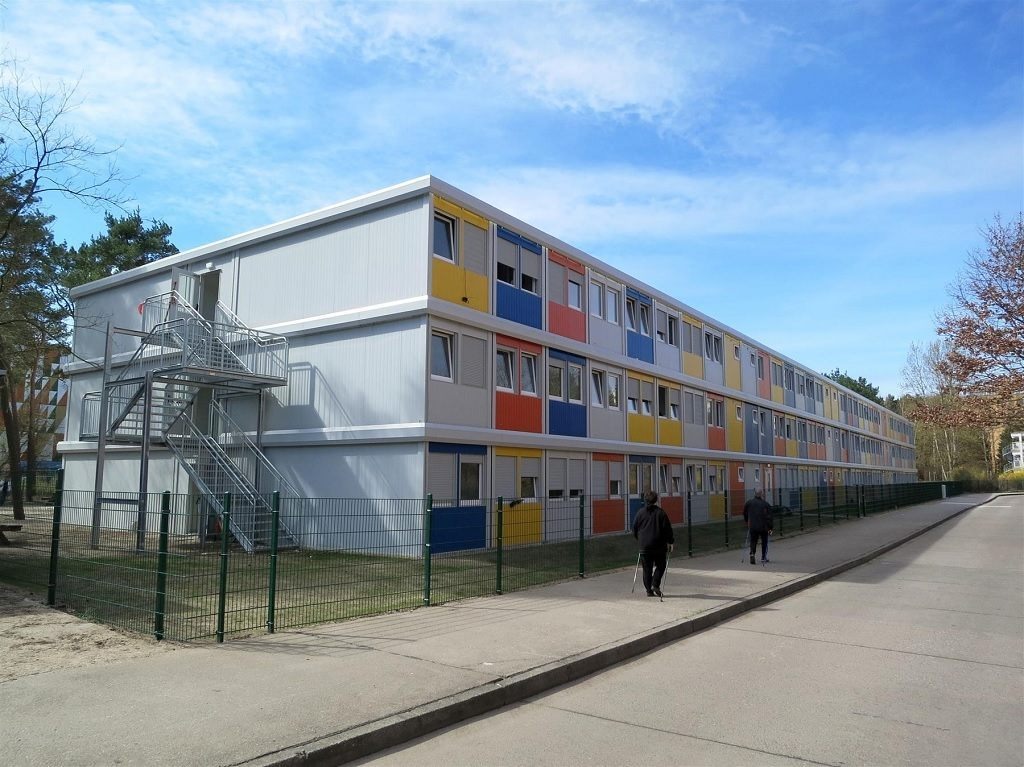
    Due to the increasing number of refugees, the city of Monheim plans to accommodate 80 refugees in an existing container facility on the site of a school, starting from next spring.

    However, many parents are outraged by this and have also expressed their displeasure in the Council meeting’s population. Mayor Daniel Zimmermann, however, decided to keep on with his plans.

    Zimmermann cites, among other things, the low conversion costs of the container system, of 150,000 euros, with the possibility of using also additional classrooms. The refugees are “people like you and me” and are neither dangerous nor endangered, said Zimmermann, who rejected the parents’ demand for security.

    Since the increased admission in 2015, there have been no problems with refugees in the city, said a spokesman for the city administration. More than 80 percent of the currently 830 refugees are accommodated in rented apartments, “but we are simply not going to be able to keep paying the rental”, the speaker continued.

    In addition, no other urban areas are currently free to use for refugee accommodation. The rental of a property or the implementation of the containers are significantly more expensive than the container solution.

    Parents are concerned about safety

    Many of the approximately 80 parents present, whose children attend the school there, expressed concerns at the council meeting, even about rape or abuse, fearing conflicts with traumatized refugees and thus stress for their children. Zimmerman called these fears “unfounded”.

    According to the city, the mayor wants to seek a conversation with the outraged parents again in the next few weeks, for example at parents’ meetings. According to Zimmermann, this will not change the city’s decision to accommodate refugees in the containers on the school premises.