• Art - Featured - Italy - Travel

    Let them eat bugs

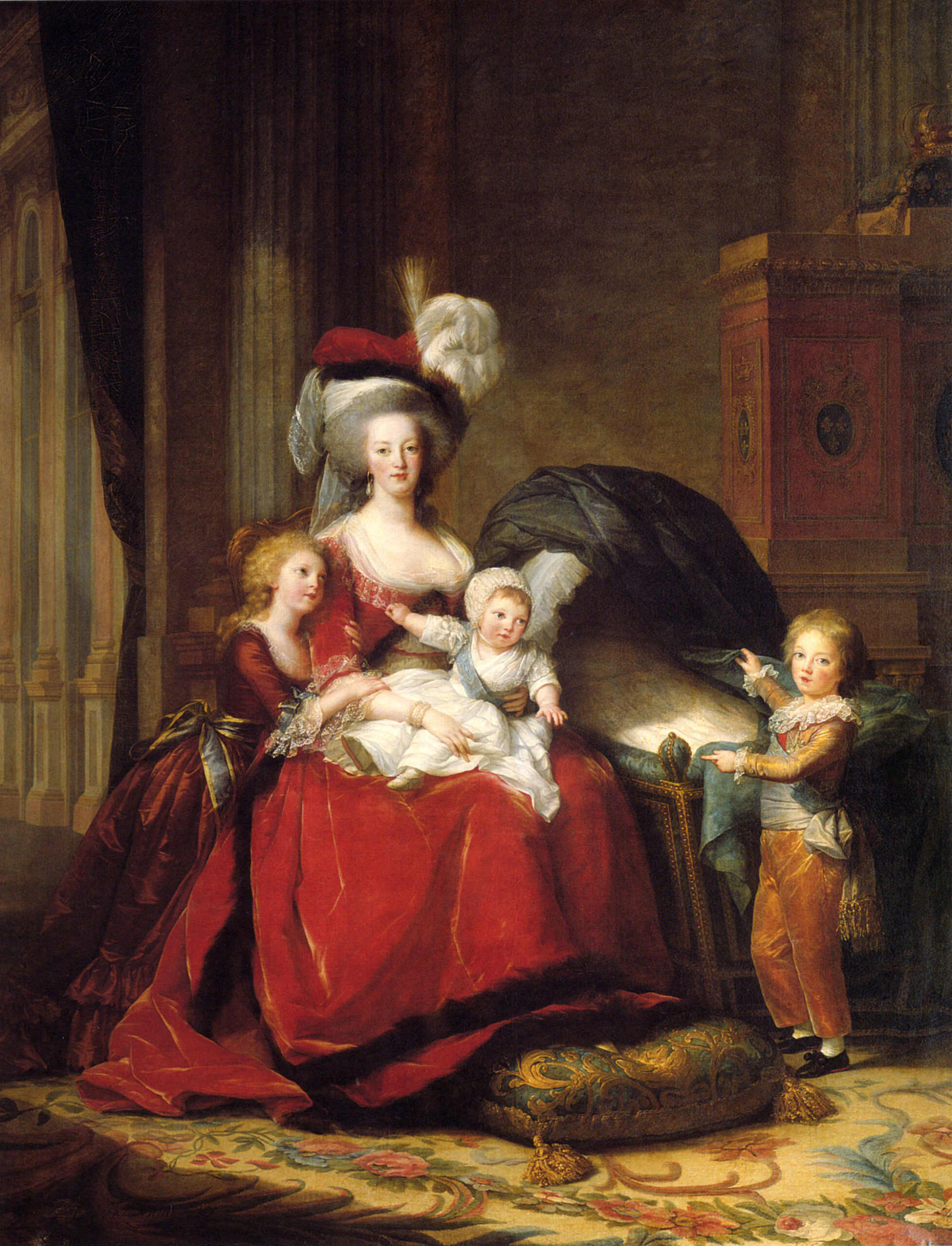
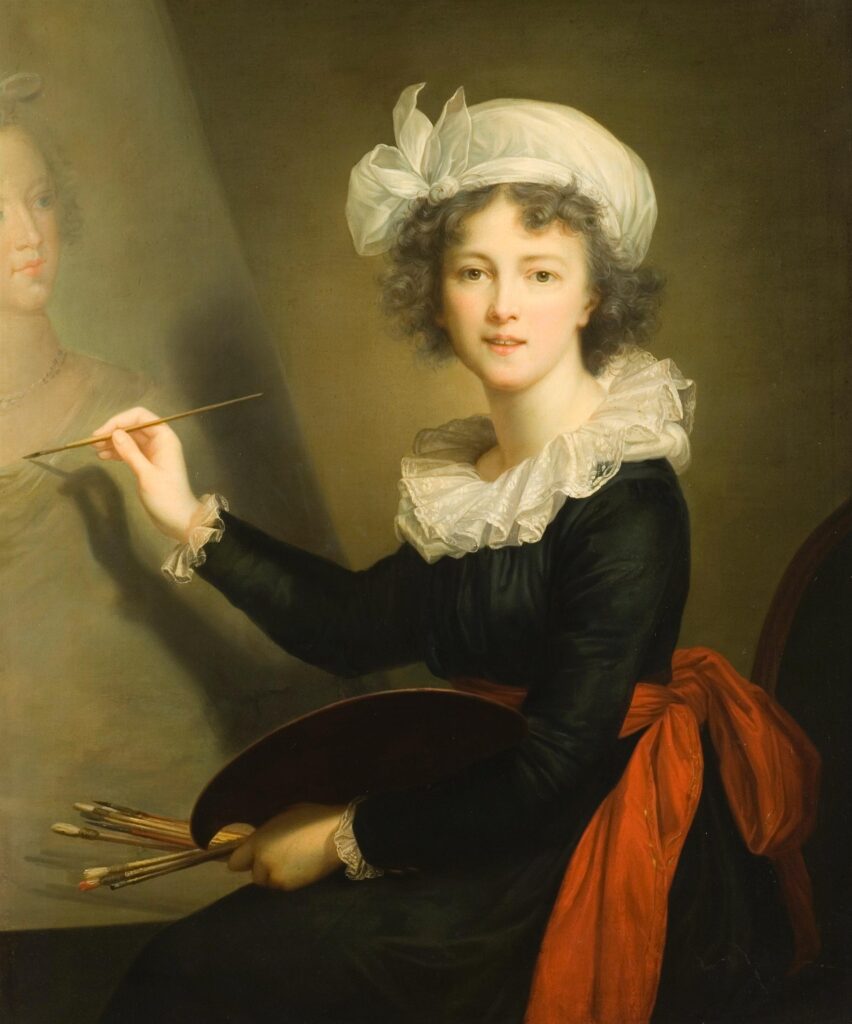
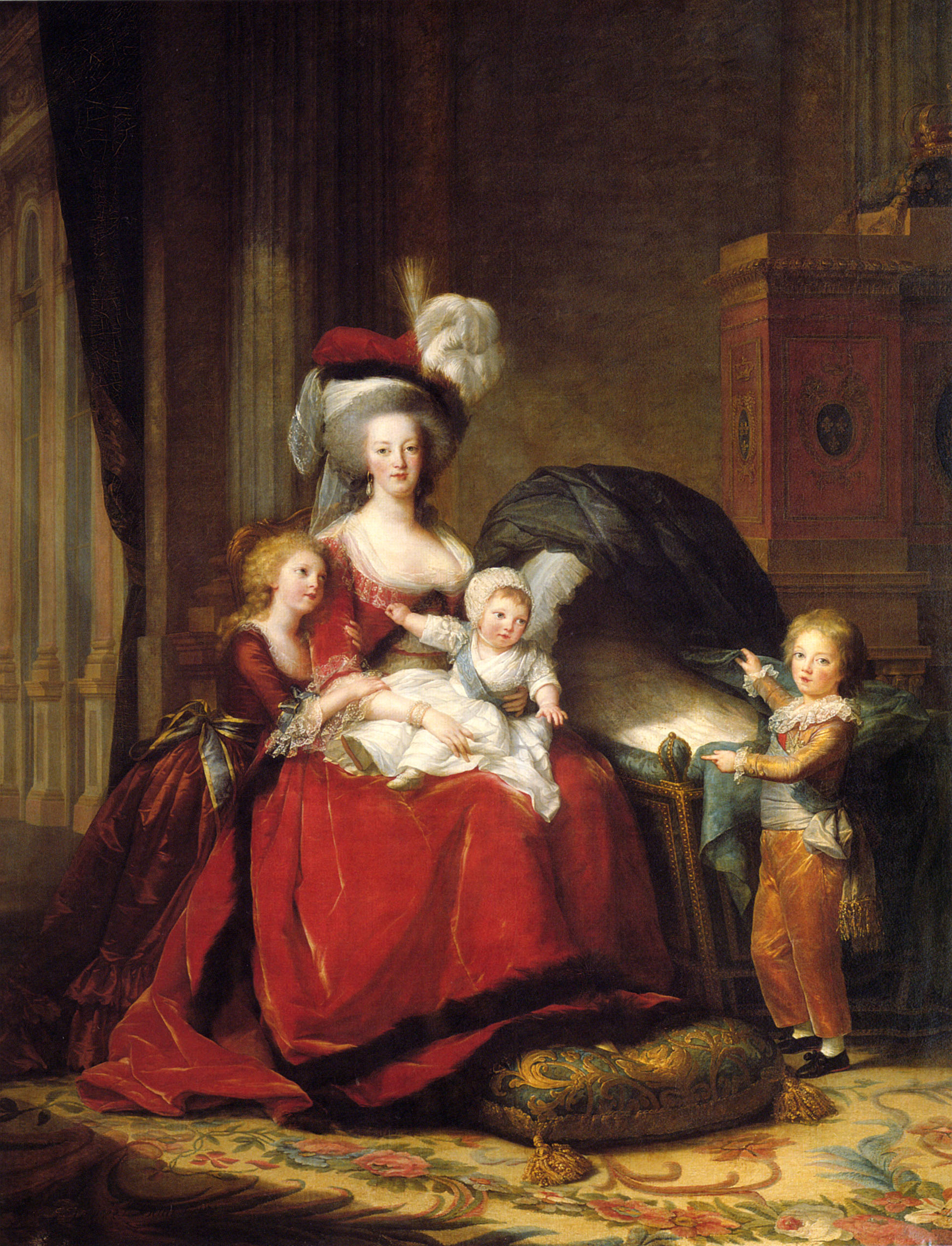
    I am currently reading the souvenirs of Élisabeth Vigée Le Brun, or, rather, a part of it focusing on her travels in Italy after having escaped the French Revolution. Madame Le Brun was no Raphael or Rembrandt, but she was a talented painter, mostly famous for her portraits, in particular for the several portraits she made of Queen Marie Antoinette.

    Marie Antoinette, as everyone knows, was the Queen dethroned and guillotined by the revolutionaries and famous for supposedly saying “let them eat brioche” (in fact, it is very unlikely that she really said that, and she had no small number of detractors who invented all kinds of rumours about her).

    Madame Le Brun herself, at least according to Wikipedia, was not an aristocrat by birth and had humble origins, showing that even in pre-Revolutionary France there was a certain social mobility. Her mother was a hairdresser and his father an unknown painter. He taught her painting, but died when she was only 12. Her mother remarried and the new husband, who became Élisabeth’s stepfather, was a rich jeweller, but also not an aristocrat by birth. Yet Élisabeth became a requested painter quite early in her career, painting the portraits of several nobles, and eventually married an important art dealer, Jean-Baptiste-Pierre Le Brun.

    Le Brun’s souvenirs, or at least the part I am reading, begin just as the royal family is removed from the palace and Le Brun flees France in disguise with her daughter (her husband remains in France and eventually joins the Revolutionary cause, but she remains a monarchist to the end of her life).

    Le Brun’s book depicts both her horror at the events taking place in France as well as her fascination with Italy, in particular Italian art (she’s a big fan of Raphael, Domenichino, Michelangelo and Corregio). It is a very interesting read, and I look forward to the volume about Russia, where she lived afterwards.

    But anyway — what I wanted to talk about was the French Revolution. To my mind, it was a senseless bloodbath and really the foundation of our modern world, based on idealistic but equivocated ideas of “equality”, “democracy” and “secularism” — in other words, the beginning of what we now call “globalism”.

    It is symptomatic that France, together with America, which was inspired by similar (Freemason’s) ideas, are the first countries poised to fall in the New World Order. France’s population is today composed of at least 40% non-European foreigners (they don’t keep statistics about ethnicity or religion, but a map of “sickle-cell anemia” gives the game away) and has so many social and economic problems that it is hard to see how it can survive as a “French” nation a hundred years from now — or even twenty.

    The funny thing about modern democracy — which started with the French and American Revolutions — is that it is supposed to be a system based on the will of the people instead of that of unaccountable elites, but, as we see more and more, the will of the people counts for very little. Just look at the farmers’ protests going on in France and other countries, which, despite their massive support by the public, have not moved the government’s position one inch. And why is the government set up against its own farmers, anyway?

    But, in fact, you can argue that everything that happens in modern democracy is done against the will of the population, or, at least, done without consulting them at all. Just look at massive immigration, gay marriage, the transgender stuff — all those are unpopular measures that no one voted or asked for, and yet keep being implemented.

    The problem of modern democracy is that the supposed leaders are no leaders at all, but puppets of a hidden cabal. So you have no one to protest against. Even if Macron or Biden became so unpopular that they were forced to resign, nothing much would happen — some other puppet would take their place and things would just go on as usual.

    Now the unaccountable elites are saying, not “let them eat brioche”, but, “let them eat bugs”. For some reason they really are pushing for insects on the menu, as well as all kinds of genetically modified veggies and artificial meat made in a lab. But the rich at Davos will still eat Kobe steak and caviar, thank you very much.

    I really don’t know what is the answer to our present quandaries, and as you can see I am not a great fan of violent revolutions — which are usually not the popular movements they are portrayed to be, but just the removal of one “elite” by another — but what can be done at this point? Except perhaps waiting and preparing for whatever may come?

    But let us finish with a short quotation from Le Brun’s book, while she visits a church in Bologna, and muses on the fate of her country. We are all Le Brun now.

    I went immediately to the church of Sant’Agnese, where this saint’s martyrdom is represented in a painting by Domenichino. The youth and innocence of Saint Agnes is so well captured on her beautiful face and the features of the torturer striking her with his sword form such a cruel contrast to her divine nature, that I was overwhelmed with pious admiration. As I knelt before the masterpiece, someone played the overture to Iphigenia on the organ. The involuntary link that I made between the young pagan victim of that story and the young Christian victim, the memory of the peaceful, happy time when I had last listened to that piece of music, and the sad thought of all the evils pressing upon my unhappy country, weighed down my heart to the point where I began to cry bitterly and to pray to God on behalf of France. Fortunately I was alone in the church and I was able to remain there for some time, giving vent to those painful emotions which took control of my soul.

    Whatever you think of the unfortunate Marie Antoinette, at least brioche — in the English translation of the phrase they usually say “cake”, but it is just a sweet bread — is delicious, nutritive and not difficult to make. While bugs are disgusting, dangerous and, when you make all the calculations, the economics for their production is not really that green. I know, Asians eat bugs, but I’d rather keep them out of my diet. I prefer the Italian/Mediterranean food.
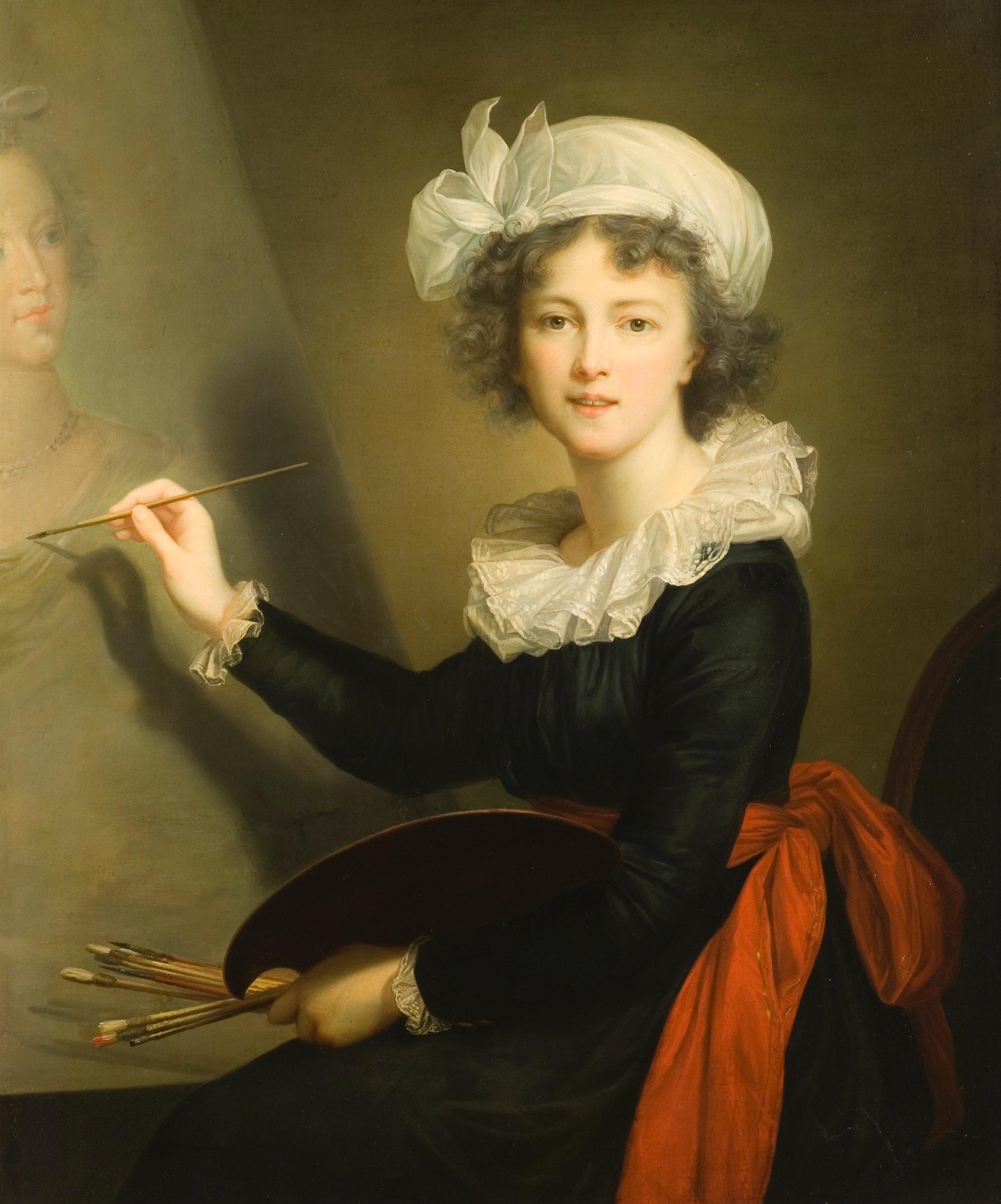
    “Self-portrait”, Élisabeth Vigée Le Brun (1790)
  • Articles

    How much did Renaissance painters make?

    An investigation into Caravaggio’s earnings and expenses

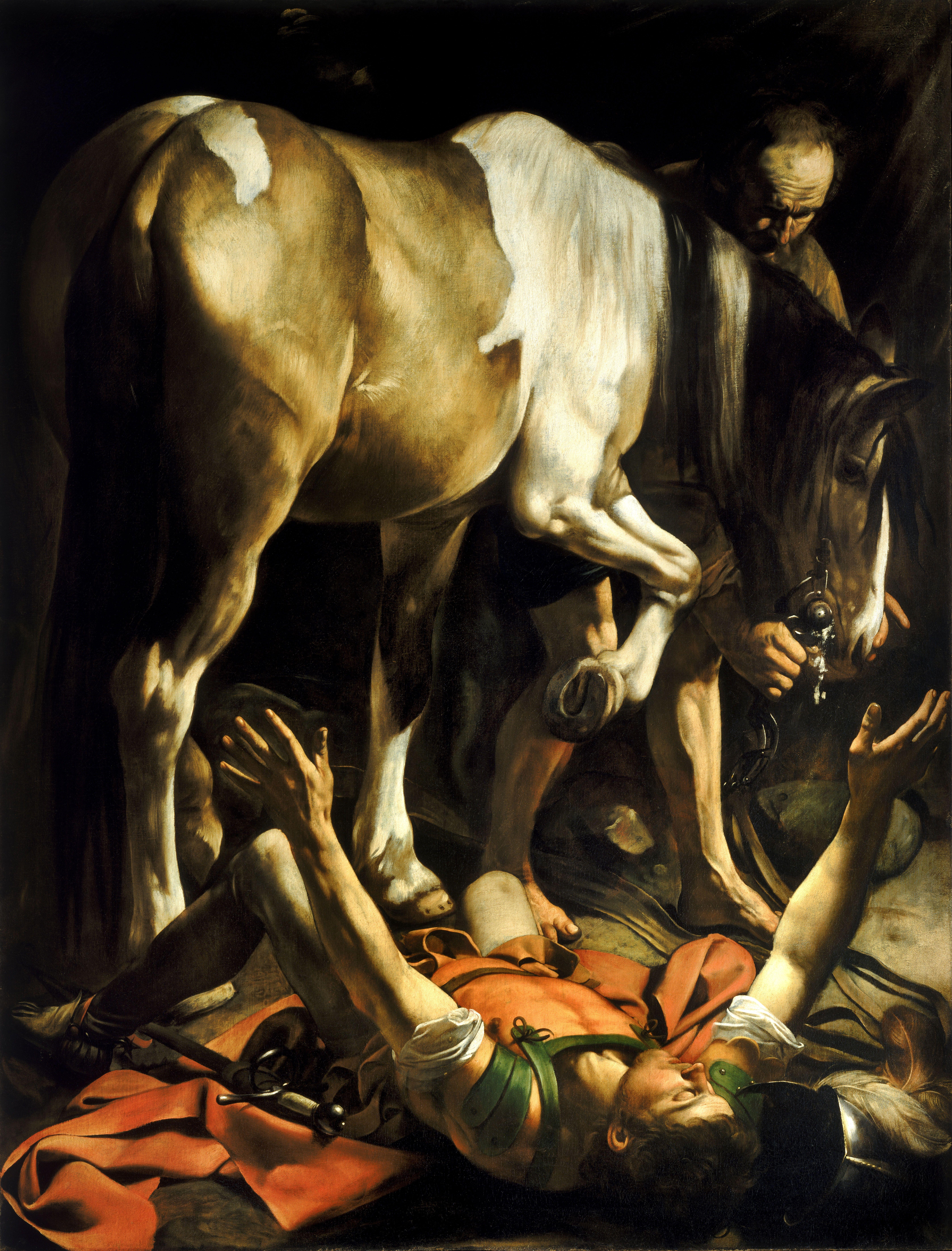
    And now for something completely different. According to historical records, the painter Michelangelo Merisi da Caravaggio signed a contract in 1600 to create two paintings (which ended up being “The conversion of Saint Paul” and “The martyrdom of Saint Peter”) during a period of eight months, for 400 scudi — even though in the end it took him more than a year to finish them, the first versions were rejected, and his final compensation was reduced to 300 scudi.

    It is also reported that he sold one of his earlier paintings, “The Fortune Teller” (1594), for just 8 scudi, as he was apparently broke at the time.

    So far, so good. But how much was a scudo?

    The answer is not as easy as it seems to find out. A Roman scudo was the highest value coin in the Papal States of Rome at the time. It was subdivided into 100 baiocchi, which was further divided into 5 quattrini (incidentally, in some regions of Italy they still say “quattrini” when they mean money or coins in general).

    A scudo came in the form of a gold or silver coin. The gold coins had a weight of 3.35 grams of gold 22K. Let’s say that Caravaggio had been paid in gold coins. Calculating with current gold prices (55 euros per gram at 22K), we would have 184 euros per scudo, so 300 scudi would mean a total of 55,275 euros today.

    But would that be an adequate way of measuring its real value at the time?

    No, not really. The price of gold and what it can buy can fluctuate quite a lot, so it is better to analyze it in terms of cost of living and what you could buy with a scudo in Rome in 1600.

    Now, in the 1600s, Italy wasn’t a unified republic as it is now, and each region had its own monetary system. While Rome used the scudo/baiocco/quattrini, other regions of Italy used the lira, which was subdivided into 20 soldi and then each soldi into 12 denari — `again, “soldi” and “denaro” are also general terms for “money” in Italy). But converting from one system to another is quite complicated, as their value could change from region to region or from year to year.

    In Florence, in the early 1500s, Leonardo da Vinci is known to have been paid 200 florins for a painting. The florin in Florence was more less the equivalent of a scudo in Rome, that is, a gold coin of about 3 to 4 grams. (Technically, Caravaggio would be placed more in the “Baroque” period than in the Renaissance, as that hat peaked a 100 years earlier and mostly around Florence, but here for simplicity I’m calling both of them “Renaissance painters”. )

    Anyway — because of the conversion difficulties, let us focus just in Rome.

    Cost of living in Rome in 1600

    What was the cost of living in Rome in 1600? According to a paper by Richard E. Spear, living in the Eternal City was not cheap back then (it still isn’t today). Just rent would set you down between 12 scudi a year in the poorest neighbourhoods to up to a 100 scudi in the really posh ones. The painter Artemisia Gentileschi and her family is known to have rented two of the rooms in their house to lodgers for 18 scudi a year. In 1619, painter Guido Reni received an allowance of 50 scudi a year to pay for his rent (on top of a monthly salary of 9 scudi).

    What about food? Also according to Spear, a merchant would spend about 70 scudi a year on food. A dozen eggs would cost 1 baiocco (0.01 scudi), a litre of wine 3 baiocchi (0.03 scudi) and a kilogram of bread, between 4 to 5 baiocchi. Pasta was considered a luxury good and could cost you thrice as much, 12 to 15 baiocchi. Fish was also very expensive in Rome, at 24 baiocchi a kg, while you could get beef and lamb for 9 baiocchi a kg. A pair of shoes cost 50 baiocchi, or half a scudo.

    And what were average salaries like? Again according to Spear, “during 1605-7, a field worker made between 15 and 22 baiocchi a day, or about 50 scudi a year; a muratore, or skilled mason, earned 35 baiocchi a day in 1624, that is, about 85 scudi annually.” On average, an ordinary worker would spend about three quarters of his income in food, and a third of that just on bread.

    On the other hand, a wealthy merchant could make as much as 40,000 to 50,000 scudi in a year, and a cardinal could get an ecclesiastical income between 10,000 and 20,000 scudi. A few made even more. Cardinal Scipiano Borghese, of the famous Borghese family, made 405 scudi a month as “superintendent of the ecclesiastical state”, and in 1612 he earned an astonishing 140,000 scudi in just a year.

    Let’s say that Caravaggio’s average contract was for a duration of 8-10 months, so rounding up, with 300 scudi for that period he was making about 1 scudo a day. However, he might have have multiple commissions at the time. Considering that Caravaggio is known to have been paid a total 4,400 scudi in the last ten years of his life for 17 paintings, but he is known to have painted at lest 40 works during that time, if we average 250 scudi per commission (4,400 / 17), Spear calculates Caravaggio’s yearly income at 1,000 scudi.

    However, we have to deduce from that all his other expenses — paying his assistants and models, buying painting materials, which could be quite expensive, and were not included in the payment.

    Nevertheless, with just one scudo you could buy 20 kg of bread, or two pairs of shoes, or a barrel of 40 litres of wine, or 4 kg of fish.

    Considering today’s cost of bread in Italy is about 3 euro/kg, 20 kg of bread costs 60 euro. Therefore we could say — very approximately — that Caravaggio was receiving the equivalent of today’s 60 euro a day, 1,800 euros a month, or a total of 18,000 euros for the 300 scudi during 10 months. However, if we calculate his yearly income as 1,000 scudi a year, as Spear does, then we have an income of 60,000 euros a year, or 165 euros a day, which is more, but not much more than what an average worker makes in today’s Rome (43,000 euro/year).

    But considering that at the time there were lots of people living in extreme poverty in Rome, and than an average worker would not make more than 60 or 70 scudi a year, 1,000 a year was a very respectable sum.

    It doesn’t seem like a lot now — considering that today a single painting by Caravaggio is worth 40 millions of euros — but back then, with 1,000 scudi you could live quite comfortably for a year and even afford servants (as some painters did, and relatively few people could afford servants in Rome back then).

    Caravaggio was not average

    Caravaggio was paid more than other artists, since he was even back then famous and requested. On the other hand, he was also infamous for his bohemian lifestyle, and probably spent a lot of his money in gambling, booze and prostitutes (*). He was also constantly involved in brawls and duels and was arrested and sued a few times, so a lot of money probably went into that too.

    And life can change a lot in a few years. In 1594, Caravaggio was poor and selling a major painting for just 8 scudi. In 1601, he was the most sought after painter in Rome, earning lots of commissions. But just five years later, in 1606, he was accused of the murder of a wealthy young man, Rannuccio Tomassoni, and had to flee Rome in disgrace with a bounty on his head.

    After that he lived in exile in Naples, Sicily and Malta, but got involved in fights there too and made new enemies, so he had to flee Malta too. He died in relative poverty at only 38 years of age in the beautiful peninsula of Porto Ercole, Tuscany, and the causes of his death are still unclear. Some say syphilis, some say malaria, some say sepsis from a wound in yet another fight, and some say he was murdered by assassins sent by the Tomassoni family.

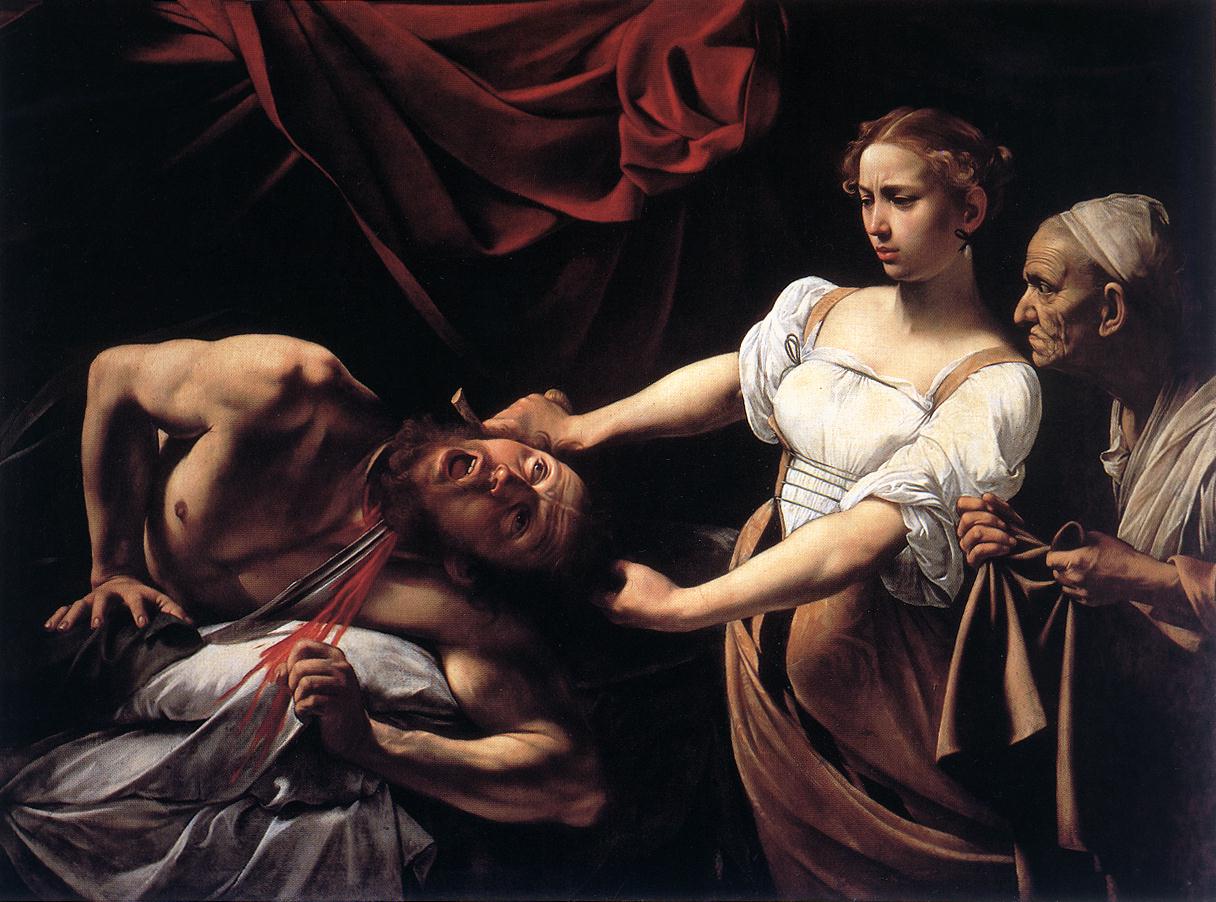
    (1) Much is made in the current discourse of Caravaggio being homosexual, but that seems to be based exclusively on the fact that he liked to paint beautiful young boys, which is not much evidence of anything. His known affairs were all with women. He is known to have had a relationship with the prostitute Fillide Melandroni, who posed for several of his paintings, and also a certain “Lena” is listed as his companion — this is likely Maddalena Antognetti, who posed for him as Saint Catherine of Alexandria.

  • Art - Featured - Italy

    How much did Renaissance painters make?

    An investigation into Caravaggio’s earnings

    And now for something completely different. According to historical records, the painter Michelangelo Merisi da Caravaggio signed a contract in 1600 to create two paintings (which ended up being “The conversion of Saint Paul” and “The martyrdom of Saint Peter”) during a period of eight months, for 400 scudi — even though in the end it took him more than a year to finish them, the first versions were rejected, and his final compensation was reduced to 300 scudi.

    It is also reported that he sold one of his earlier paintings, “The Fortune Teller” (1594), for just 8 scudi, as he was apparently broke at the time.

    So far, so good. But how much was a scudo?

    The answer is not as easy as it seems to find out. A Roman scudo was the highest value coin in the Papal States of Rome at the time. It was subdivided into 100 baiocchi, which was further divided into 5 quattrini (incidentally, in some regions of Italy they still say “quattrini” when they mean money or coins in general).

    A scudo came in the form of a gold or silver coin. The gold coins had a weight of 3.35 grams of gold 22K. Let’s say that Caravaggio had been paid in gold coins. Calculating with current gold prices (55 euros per gram at 22K), we would have 184 euros per scudo, so 300 scudi would mean a total of 55,275 euros today.

    But would that be an adequate way of measuring its real value at the time?

    No, not really. The price of gold and what it can buy can fluctuate quite a lot, so it is better to analyse it in terms of cost of living and what you could buy with a scudo in Rome in 1600.

    Now, in the 1600s, Italy wasn’t a unified republic as it is now, and each region had its own monetary system. While Rome used the scudo/baiocco/quattrini, other regions of Italy used the lira, which was subdivided into 20 soldi and then each soldi into 12 denari — `again, “soldi” and “denaro” are also general terms for “money” in Italy). But converting from one system to another is quite complicated, as their value could change from region to region or from year to year.

    In Florence, in the early 1500s, Leonardo da Vinci is known to have been paid 200 florins for a painting. The florin in Florence was more less the equivalent of a scudo in Rome, that is, a gold coin of about 3 to 4 grams. (Technically, Caravaggio would be placed more in the “Baroque” period than in the Renaissance, as that had peaked a 100 years earlier and mostly around Florence, but here for simplicity I’m calling both of them “Renaissance painters”.)

    Anyway — because of the conversion difficulties, let us focus just in Rome.

    Cost of living in the 1600s

    What was the cost of living in Rome in 1600? According to a paper by Richard E. Spear, living in the Eternal City was not cheap back then (it still isn’t today). Just rent would set you down between 12 scudi a year in the poorest neighbourhoods to up to a 100 scudi in the really posh ones. The painter Artemisia Gentileschi and her family is known to have rented two of the rooms in their house to lodgers for 18 scudi a year. In 1619, painter Guido Reni received an allowance of 50 scudi a year to pay for his rent (on top of a monthly salary of 9 scudi).

    What about food? Also according to Spear, a merchant would spend about 70 scudi a year on food. A dozen eggs would cost 1 baiocco (0.01 scudi), a litre of wine 3 baiocchi (0.03 scudi) and a kilogram of bread, between 4 to 5 baiocchi. Pasta was considered a luxury good and could cost you thrice as much, 12 to 15 baiocchi. Fish was also very expensive in Rome, at 24 baiocchi a kg, while you could get beef and lamb for 9 baiocchi a kg. A pair of shoes cost 50 baiocchi, or half a scudo.

    And what were average salaries like? Again according to Spear, “during 1605-7, a field worker made between 15 and 22 baiocchi a day, or about 50 scudi a year; a muratore, or skilled mason, earned 35 baiocchi a day in 1624, that is, about 85 scudi annually.” On average, an ordinary worker would spend about three quarters of his income in food, and a third of that just on bread.

    On the other hand, a wealthy merchant could make as much as 40,000 to 50,000 scudi in a year, and a cardinal could get an ecclesiastical income between 10,000 and 20,000 scudi. A few made even more. Cardinal Scipiano Borghese, of the famous Borghese family, made 405 scudi a month as “superintendent of the ecclesiastical state”, and in 1612 he earned an astonishing 140,000 scudi in just a year.

    Let’s say that Caravaggio’s average contract was for a duration of 8-10 months, so rounding up, with 300 scudi for that period he was making about 1 scudo a day. However, he might have have multiple commissions at the time. Considering that Caravaggio is known to have been paid a total 4,400 scudi in the last ten years of his life for 17 paintings, but he is known to have painted at lest 40 works during that time, if we average 250 scudi per commission (4,400 / 17), Spear calculates Caravaggio’s yearly income at 1,000 scudi.

    However, we have to deduce from that all his other expenses — paying his assistants and models, buying painting materials, which could be quite expensive, and were not included in the payment.

    Nevertheless, with just one scudo you could buy 20 kg of bread, or two pairs of shoes, or a barrel of 40 litres of wine, or 4 kg of fish.

    Considering today’s cost of bread in Italy is about 3 euro/kg, 20 kg of bread costs 60 euro. Therefore we could say — very approximately — that Caravaggio was receiving the equivalent of today’s 60 euro a day, 1,800 euros a month, or a total of 18,000 euros for the 300 scudi during 10 months. However, if we calculate his yearly income as 1,000 scudi a year, as Spear does, then we have an income of 60,000 euros a year, or 165 euros a day, which is more, but not much more than what an average worker makes in today’s Rome (43,000 euro/year).

    But considering that at the time there were lots of people living in extreme poverty in Rome, and than an average worker would not make more than 60 or 70 scudi a year, 1,000 a year was a very respectable sum.

    It doesn’t seem like a lot now — considering that today a single painting by Caravaggio is worth 40 millions of euros — but back then, with 1,000 scudi you could live quite comfortably for a year and even afford servants (as some painters did, and relatively few people could afford servants in Rome back then).

    Caravaggio was not average

    Caravaggio was paid more than other artists, since he was even back then famous and requested. On the other hand, he was also infamous for his bohemian lifestyle, and probably spent a lot of his money in gambling, booze and prostitutes (*). He was also constantly involved in brawls and duels and was arrested and sued a few times, so a lot of money probably went into that too.

    And life can change a lot in a few years. In 1594, Caravaggio was poor and selling a major painting for just 8 scudi. In 1601, he was the most sought after painter in Rome, earning lots of commissions. But just five years later, in 1606, he was accused of the murder of a wealthy young man, Rannuccio Tomassoni, and had to flee Rome in disgrace with a bounty on his head.

    After that he lived in exile in Naples, Sicily and Malta, but got involved in fights there and made new enemies, so he had to flee Malta too. He died in relative poverty at only 38 years of age in the beautiful peninsula of Porto Ercole, Tuscany, and the causes of his death are still unclear. Some say syphilis, some say malaria, some say sepsis from a wound in yet another fight, and some say he was murdered by assassins sent by the Tomassoni family.

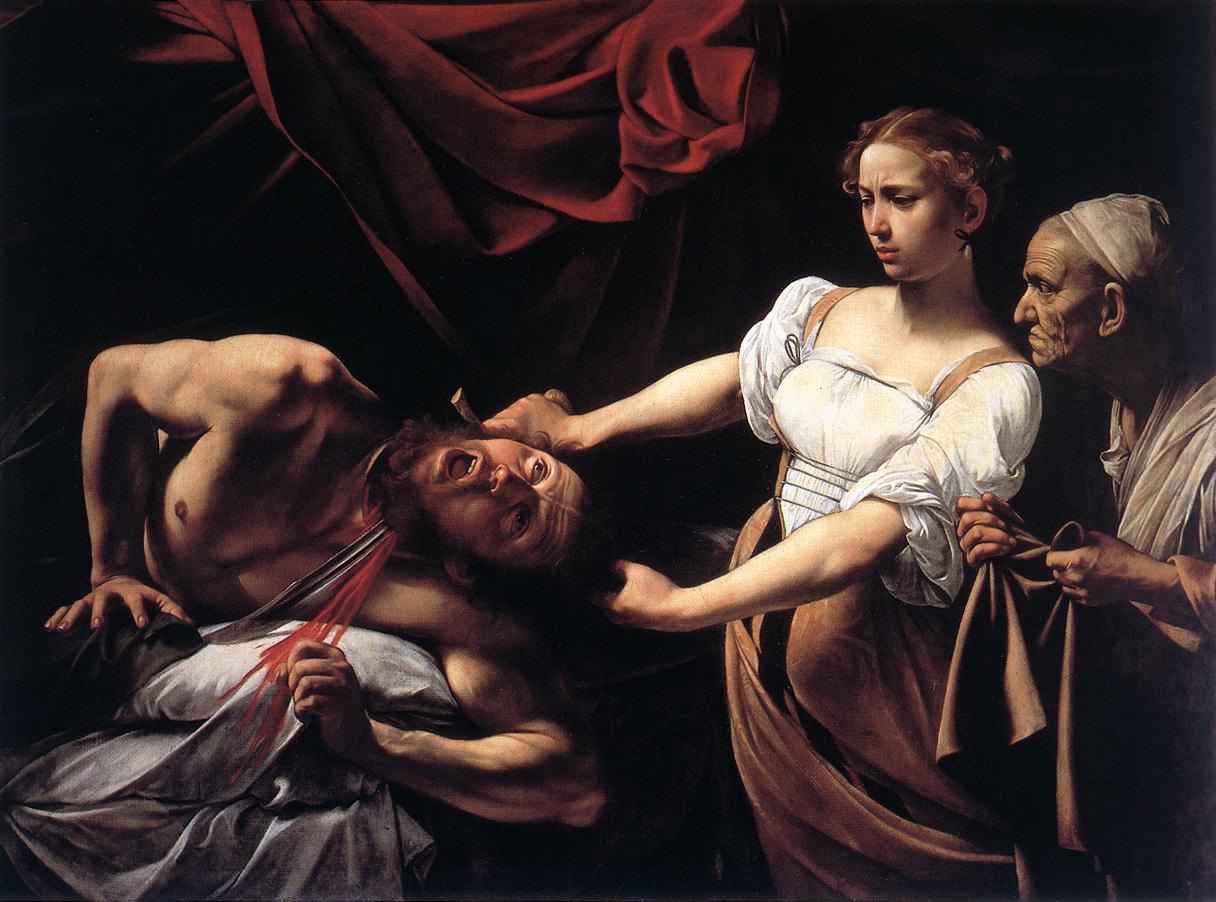
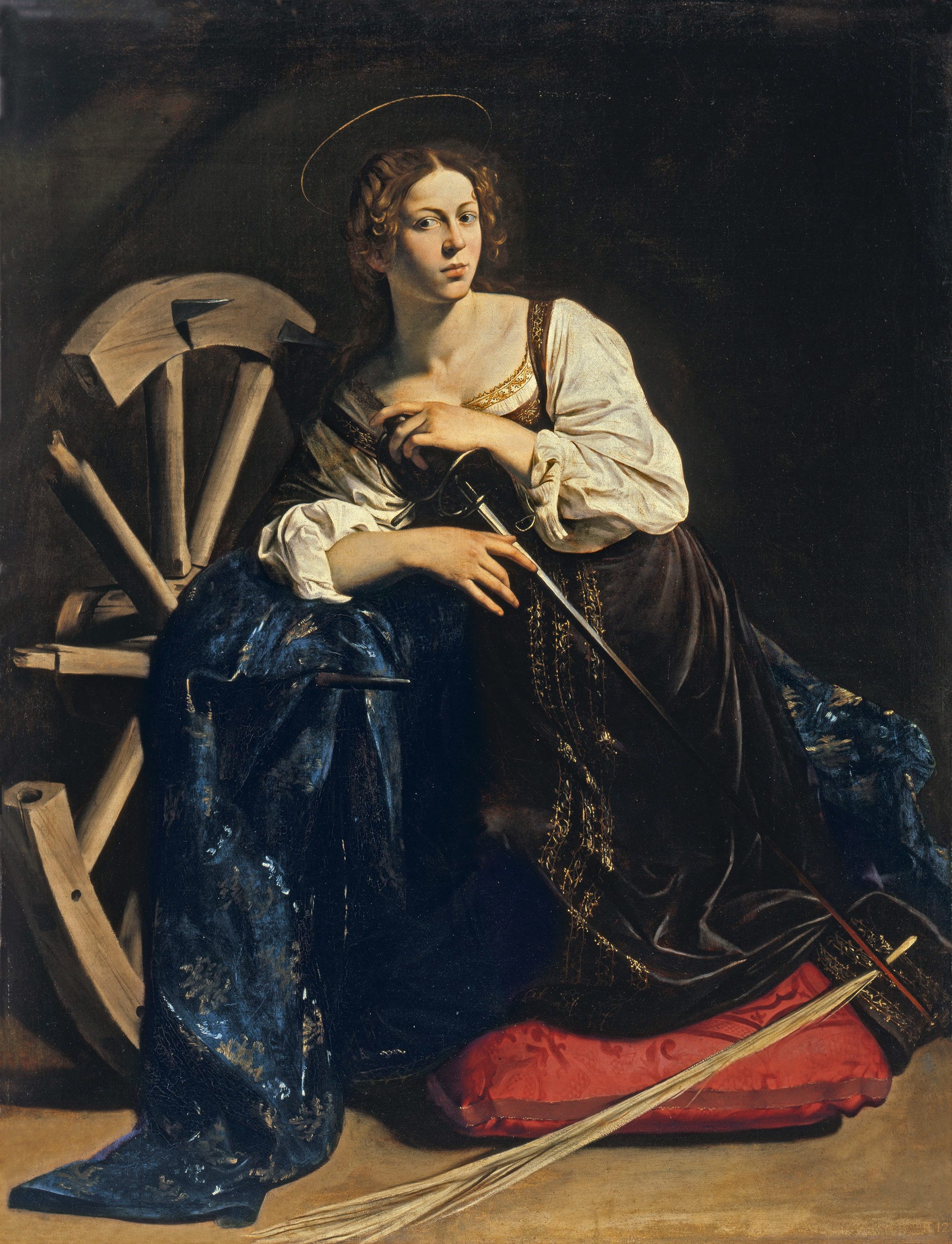
    (1) Much is made in the current discourse of Caravaggio being homosexual, but that seems to be based exclusively on the fact that he liked to paint beautiful young boys, which is not much evidence of anything. His known affairs were all with women. He is known to have had a relationship with the prostitute Fillide Melandroni, who posed for several of his paintings, and also a certain “Lena” is listed as his companion — this is likely Maddalena Antognetti, who posed for him as Saint Catherine of Alexandria.


    Fillide as Judith in “Judith beheading Holofernes” (1599)
    Maddalena Antognetti as “Saint Catherine of Alexandria” (1599)
    “The conversion of Saint Paul” (1600-01)
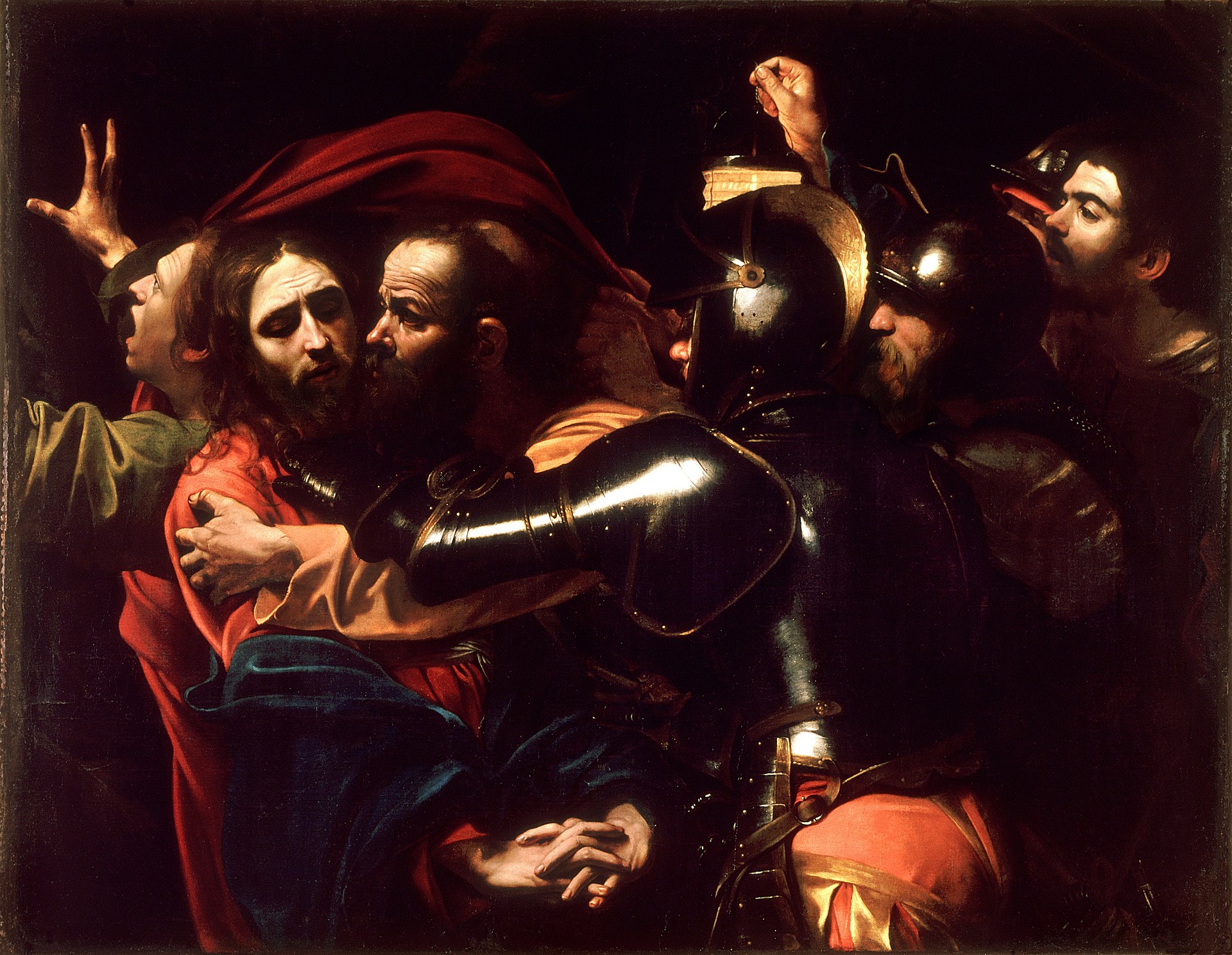
    “The taking of the Christ” (1602)
  • Articles

    There's something about Modernity

    Perfect Days, Imperfect Times

    Perfect Days

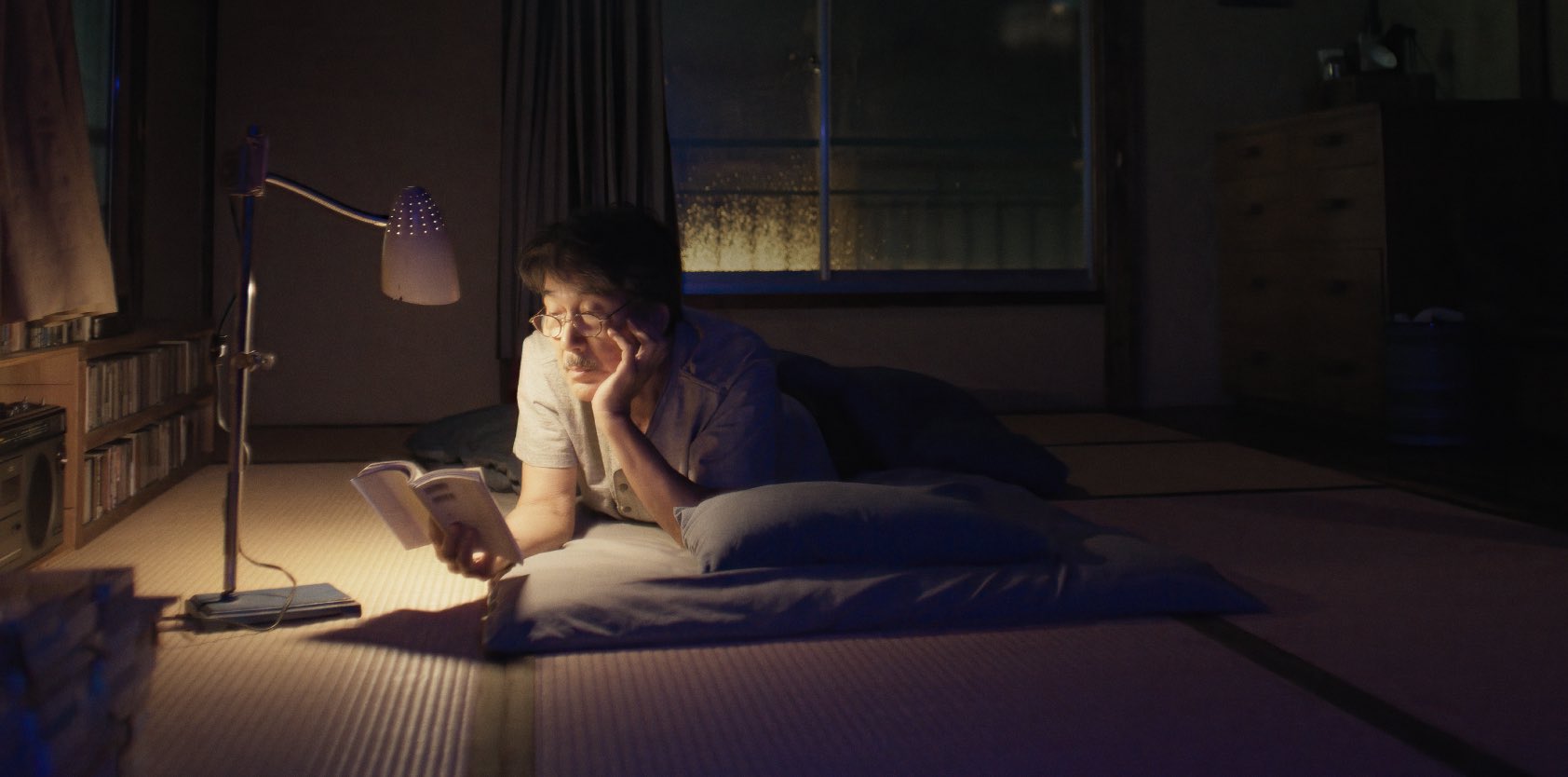
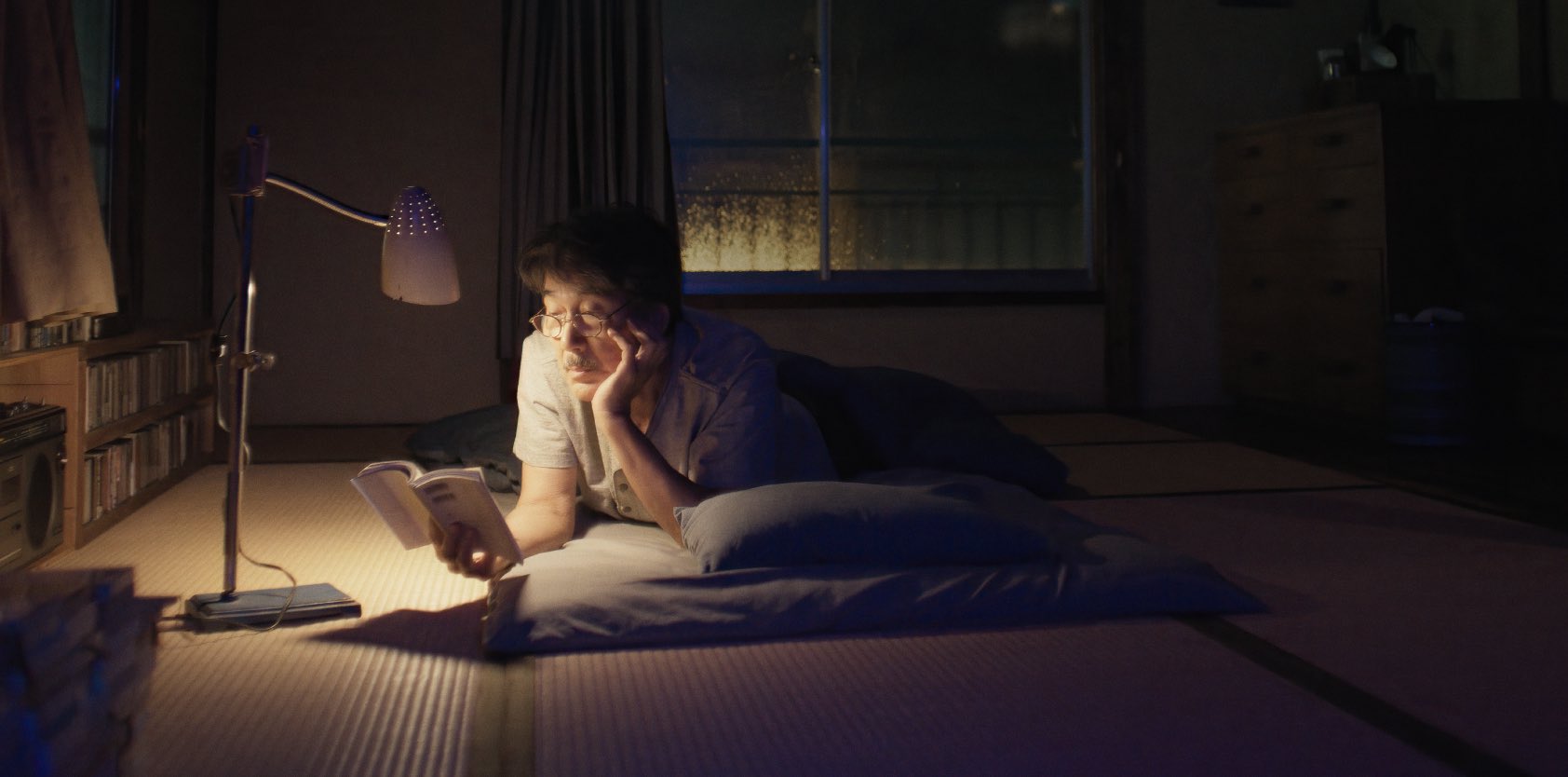
    “Perfect Days”, Wim Wenders’ latest movie set in Tokyo, is a very poetic, minimalistic film about finding joy in the simple things of life. (I am usually not a great fan of Wenders, but this is a good one).

    In the film, the main character works as a public toilet cleaner, although his education level seems to be relatively high. He’s an avid reader (Faulkner, Highsmith), an amateur photographer, and he enjoys listening to alternative American music from the 1960s and 1970s (Nina Simone, Lou Reed and The Kinks are the main hits of the soundtrack that he plays from cassette tapes in his car while driving to work). Excepting one Japanese song and at least one Japanese book, most books and songs shown in the film are by Americans, so this looks like a demonstration of how Americanized Japan has become, although that might be a generational thing: it represents the Japanese who came of age in the 1960s/1970s, of which writer Haruki Murakami might be another example. (Today, it’s in large part the American youth who watches Japanese animes and gets “Japanized”.)

    The main character is a single man in his 50s living alone in Tokyo. He has no children and apparently has never married, although the film implies he had some form of relationship with a woman years ago. His only family connections seem to be a sister and a niece he rarely sees.

    The film is not really about the appalling birth rates in Japan, nor about the increasing loneliness in modern Japanese cities. But characters like the one in the movie, once an exception, must be very common now. A recent survey informs us that “More than one-third of unmarried Japanese adults in their 20s to 40s have never been in a relationship and one-fourth have no intention of ever getting married.”

    It’s no wonder that Japan has one of the lowest fertility rates in the world.

    Why don’t Japanese people want to marry? For men, the alleged main cause was “the financial strain of married life”. For women, “they do not want to compromise their freedom and independence.”

    Freedom and independence, eh? How’s that working out for women, though? Most women appear to be increasingly unhappier than they were decades ago, and a few recent studies say so. In the following article from a left-leaning site, they call it a “paradox” and say that it is “strange”:

    Something strange is going on in women’s happiness research. Because despite having more freedom and employment opportunities than ever before, women have higher levels of anxiety and more mental health challenges, such as depression, anger, loneliness and more restless sleep. And these results are seen across many countries and different age groups.

    But who says it is a paradox? Isn’t it more likely that “freedom and employment” don’t lead to happiness, and that marriage and babies, while no guarantee of “happiness” either, at least give a more concrete sense of long-term satisfaction?

    As a fan of Ozu movies, I make a case that Japan should just go back to arranged or semi-arranged marriages. (By the way, in Ozu’s “Late Spring” there’s a good speech by the father about marriage.)

    Not just the Japs

    Japan may be an extreme case, with its young men “marrying” holograms or anime characters. But neighbouring South Korea has an even lower birth rate — and Asia is far from alone in that trend. In fact, most of the world, excepting perhaps Africa and India, is on a downward population trend. All Western countries right now, and many non-Western too, have below-replacement birth rates. Some, such as Germany or Italy, are dangerously close to the levels of Japan and South Korea.

    And recently even France, which for years used to be an exception with more robust birth rates — although that might have been caused by the influx of foreign migrants that the French government doesn’t like to count in its statistics — now had a “baby bust” with the lowest number of births since World War II.

    But why?

    There are lots of reasons, of course. Some are biological — micro-plastics, whatever they put in our food and water, vaccines. Some are economic — higher living costs and uncertainty about the future. Some are social — feminism, urbanization, loss of religion.

    The biological and economic causes warrant some investigation, but I’d say that the social causes are the most important ones.

    The loss of religion by itself seems to he a huge part of it. The groups with higher birth rates tend to be the most religious ones: the Amish, traditional Catholics, practising Muslims, Orthodox Jews. Having and taking care of several children is not easy. The idea of having a higher purpose in life beyond personal happiness certainly helps, as this memorable dialog from Tarkovsky’s “Nostalghia” reminds us: “I know, you want to be happy. But there are more important things.”

    Several years ago, I made a short documentary that no-one watched about exactly that issue. It was called “Childless in Europe” and you can watch it below. Or not.

    And Feminism?

    Feminism didn’t help either. Women, in the end, are the ones who decide if they will have children or not. And most are deciding not to, either because they prefer to focus on their career and marry later, or because they decide that having children interfere with their search for happiness, or because they consider marriage a form of prison, or… Who knows? Fact is, wherever feminism flourishes, the birth rate goes down.

    On top of that, there is a growing dissatisfaction between the sexes. Men and women no longer seem to understand each other. Many Western women, in particular, seem to have become totally unaware of what men want, and even of what they themselves want. A viral video recently showed a typical modern young Western woman saying that she “doesn’t cook, doesn’t clean, and doesn’t bring anything to the table in a relationship except her looks and personality”. Many such cases. Sad.

    Of course the men’s reaction is not much better, divided into either virgin MGTOWs or chad PUAs — both awful lifestyles that do not lead to higher birth rates, but rather increase even more the problem. Turns out that, surprise, sexual liberation ends up being bad for both sexes.

    (This is not even new, as J. D. Unwin’s “Sex and Culture”, published in 1934, observed that sexual liberation and the end of strict monogamy always led to cultural decay).

    The role of digital technology

    Technology, and in particular digital technology in the form of social media and smartphones in general, might also be a factor.

    I don’t know the exact mechanism, but it seems that the more we live in the digital world, the less we want to interact with real people in real life. Some people even prefer to have “AI girlfriends” and pay for them.

    Autism is growing (although that could also be an effect of vaccines and modern diets). Many young people no longer know how to communicate face to face.

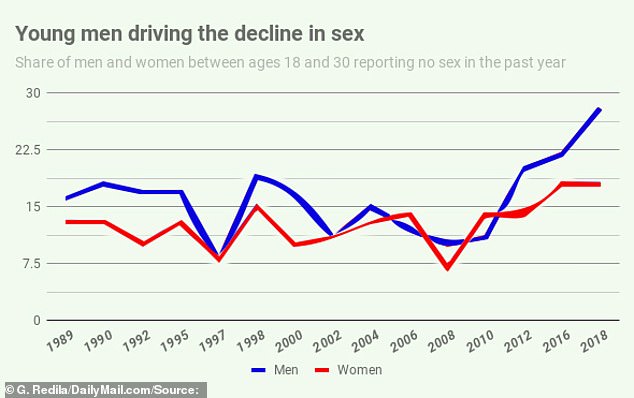
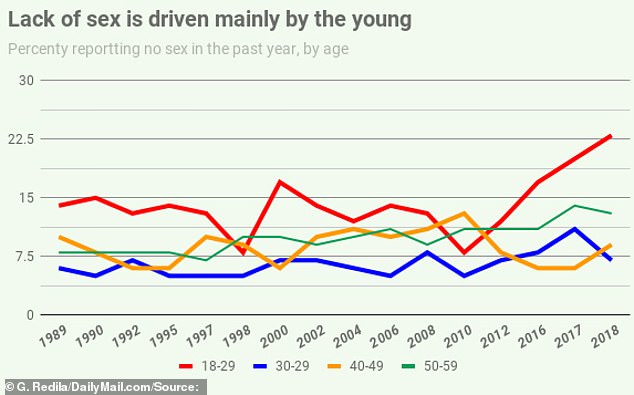
    We have evolved into a society that talks a lot about sex, and increasingly inflicts graphic images of sex even on teenagers and children, but more and more it seems to be just images and talking. Narcissistic posturing. The more people talk or fantasize about sex and about their “sexual identity”, the less they seem to actually have sex, much less procreative sex.

    Many young people seem to make themselves ugly on purpose, consciously or subconsciously, with tattoos, blue hair, pink hair, piercings, nose rings. It might be a subtle, or perhaps not so subtle, way of avoiding sexual interest from others and further social interaction. Safer to interact just from behind a screen.

    Even prostitution has receded mostly to cams, nudes and other interactions at a distance. OnlyFans is the new brothel. Phones are the new bed. Everything is virtual.

    If it goes on like that, a few European ethnicities could disappear in the not too distant future, either by mixing into the general globalized gene pool or simply by failing to reproduce in sufficient numbers.

    Is there hope?

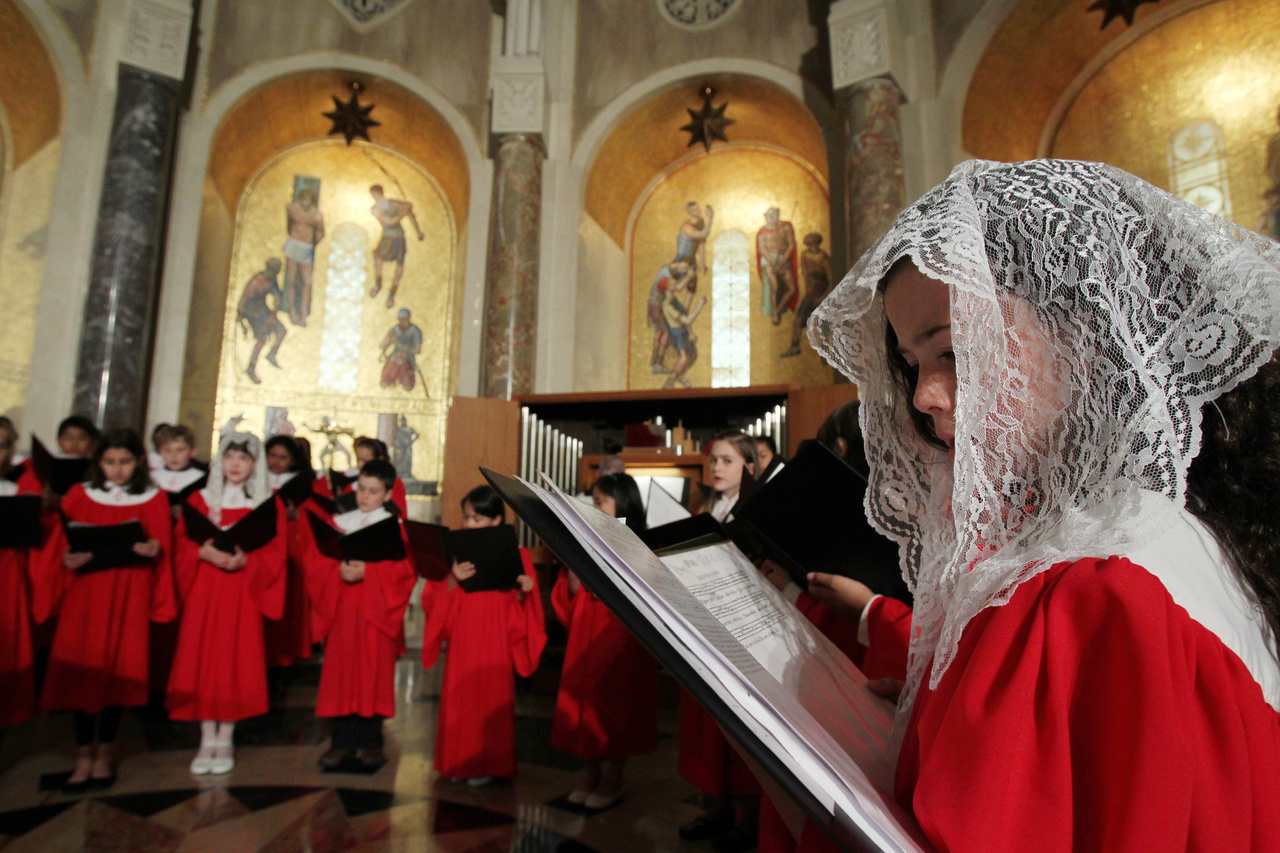
    If there is, it lies in the young Catholic converts I saw singing in the Latin Mass in Finland; in the young woman in Spain kneeling in front of the crucifix during a Corpus Christi procession; in the young woman in Germany playing the piano at church. They are the future, whether they know it or not.

    And not necessarily because they are better or more moral than their blue-haired brethren, but simply because the blue-haired, tattooed, pierced folks will likely have zero or few children — if they even marry at all, I mean someone of their own sex — while those Catholic young men and women are more likely to form large families one day.

    But, more importantly, even if they don’t have any children themselves, they are establishing the foundations of a more stable society based on stable, time-tested values. Blue-haired, pierced, socially atomized individuals who marry holograms or anime characters may even have a nice personality, but as a collective they don’t lead to any kind of society that can last.

    Interested in my take on other recent movies? Read this one about “Belfast” and Miyazaki’s “The Boy and the Heron”. There are also other articles there at contrarium.org.

    Want more content about something specific? Subscribe or comment.

    Interested in my documentary about European birth rates? It’s just above!

    Want to buy classic books in new, annotated and illustrated editions? Buy them in our shop or at Amazon.

  • Articles - Cinema - Featured - Psychology - Women

    The Birth Rate Crisis: There’s something about Modernity

    Perfect Days

    “Perfect Days”, Wim Wenders’ latest movie set in Tokyo, is a very poetic, minimalistic film about finding joy in the simple things of life. (I am usually not a great fan of Wenders, but this is a good one).

    In the film, the main character works as a public toilet cleaner, although his education level seems to be relatively high. He’s an avid reader (Faulkner, Highsmith), an amateur photographer, and he enjoys listening to alternative American music from the 1960s and 1970s (Nina Simone, Lou Reed and The Kinks are the main hits of the soundtrack that he plays from cassette tapes in his car while driving to work). Excepting one Japanese song and at least one Japanese book, most books and songs shown in the film are by Americans, so this looks like a demonstration of how Americanized Japan has become, although that might be a generational thing: it represents the Japanese who came of age in the 1960s/1970s, of which writer Haruki Murakami might be another example. (Today, it’s in large part the American youth who watches Japanese animes and gets “Japanized”.)

    The main character is a single man in his 50s living alone in Tokyo. He has no children and apparently has never married, although the film implies he had some form of relationship with a woman years ago. His only family connections seem to be a sister and a niece he rarely sees.

    The film is not really about the appalling birth rates in Japan, nor about the increasing loneliness in modern Japanese cities. But characters like the one in the movie, once an exception, must be very common now. A recent survey informs us that “More than one-third of unmarried Japanese adults in their 20s to 40s have never been in a relationship and one-fourth have no intention of ever getting married.”

    It’s no wonder that Japan has one of the lowest fertility rates in the world.

    Why don’t Japanese people want to marry? For men, the alleged main cause was “the financial strain of married life”. For women, “they do not want to compromise their freedom and independence.”

    Freedom and independence, eh? How’s that working out for women, though? Most women appear to be increasingly unhappier than they were decades ago. In the following article from a left-leaning site, they call it a “paradox” and say that it is “strange”:

    Something strange is going on in women’s happiness research. Because despite having more freedom and employment opportunities than ever before, women have higher levels of anxiety and more mental health challenges, such as depression, anger, loneliness and more restless sleep. And these results are seen across many countries and different age groups.

    But who says it is a paradox? Isn’t it more likely that “freedom and employment” don’t lead to happiness, and that marriage and babies, while no guarantee of “happiness” either, at least give a more concrete sense of long-term satisfaction?

    As a fan of Ozu movies, I make a case that Japan should just go back to arranged or semi-arranged marriages. (By the way, in Ozu’s “Late Spring” there’s a good speech by the father about marriage.)

    Not just the Japs

    Japan may be an extreme case, with its young men “marrying” holograms or anime characters. But neighbouring South Korea has an even lower birth rate — and Asia is far from alone in that trend. In fact, most of the world, excepting perhaps Africa and India, is on a downward population trend. All Western countries right now, and many non-Western too, have below-replacement birth rates. Some, such as Germany or Italy, are dangerously close to the levels of Japan and South Korea.

    And recently even France, which for years used to be an exception with more robust birth rates — although that might have been caused by the influx of foreign migrants that the French government doesn’t like to count in its statistics — now had a “baby bust” with the lowest number of births since World War II.

    But why?

    There are lots of reasons, of course. Some are biological — micro-plastics, whatever they put in our food and water, vaccines. Some are economic — higher living costs and uncertainty about the future. Some are social — feminism, urbanization, loss of religion.

    The biological and economic causes warrant some investigation, but I’d say that the social causes are the most important ones.

    The loss of religion by itself seems to he a huge part of it. The groups with higher birth rates tend to be the most religious ones: the Amish, traditional Catholics, practising Muslims, Orthodox Jews. Having and taking care of several children is not easy. The idea of having a higher purpose in life beyond personal happiness certainly helps, as this memorable dialog from Tarkovsky’s “Nostalghia” reminds us: “I know, you want to be happy. But there are more important things.”

    Several years ago, I did a short documentary that no-one watched about exactly that issue. It was called “Childless in Europe” and you can watch it below.

    And Feminism?

    Feminism didn’t help either. Women, in the end, are the ones who decide if they will have children or not. And most are deciding not to, either because they prefer to focus on their career and marry later, or because they decide that having children interfere with their search for happiness, or because they consider marriage a form of prison, or… Who knows? Fact is, wherever feminism flourishes, the birth rate goes down.

    On top of that, there is a growing dissatisfaction between the sexes. Men and women no longer seem to understand each other. Many Western women, in particular, seem to have become totally unaware of what men want, and even of what they themselves want. A viral video recently showed a typical modern young Western woman saying that she “doesn’t cook, doesn’t clean, and doesn’t bring anything to the table in a relationship except her looks and personality”. Many such cases. Sad.

    Of course the men’s reaction is not much better, divided into either virgin MGTOWs or chad PUAs — both awful lifestyles that do not lead to higher birth rates, but rather increase even more the problem. Sexual liberation ends up being bad for both sexes.

    (This is not even new, as J. D. Unwin’s “Sex and Culture”, published in 1934, observed that sexual liberation and the end of strict monogamy always led to cultural decay).

    The role of digital technology

    Technology, and in particular digital technology in the form of social media and smartphones in general, might also be a factor.

    I don’t know the exact mechanism, but it seems that the more we live in the digital world, the less we want to interact with real people in real life. Some people even prefer to have “AI girlfriends” and pay for them.

    Autism is growing (although that could also be an effect of vaccines). Many young people no longer know how to communicate face to face.

    We have evolved into a society that talks a lot about sex, and inflicts graphic images of sex even on teenagers and children, but more and more it seems to be just images and talking. Narcissistic posturing. The more people talk or fantasize about sex and about their “sexual identity”, the less they seem to actually have sex, much less procreative sex.

    Many young people seem to make themselves ugly on purpose, consciously or subconsciously, with tattoos, blue hair, pink hair, piercings, nose rings. It might be a subtle, or perhaps not so subtle, way of avoiding sexual interest from others and further social interaction. Safer to interact just from behind a screen.

    Even prostitution has receded mostly to cams, nudes and other interactions at a distance. OnlyFans is the new brothel. Phones are the new bed. Everything is virtual.

    If it goes on like that, a few European ethnicities could disappear in the not too distant future, either by mixing into the general globalized gene pool or simply by failing to reproduce in enough numbers.

    No children.

    Is there hope?

    If there is, it lies in the young Catholic converts I saw singing in the Latin Mass in Finland. In the young woman in Spain kneeling in front of the crucifix during a Corpus Christi procession. In the young woman in Leipzig playing the piano at church. They are the future, whether they know it or not.

    And not necessarily because they are better or more moral than their blue-haired brethren, but simply because the blue-haired, tattooed, pierced folks will likely have zero or few children — if they even marry at all, I mean someone of their own sex — while those Catholic young men and women are more likely to form large families one day.

    But, more importantly, even if they don’t have any children themselves, they are establishing the foundations of a more stable society based on stable, time-tested values. Blue-haired, pierced, socially atomized individuals who marry holograms or anime characters don’t lead to any kind of society that can last.

    Latin Mass.


  • Articles

    Farmers vs Davos: the final battle?

    Farmer protests in Germany, France while the WEF meets

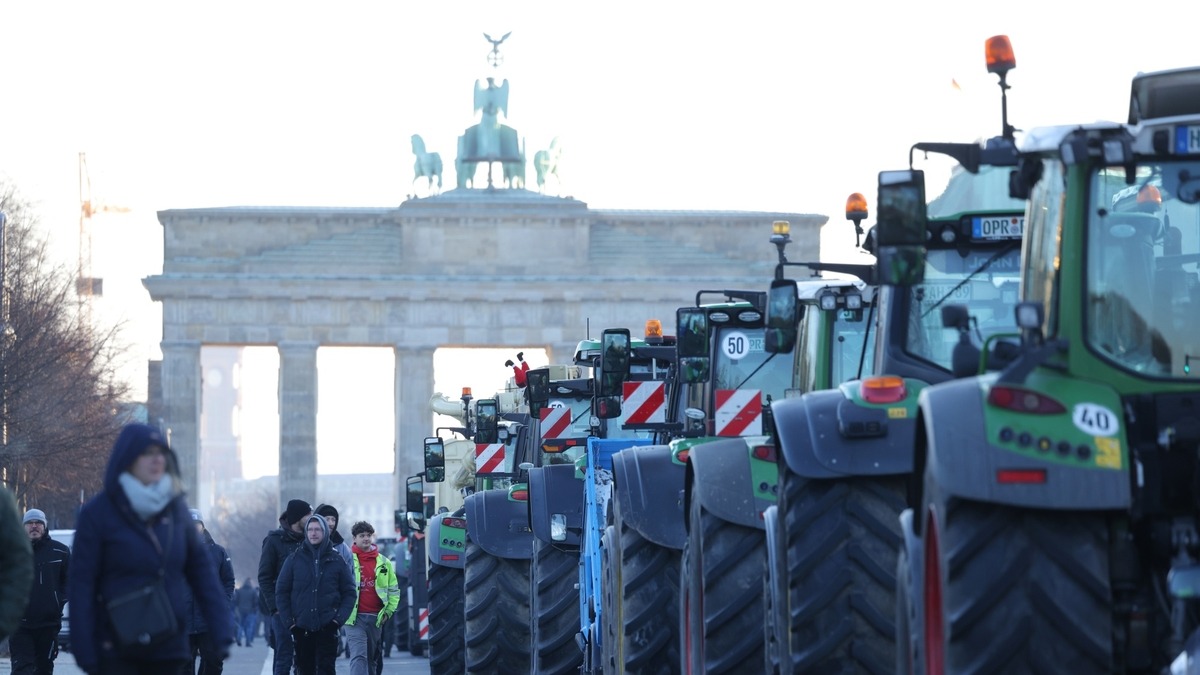
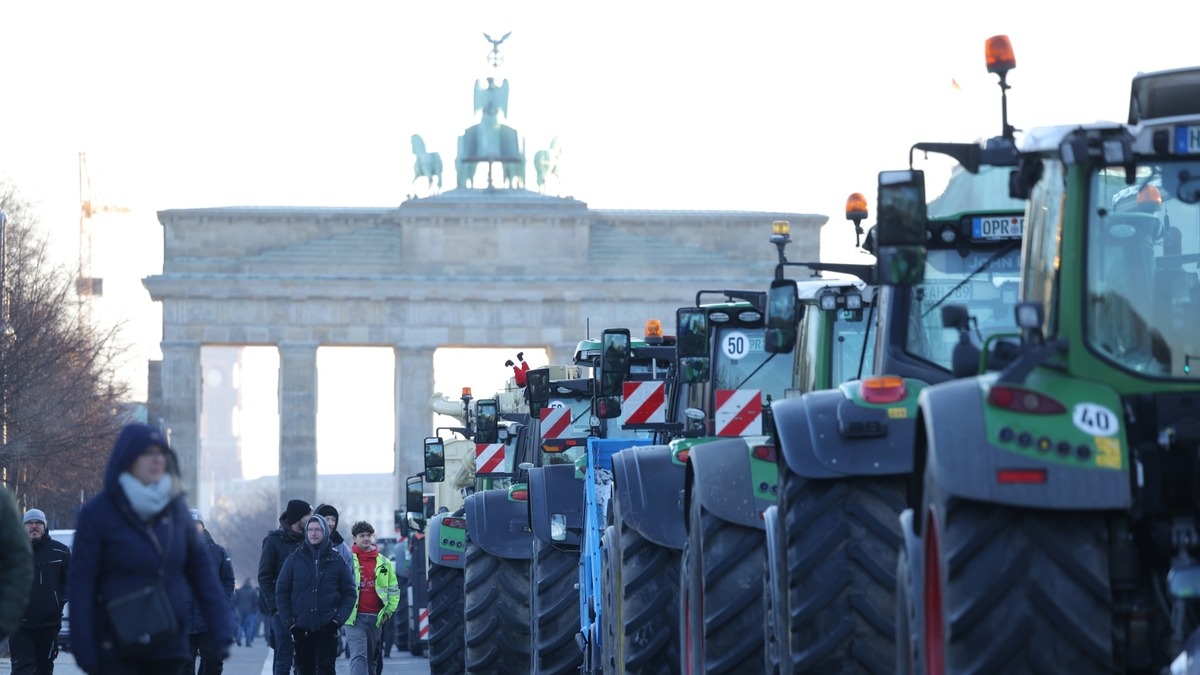
    There are still ongoing protests by farmers in Germany. Just two days ago there was a big crowd protesting in Berlin. While they caused some traffic interruption, and for three days the railway workers also joined the strike, causing even more confusion, most people seem to support the farmers.

    Apparently the workers of big companies such as Amazon, who complain about bad working conditions in the German warehouses, joined in too.

    Some protesters were beaten by the police. Anger is growing. Some even say that a few politicians might resign. Others say it’s getting close to a revolution.

    But you wouldn’t know any of it from the media.

    Even Deutsche Welle, which is the main news media site about Germany in English, had nothing about it on its main screen for days, even as the crowds took over Berlin. (Tageschau and other German-language sites were a bit better)

    Other mainstream media sites, such as as CNN and the BBC, did post about the protests, but associating them with some kind of “dangerous far-right movement”. Which is, of course, mostly nonsense. While some parties such as the AfD want to take political advantage of it, this seems to be mostly a grassroots movement. And it is interesting that it is taking place just as Davos starts.

    What are the farmers protesting?

    The Scholz government is instituting several austerity measures which include cutting subsidies for farmers, most importantly, a subside that they receive for buying diesel for their tractors and other machines.

    The economy in Germany is not doing very well lately. I guess you can understand why. Germany, once the major European powerhouse, has been shooting itself in the foot for years.

    Let’s see — first there was the first large migrant wave in 2016, with the government spending billions to “welcome refugees”.

    Then there were the Covid lockdowns, which were extremely harsh in the country and led to the closure of many small businesses.

    Then the whole “climate change” activism, which is very strong in Germany and made the government close nuclear plants and even coal plants.

    And then, of course, the Russia-Ukraine war, which led to sanctions against Russia, which, however, mostly harmed Germany as its economy depended a lot on Russian gas.

    And yet… Germany is still sending a lot of money and weapons to the Ukraine. They have no idea where the money or the weapons are going, but they are sending it.

    They are even sending a ship to Yemen. And some more weapons to Israel too, just in case.

    And they are still spending a lot of money hosting their millions of refugees — now not just Syrian or Afghani, but Ukrainian too.

    But who pays the price for all that reckless spending?

    Well, you, the taxpayer, of course. Who else?

    If the farmers lose their subsidies, they will just try to pass the extra cost to the consumers. Food will become more expensive. In fact, it already is.

    Of course, all that is “according to plan”. After all, it’s not just Germany. The Netherlands, France, and even Canada and the U.S., have been in the same bandwagon of passing several laws that are not so great for farmers, and protests have happened or are happening in some of those countries too.

    See, if the food gets more expensive, or even if there’s no more food, more people will get poor, and as they get poorer, they will get even more indebted. Eventually, they will lose their land or their house.

    And then a few rich people can buy it all. Same old, same old.  

    The rich get richer and the poor get poorer.

    The orders might have come directly from Davos.

    And, in fact, just next door in Switzerland, as farmers and workers protest, several rich people and world leaders are partying and boozing, at the same time that they give speeches about austerity and about the importance of sending even more weapons to the Ukraine, just as they buy all they can buy there, on the cheap. Blackrock owns the country by now. But it’s not enough. They want France, Germany, Italy, Spain too.

    The friendly folks at Davos — always so concerned with our health — are also starting again with the scare-mongering about a new pandemic: something they call, for now “Disease X”. (Hmm. Is that a plug-in for Musk’s new name for Twitter?)

    As long as they can, they will keep on saying:

    “You will get poor.

    You will own nothing.

    You will stay in your room.

    You will pay for war.

    You will have no food.

    You will eat the bugs.

    And you will be happy.”

  • Germany

    Farmers vs Davos: the final battle?

    There are still ongoing protests by farmers in Germany. Just two days ago there was a big crowd protesting in Berlin. While they caused some traffic interruption, and for three days the railway workers also joined the strike, causing even more confusion, most people seem to support the farmers.

    Apparently the workers of big companies such as Amazon, who complain about bad working conditions in the German warehouses, joined in too.

    Some protesters were beaten by the police. Anger is growing. Some even say that a few politicians might resign. Others say it’s getting close to a revolution.

    But you wouldn’t know any of it from the media.

    Even Deutsche Welle, which is the main news media site about Germany in English, had nothing about it on its main screen for days, even as the crowds took over Berlin. (Tageschau and other German-language sites were a bit better)

    Other mainstream media sites, such as as CNN and the BBC, did post about the protests, but associating them with some kind of “dangerous far-right movement”. Which is, of course, mostly nonsense. While some parties such as the AfD want to take political advantage of it, this seems to be mostly a grassroots movement. And it is interesting that it is taking place just as Davos starts.

    What are the farmers protesting?

    The Scholz government is instituting several austerity measures which include cutting subsidies for farmers, most importantly, a subside that they receive for buying diesel for their tractors and other machines.

    The economy in Germany is not doing very well lately. I guess you can understand why. Germany, once the major European powerhouse, has been shooting itself in the foot for years.

    Let’s see — first there was the first large migrant wave in 2016, with the government spending billions to “welcome refugees”.

    Then there were the Covid lockdowns, which were extremely harsh in the country and led to the closure of many small businesses.

    Then the whole “climate change” activism, which is very strong in Germany and made the government close nuclear plants and even coal plants.

    And then, of course, the Russia-Ukraine war, which led to sanctions against Russia, which, however, mostly harmed Germany as its economy depended a lot on Russian gas.

    And yet… Germany is still sending a lot of money and weapons to the Ukraine. They have no idea where the money or the weapons are going, but they are sending it.

    They are even sending a ship to Yemen. And some more weapons to Israel too, just in case.

    And they are still spending a lot of money hosting their millions of refugees — now not just Syrian or Afghani, but Ukrainian too.

    But who pays the price for all that reckless spending?

    Well, you, the taxpayer, of course. Who else?

    If the farmers lose their subsidies, they will just try to pass the extra cost to the consumers. Food will become more expensive. In fact, it already is.

    Of course, all that is “according to plan”. After all, it’s not just Germany. The Netherlands, France, and even Canada and the U.S., have been in the same bandwagon of passing several laws that are not so great for farmers, and protests have happened or are happening in some of those countries too.

    See, if the food gets more expensive, or even if there’s no more food, more people will get poor, and as they get poorer, they will get even more indebted. Eventually, they will lose their land or their house.

    And then a few rich people can buy it all. Same old, same old.

    The rich get richer and the poor get poorer.

    The orders might have come directly from Davos.

    And, in fact, just next door in Switzerland, as farmers and workers protest, several rich people and world leaders are partying and boozing, at the same time that they give speeches about austerity and about the importance of sending even more weapons to the Ukraine, just as they buy all they can buy there, on the cheap. Blackrock owns the country by now. But it’s not enough. They want France, Germany, Italy, Spain too.

    The friendly folks at Davos — always so concerned with our health — are also starting again with the scare-mongering about a new pandemic: something they call, for now “Disease X”. (Hmm. Is that a plug in for Musk’s new name for Twitter?)

    As long as they can, they will keep on saying:

    “You will get poor.

    You will own nothing.

    You will stay in your room.

    You will pay for war.

    You will have no food.

    You will eat the bugs.

    And you will be happy.”

  • Film

    A few recent movies

    Sometimes I’m not completely sure if “they don’t make movies like they used to” or I am just getting old and grumpy. Probably a combination of both.

    Yesterday I started watching “Everything Everywhere at the Same Time”, or however it’s called — you know what I’m talking about, as it won the previous Oscar and was on the top of the list at the BBC, NYT and many film magazines as “the best film of 2022”.

    Well, I guess that’s why I don’t trust the NYT or BBC. I couldn’t stand more than 30 minutes of it.

    The film was just too stupid and obnoxious. Plus, the overcomplicated but stupid plot wasn’t helped by having it explained by characters speaking English with a Chinese accent.

    So I switched to Kenneth Branagh’s “Belfast”, and the best I can say about it is that at least I could finish it.

    But… Meh.

    I mean, it’s not a completely bad film, I suppose it is well-done, but… Just a bit too mawkish, sentimental and fake to me, not to mention simplistic.

    Yes, it’s supposed to be one of those “the complicated world of the adults as seen through the point of view of a child“ (as if we hadn’t seen tons of films like that), but the problem is that it’s not a real child, it’s a screenwriter’s view of a child. Children don’t talk like that. Hell, old people don’t talk like the grandfather and grandmother either. Sometimes artificiality can work too, but I don’t think it does in this case.

    More on the technical side, the black-and-white cinematography is not even remarkable, just bland… And I love black and whit movies, except when they’re done for no other reason than to be “artsy” or “nostalgic”. (In this case, I think it was done just to copy “Roma”).

    In terms of art direction… The street doesn’t seem authentic, but more like a backlot of a studio, which I suppose is what it was. Everybody is just too perfect, too good-looking, too good. Is that really how working-class Northern Ireland back in the 1960s looked like?

    I don’t know, but I’d guess than in a real working-class neighbourhood of the time grandpa would be a raging alcoholic beating granny, the mom would be more of a whiny bitch and the father a gambler, the streets wouldn’t be so clean and shiny and riots wouldn’t be choreographed like in a musical. (For a more realistic example of real working-class life, see Bresson’s “Mouchette”)

    And, finally, there’s the usual forced diversity with a black cop, an Indian shopkeeper, some sort of mixed-race teacher and a couple of Asian children… Sure, they are only background characters, you barely see them with the corner of your eye, but perhaps it’s even more insidious like this, like an attempt to get you to accept diversity through “subliminal conditioning”. Unless there is now a clause in the contracts for all Hollywood movies that you just have to hire at least some non-white characters in every film?

    Regarding the historical point, I thought the following commenters from IMBD were right in their assessment of how the movie treated the issue of the “troubles”:

    Kenneth Branagh does not claim that his family actively opposed vigilante violence or that they took risks to defend Catholic neighbors– which would have made for a compelling narrative of valor and self-sacrifice. Instead, we see that his father didn’t want his family conscripted into a Protestant mob (good on him) and sought a better life for all of them ‘across the water.’ Sincere congrats to them, but I’m not sure I detect either heroism or a valid movie premise here, and I certainly don’t detect any sophisticated or nuanced political/social commentary about the troubles.

    And:

    Second, and more seriously, the film maker is reducing a messy, tangled political morass into a Hollywood Western morality play as if the radical Protestants were Pure Evil and the moderate Protestants were, well, Gary Cooper (And, by the way, where are the friggin Catholics in this film? It’s like making a movie about the French and Indian War and leaving out the Indians).

    Indeed — if, like me, you’re not Irish but you were expecting to learn more about the “troubles” in Ireland in the 1960s, this is not the right film for you.

    So, any good movie recommendation? Well, I would recommend Bresson’s “Mouchette”, which I loved and will write more about later, but that’s from 1967. But I did watch and liked the recent Miyazaki movie, “The Boy and the Heron”. Sure, it is not as good as “Chihiro’s Journey” (aka “Spirited Away”) or “Ponyo” (I love this one, even though I think many don’t), and it has a slightly overcomplicated plot and some esoteric stuff which will probably fly over the head of all children and most adults, but it still has that old Miyazaki magic. So that’s my recommendation for you.


  • Animals - Articles

    The end-of-the-year report

    So let’s conclude with our end-of-the-year report.

    The posts with most viewers here were the ones about politics, AI and immigration. The least viewed ones were the ones about travel or obscure movies.

    I am not sure what it means. I normally prefer to write about travel or obscure movies, but most people obviously prefer political rants, and I can understand that.

    Viewership and number of subscribers have stationed at around 100. I’m not good at marketing and I have little understanding of my own audience. I don’t know what the reader wants. Any feedback? I honestly have no idea who reads this.

    I read or watch very little mainstream media sites, and whatever I read there, I don’t trust. Most of what I read comes from alternative news sites, and even those, I don’t fully trust either. But most people still live in that other universe, and sometimes I forget that.

    In the video channel, we have 24,000 subscribers, but viewerships have also stationed between 1,000 and 2,000, depending on the theme.

    The most successful videos were, once again, the ones about war or politics. But I am trying to focus more on other issues and the culture at large. Maybe start doing interviews and some more original content — we will see. I still need to finish my documentary about Finland.

    Among our self-published books, which you can buy at contrarium.org/shop or Amazon, we sold a total of 102 books. The best-seller was Hilaire Belloc’s Cautionary Tales for Children, with a whopping 60 books sold. In second place, perhaps surprisingly, is Strindberg’s A Blue Book, with 18 books sold. Then Dark Fairy Tales, with 12 books sold, and The Snow Queen, with 5 books sold but in just a month, confirming that illustrated children’s books are usually the favourites. Then my own 2020 non-fiction book, Our Pets and Us, with 4 books sold last year as well. A few of the others sold 1 or 2 each.

    We also sold several numbers of Geist magazines through the site’s shop. Not sure how many, but a few dozens. The last number came out on Spring 2023. No plans for a new magazine for the moment, but we will see.

    All in all, it was not a completely bad year. Next year will be better.

    In fact, everything must change. Things have remained stale for far too long.

    I leave you with pictures with cats from Italy and Spain taken during the last few weeks. In the old days, pictures of cats used to be the most popular thing in the Internet. Now it’s all about promoting fear and genocides 24/7.

    But things will improve — eventually.

    Happy New Year to all.

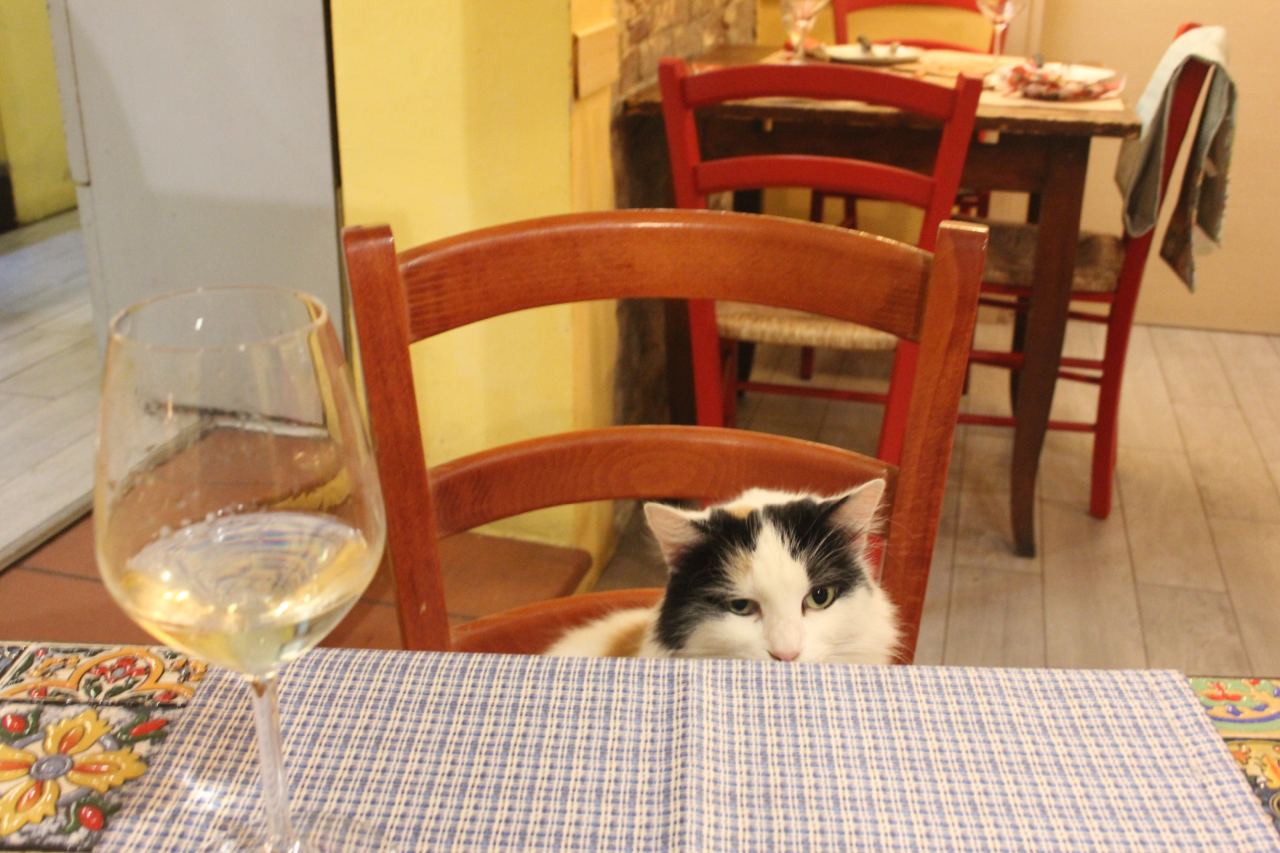
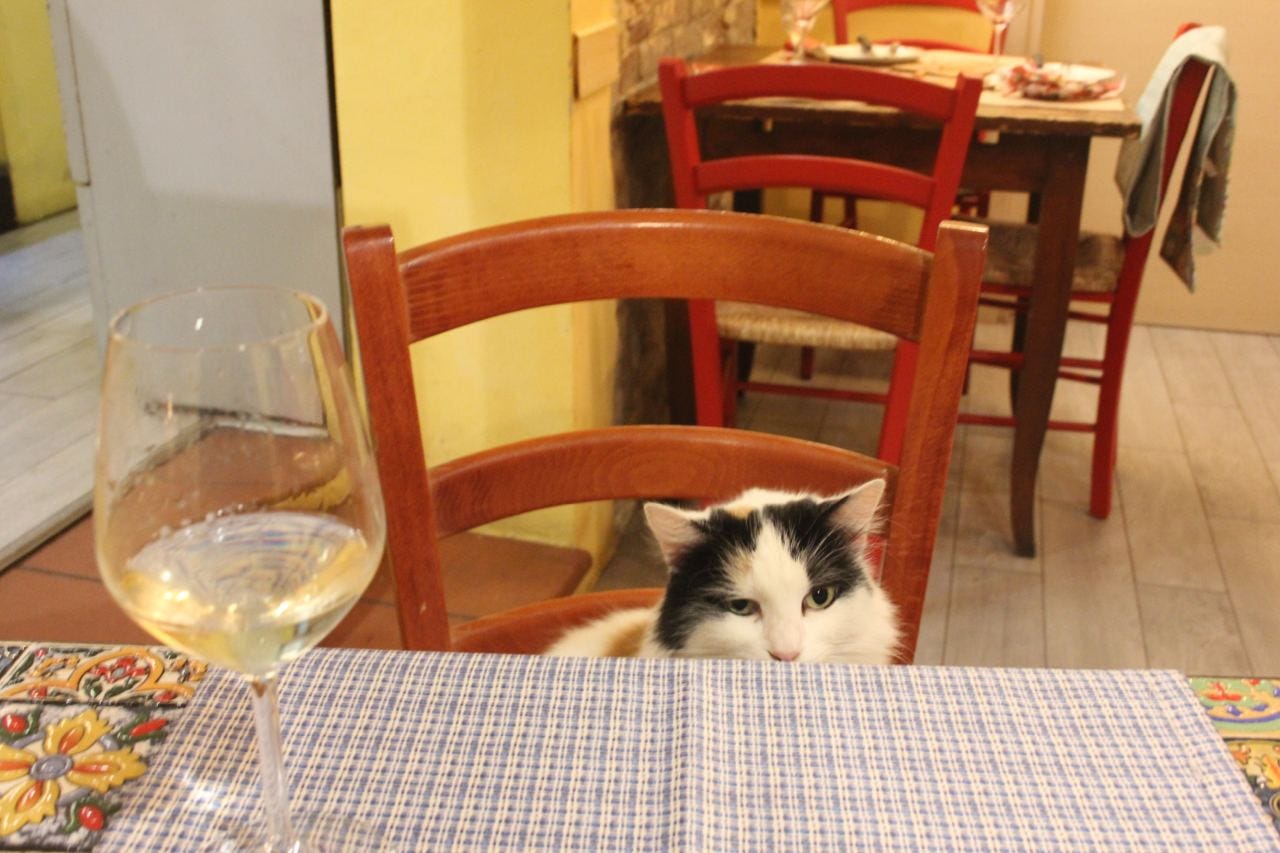
    Cat in La Bottega, San Gimignano.

    Cat walking in SG.

    Other cats sunbathing in a truck.

    Cats under the Tuscan sun.

    Cat in Spain.

    Another Spanish cat.

    Spain again. Let 2024 be a year of fat cats.

  • Articles - Italy

    Hedgehogs in the Fog

    Getting a flu with heavy cough just as I was preparing to travel from Italy to Spain, I bought a pot of delicious “linden honey from the tuscan hills” to sooth my throat, but it was confiscated at the Amerigo Vespucci airport on Uncle Sam’s orders.

    Apparently, even solid-type honey counts as a “liquid” and cannot be transported. I offered to taste it in front of the agents to prove that it was not any kind of explosive device, but it was useless. Rules are rules, even when they are completely nonsensical.

    The “no liquids” rule on flights was created in 2006, following the discovery by British authorities of a supposed “Al Qaeda” plot to blow up planes using hydrogen peroxide (which reminds me, I also had pharmaceutical hydrogen peroxide in my bag, which was also confiscated, perhaps with more reason) and other flammable liquids hidden in soft drink bottles.

    Of course, now we know that “Al Qaeda” was mostly an invented boogeyman, Bin Laden was a CIA agent who was not responsible for 9/11 and who was not killed and “buried at the sea” by U.S. Navy Seals, and that a lot of of those “terrorist plots” were actually created or at least promoted by the same authorities that were supposed to combat them. Besides, in any case today there’s already a technology that allows for scanning and identifying all kinds of liquids, but no matter. The nonsensical rule continues to be enforced in most airports. (I wonder if it’s just something pushed to make passengers only buy stuff at the more expensive Duty Free shops).

    At least they mercifully stopped with the masks and vaccine passes. The “war on terror”, just as the “war on viruses”, which are really both ways of “war on normal life”, must go on.

    In the meantime, Uncle Sam spent last year one million dollars in a study trying to turn monkeys transgender. Apparently, it’s not enough for the U.S. to turn every child in the world into a transsexual, they have to do it to the long-suffering Rhesus monkeys too. Of course, that’s just pocket change compared to the billions sent to the Ukraine or to Israel to help them bomb Palestinian children and shoot Christians.

    If America contained its madness into itself it would be already bad enough, but they want to export it worldwide, and spare no effort or newly printed money in the process. Critical Race Theory, George Floyd Riots, school shootings, transgender-mania, mass migration, radical feminism, “woke casting”, every bad idea seems to start in America and then is pushed to everyone everywhere, from Egypt to Uganda. No one is safe.

    Sure, we cannot just blame America. The whole West, lulled by its relative prosperity, is willing participant in the madness. People in the West are so apathetic they even forget to reproduce themselves, and many countries are having negative population growth (no matter, they can be replaced by hordes of Asians and Africans, we’re just numbers). In Canada, however, population replacement by migration is now considered too slow a genocide, so they are pushing euthanasia too, for anyone over the age of 18 suffering from depression, anorexia or drug addiction.

    What cannot go on forever, probably won’t. At some point the madness will end, but who knows how many people will have been killed, hurt or psychologically damaged before it happens.

    But hey, it’s Christmas. It’s a time for hope and joy, so let’s celebrate what we can. (I’m a bit grumpy because of my flu, but I love Christmas).

    As I left Siena early in the morning, it was so foggy you could barely see ten steps ahead, which reminded me of the beautiful animated short movie by Yuri Norstein, “Hedgehog in the Fog“. It is a deceptively simple story about a hedgehog who, on the way to visit his bear friend, gets lost in the thick fog of the forest. As he tries to find his way through the unknown, like all of us, he wavers between fear, surprise and occasional wonder. (Spoiler: in the end, he finds his way. We will find it too.)

    Merry Christmas to all.

    Foggy Siena
    Il Campo in Siena.
    Young Italian student reading “1984” on the train.
    The Virgin, Jesus and… a duck?
    Ironic nti-vaxer poster in Lucca.
    Ironic anti-immigration poster in Lucca.
    Mural painting about the Gaza massacre in Lucca.