• Italy - News

    Italy: Crime increasing in Milan

    Source: Ansa, Corriere

    The province of Milan was confirmed at the top in a recent 2022 Crime Index among 107 Italian provinces.

    It is the territory with the most thefts for every 100 thousand inhabitants, especially in shops and parked cars; the metropolitan city is also the seventh in reports of sexual violence, second for robberies in the street, and third for gangs and criminal association.

    While the number of murders is down, robberies and sexual crimes are increasing, mostly in the peripheries where there are more immigrants, many of whom haven’t successfully integrated.

    Near the main train station and in the touristic zones, gypsy pickpockets are common. According to the Corriere della Sera, most of them come originally from Bosnia, Croatia and Serbia and live in the periphery of town.

    While the women steal the purses, the men divide the money and plan which areas to attack next. They usually prefer to rob distracted tourists, and, according to one criminal, “Japanese tourists are the best”.


  • Germany - News

    Germany: Mayor wants refugee containers on school premises against parents’ wishes

    Source: WDR

    The city wants to place housing containers on the site of a school centre, in order to accommodate 80 refugees in the future. Many parents see this as endangering the safety of their children.

    Due to the increasing number of refugees, the city of Monheim plans to accommodate 80 refugees in an existing container facility on the site of a school, starting from next spring.

    However, many parents are outraged by this and have also expressed their displeasure in the Council meeting’s population. Mayor Daniel Zimmermann, however, decided to keep on with his plans.

    Zimmermann cites, among other things, the low conversion costs of the container system, of 150,000 euros, with the possibility of using also additional classrooms. The refugees are “people like you and me” and are neither dangerous nor endangered, said Zimmermann, who rejected the parents’ demand for security.

    Since the increased admission in 2015, there have been no problems with refugees in the city, said a spokesman for the city administration. More than 80 percent of the currently 830 refugees are accommodated in rented apartments, “but we are simply not going to be able to keep paying the rental”, the speaker continued.

    In addition, no other urban areas are currently free to use for refugee accommodation. The rental of a property or the implementation of the containers are significantly more expensive than the container solution.

    Parents are concerned about safety

    Many of the approximately 80 parents present, whose children attend the school there, expressed concerns at the council meeting, even about rape or abuse, fearing conflicts with traumatized refugees and thus stress for their children. Zimmerman called these fears “unfounded”.

    According to the city, the mayor wants to seek a conversation with the outraged parents again in the next few weeks, for example at parents’ meetings. According to Zimmermann, this will not change the city’s decision to accommodate refugees in the containers on the school premises.

  • Articles - Sweden

    The Gangs of Stockholm

    In 1927, Herbert Asbury published The Gangs of New York, a non-fictional book detailing the history of several gangs active in the New York area from the mid-19th century to the early 20th century. 

    Martin Scorsese made a film out of that, but the film is mostly a fictional interpretation (and probably not one of Scorsese’s best, although it does have a memorable performance of Daniel Day-Lewis as Bill the Butcher). 

    The book, is, at least supposedly, more factual. Many gangs were Irish, but there were also nativist anti-Irish gangs, Dutch gangs and Jewish gangs. There were also a few Italians, but Asbury’s book is mostly about an earlier period, before the Italian mob basically took control of organized crime during the prohibition era. 

    Many gangs had funny names, such as the Dead Rabbits, the Bowery Boys, the Plug Uglies, the Gas House Gang, the Daybreak Boys. 

    There was also the Mandelbaum Gang, led by Federicka Mandelbaum, which had the interesting and unusual characteristic of consisting of only female criminals — pickpockets, con artists and shoplifters, mostly of Jewish and Irish origin. 

    Well, I was thinking that perhaps it is time to write a new book called Gangs of Stockholm, so we can better understand what is going on there. 

    This is an article from today, from the BBC news. 

    Sweden gangs: PM summons army chief after surge in killings

    Sweden’s prime minister has summoned the head of the armed forces to help curb a surge in gang killings.

    It comes after a bloody 12 hours that saw two men shot dead in Stockholm and a 25-year-old woman killed in a blast at home in a town north of the capital.

    “We will hunt the gangs down and we will defeat them,” PM Ulf Kristersson promised in a rare televised address.

    The article mentions something about immigration at the bottom, but they are not very clear about it. 

    Who are those gangs? Are they vikings? Is it Olaf versus Harald? 

    Well, digging a bit more in other sources, we find that one of the main gangs is the so called Foxtrot network, which is led by some guy called Majid, also known as the Kurdish Fox. The media calls him “Swedish”, because he was born in Sweden, and sometimes they call him Turkish, because he appears to be now living in Turkey. But both his parents are Iraqi Kurds. 

    Then you have the Varby network, led by a Moroccan guy, the Naserliga, which is Albanian, the Falangen which seems to be a Bosniak gang, the Black Cobra, which is Iraqi, the Werewolf Legion, formed by Africans and South Americans, then there are some motorcycle gangs such as the Bandidos or the Brotherhood, which seem to be mostly of ethnic swedes, and then you also have the Chosen Ones, which, despite the name, according to Wikipedia, is a “multicultural crime organization” led by a Gambian. 

    As they say, diversity is our strength. 


  • Articles - Spain

    The Kiss of Death

    Spain won the Women’s soccer World Cup, but there was hardly any celebration. All the news have been concentrated on an infamous kiss given by Luis Rubiales, the president of Spain’s Football Association on one of the female players, Jennifer Hermoso. (Hermoso, by the way, means beautiful in Spanish, but opinions vary.)

    It didn’t seem like a big deal at the moment, just a celebratory peck — but, like a snowball turning into an avalanche, it grew and grew. Now the president has been fired and is under criminal investigation for “sexual assault”. The coach, Jorge Vilda, has also been fired, even though he had nothing to do with the kiss. And perhaps other heads will roll.

    Even if the kiss was unwanted, and was a bit of an awkward moment, was that really a big deal? It wasn’t a French kiss, it wasn’t certainly a rape, just a celebratory peck. Now, it is known that even prostitutes don’t like to be kissed on the lips because they consider that too intimate. And that the head of the football organization kissed a player, in public, with or without consent, was probably inadequate. But still, wouldn’t it have been better to just get an apology, let it go, and get on with the celebrations?

    Ah, but you forget one thing. Women love drama. It’s like cocaine for them. Anyone who has had any relationship with women know that, sometimes, they just love making a tempest in a tea cup.

    After all, it was not just the president. The winning coach has also been fired and replaced by a woman. His only crime appears to be being a man.

    After this confusion, it is unlikely that any man will want to be involved with the women’s team, either as a coach, trainer or executive. It is also unlikely that the Spanish team will win anything again very soon. Morale is probably very low, and the best people will think twice before joining the team.

    Some people say that we live in a new Victorian age, where any public display of sexuality is being punished. But that’s not really true. Only male displays of sexuality are forbidden. Women can be as sexual as they want. If it was a woman president kissing a male soccer player, would we have all this hullaballoo? I don’t know, but probably not.

    We live in a strange age, in which just being a male, and even worse, a white male, is akin to being a criminal. Just look at the coverage of this recent fashion show in Vogue magazine. This is what they want “masculinity” to look like. You know, I’m not very much into this kind of “manosphere” stuff, and I think I mentioned at some point that I don’t like very much Andrew Tate or Jordan Peterson, who seem manufactured personalities. But still… At some point you have to ask, what the hell is going on?

    I even think one of the reasons that some men are going transgender today is this: one of the only ways today that you can be a man and not be accused of anything, is by pretending to be a woman. Funny and sad, but true.

    Recently, actor Daniel Masterson was sentenced to life in prison for a supposed rape that took place 20 years ago. The same thing is happening to presenter Russel Brand. You know, years ago, “rape” used to mean just a violent sexual assault with a weapon, forcing a woman on the streets. But since the Weinstein case, rape can mean pretty much anything. If I remember, Julian Assange was initially arrested in Sweden for rape — but it was consensual sex, only without a condom. That was considered rape in Sweden. Now with the most recent cases, all evidence we have is the accusations of some unnamed women. That seems to be enough to convict a man. In practice, what this means is that any kind of sex that is later regretted by the woman, even if 20 years later, can land a man in jail.

    And now, with the Spanish precedent, perhaps even just a kiss will be enough.


  • Articles - Travel

    Are European cities getting better and U.S. cities getting worse?

    Last year, I visited New York and Seattle and was surprised to see so many homeless and drug addicts roaming around the streets. Public transportation seemed more chaotic than usual and the cities still were reeling with disorder and a highest cost of living. I haven’t visited other cities there recently, but many visitors tell horror stories of Chicago, San Francisco and Los Angeles, not to mention Philadelphia, where the “walking dead” filled with meth and “tranq” take over many sidewalks and live permanently in tents.

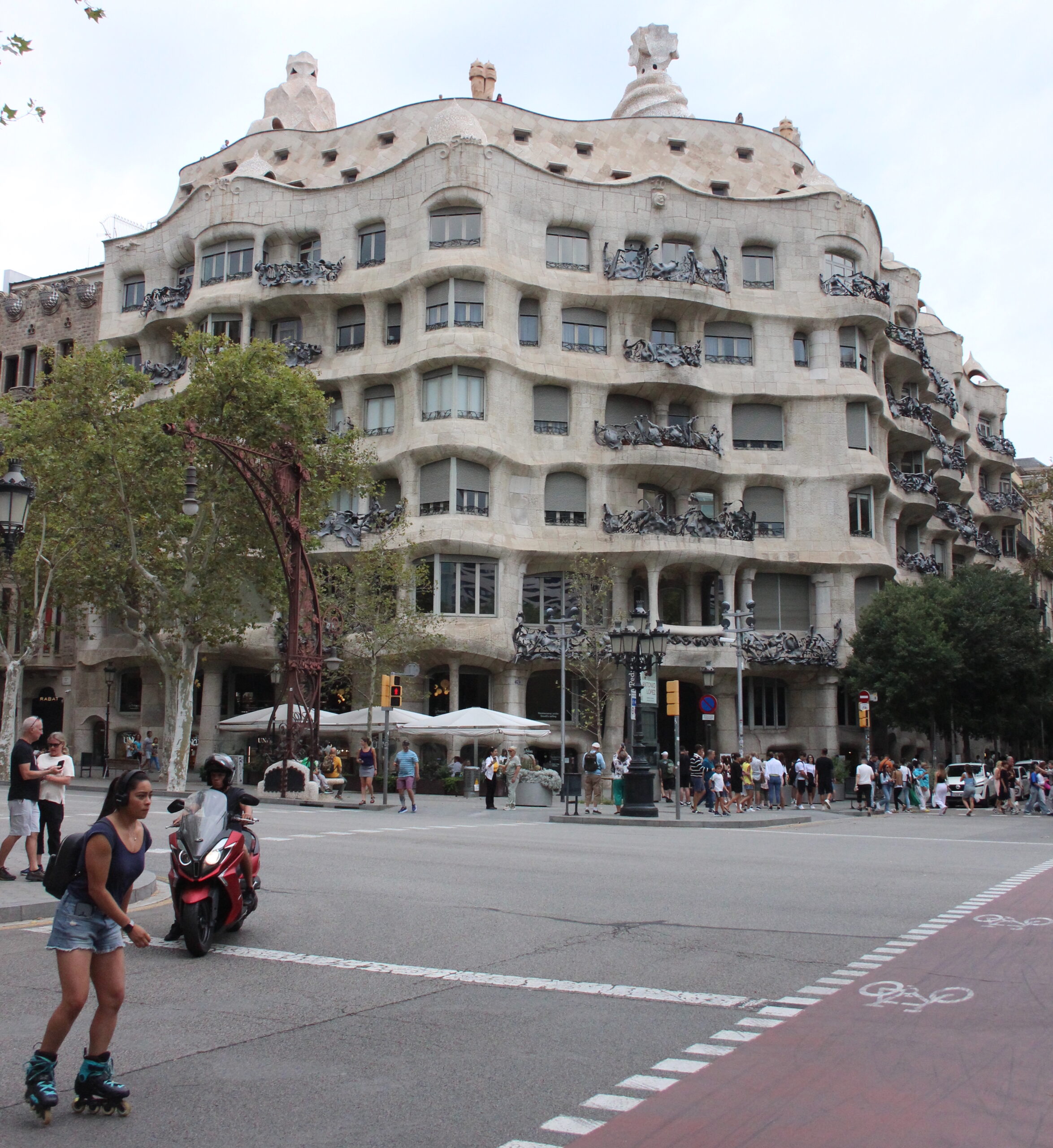
    In Europe, however, I’ve been recently to Berlin, Barcelona and Palermo, and all of them seemed to be doing pretty well. The cities were swarming with tourists, with many streets converted into pedestrian zones and full of restaurants, shops and cafes. The sidewalks looked cleaner than just a few years before, and they didn’t give a feeling of danger or decay as some American streets do these days. Sure, there were also a few beggars here and there, but not as many as in major American cities. While in the U.S. violent crime and shoplifting have lead to many store closures, in Europe this is rarely an issue, although you may need to be careful of pickpockets and gypsy pretend-beggars.

    Paris, on the other hand, seemed a bit seedier than usual, at least if you got lost in the less central neighbourhoods, although the touristic zones seem still fine. There’s a clear connection between migrant/poorer neighbourhoods and seediness, of course. Even costly Stockholm seems to have this problem as well. I don’t know if this is an issue in Helsinki. It seemed fine when I was there.

    But, in general, my impression is that in recent years, at least after the Covid psyop catastrophe ended, European cities have improved or recovered, while American cities have continued to go downhill. I don’t know why that is. I think that Americans traditionally tend to prefer living away from big cities, and during Covid many people have moved to the countryside, suburbs or small towns, which seem to be flourishing.

    Now, there is also a political division in the U.S. — Big Cities are mostly Blue or Democratic, while small towns and the countryside are Red or Republican — Trump Country. Strangely enough, during Biden’s supposed reign, Blue cities are doing worse, and Red suburbs and small towns, better.

    But, in Europe, this is not a big phenomenon — people still flock to big capital cities as small villages are abandoned. So the money and resources and jobs are concentrated there.

    Of course, many cities in Europe live off tourism, so I don’t know what would happen if that faucet was closed. They did suffer awfully during Covid, and there are some indications that some people want to bring that nightmare back.

    Another aspect that you notice is that, with globalization, all cities are becoming more or less similar. For instance, in recent years, rental scooters have become a fixture of all cities everywhere, and, with that, the risk of being hit by some fast-moving rando. Most people wear tattoos and T-shirts with vulgar messages in English (“Fuck Off” seems to be a recent favourite, I’ve seen at least two with such cheerful message just in the last two weeks), and the fast food joints are all the same. KFC seems to be having a big success in Italy, of all places, while more traditional restaurants go down.

    So perhaps, in some ways, both are getting worse, although in Europe they still maintain a higher livability, while in the U.S. the more affluent and the middle-class have fled to the suburbs and to small towns, leaving the towns to rioters and drug addicts.

  • Articles - Writers

    The fight for free speech

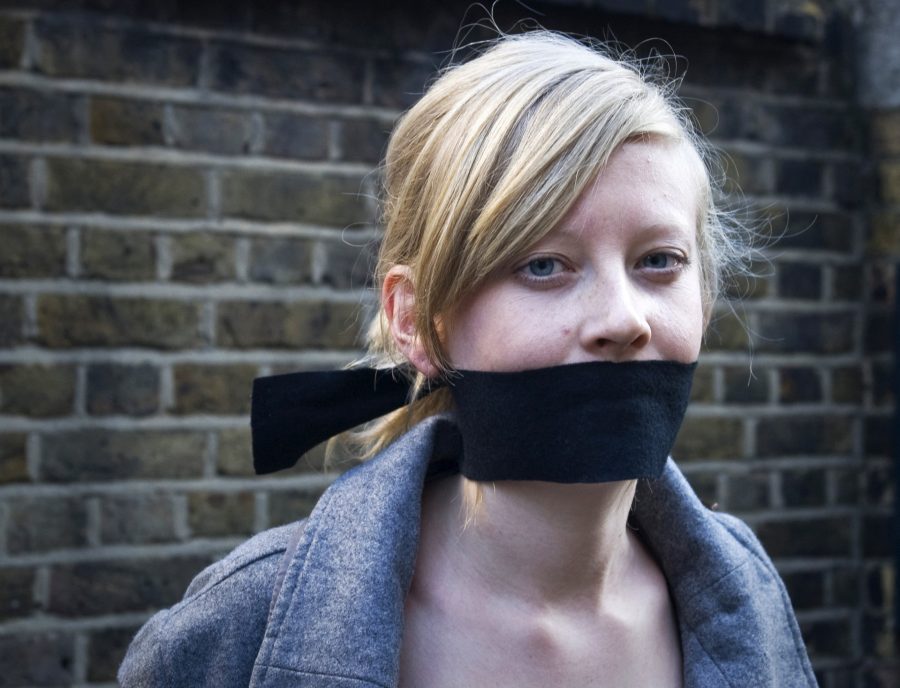
    The writer C. J. Hopkins, who is an American but lives in Germany, is being sentenced to pay a fine or face prison for a couple of tweets comparing the Covid lockdown totalitarianism to Nazi Germany. His “crime” is to have posted two tweets showing a swastika, which, as you know, can be considered a crime in Germany, even if it’s an ancient symbol that predates National Socialism by thousands of years.

    (To be honest, German laws can be a bit retarded. At some point they also wanted to prohibit using the letter Z, as it was considered Russian propaganda.)

    Now, what’s bizarre about all this is that Hopkins was actually criticizing Nazi Germany. Far from being a Nazi, he is one of those guys who sees Nazis everywhere, and Nazism as the epitome of evil. But mostly, he was talking about Covid and Covid lockdowns, not Nazi Germany. It was just an old, tired metaphor.

    Now, there have been people who have been arrested in Germany for actually defending Nazism: 93-year old Ursula Havenbeck — wow, a dangerous grandma! — and also Monika Schaefer, a 63-year old Canadian woman who posted a video about the Holocaust. (It seems Germany specializes in arresting old Omas but letting psychopathic young criminals roam free.) If that’s not anarcho-tyranny, I don’t know what is.

    Even if they were “Nazis”, I don’t think they should have been arrested, to be honest. I’m not a great fan of Nazi Germany — or of modern Germany, for that matter — but the so-called Holocaust is a historical event and as such it should be possible to openly discuss it or even deny it, like anything else. No one is arrested for denying that Napoleon invaded Russia. Maybe it’s stupid, but it’s not a crime. So I don’t really see why people should be punished for denying the Holocaust, or the Moon Landings, or 911.

    I mentioned Miles Mathis the other day. His theory is that all the Nazi leaders, including Hitler, were actually Jewish.  It’s an intriguing theory. It could be wrong, but there’s no harm in hearing it. I don’t know what would happen if he lived in Germany. Probably he would get the death penalty, even if there’s no death penalty in Germany right now, but perhaps they would make an exception for that.

    On the other hand, we’ve seen many Ukrainian soldiers, especially in the infamous Azov squad, openly displaying swastikas and other Nazi symbols, and Germany was and is supporting them. So, I really don’t know. I think the whole “Nazi” thing, to be honest, is just a distraction.

    C. J. Hopkins real crime is not a stupid swastika — it is discussing the Covid era totalitarianism. That’s why they are punishing him, the Nazi thing is just an excuse to attack him him for bad-think.

    But the question is, why now after two years? Are Covid lockdowns and forced vaccinations coming back?

    I wouldn’t think so, after their complete failure, but after a period of silence where war dominated the headlines, the media is now again talking about supposed “variants”. There’s even one called “Eris”, which is the Greek goddess of chaos, strife and discord. So, it is possible that this is on the works. “The war failed, let’s bring back Covid again”?

    C. J. Hopkins’ alleged fine, all things considered, is not that big: 3500 euros. Or 60 days in a German prison, which might arguably be worse, especially if you end up raped by some big Arab Bubba type.

    But there are legal fees which could amount to thousands of euros. I don’t really understand how they already determined his guilt and the fine amount before the trial, but German law, as I said, is complicated and sometimes make no sense.

    Another annoying thing about Germany, but also present in many other European countries, is the TV tax. You’re not just bombarded with propaganda 24/7, you’re also expected to pay for it. You’re literally forced to fund government propaganda, even if you don’t watch it. (And you thought income tax was bad enough.)

    It seems that the more people talk about “free speech”, the less we seem to have it. Until recently it was a rallying cry of the left, now they are more into limiting what they call “hate speech” or “misinformation”, which means they don’t really understand the concept of free speech at all.

    For many years or even decades, the “fight for free speech” concentrated on sexual stuff. There was even a famous Hollywood movie lionizing the figure of pornographer Larry Flint, turning him into some kind of free speech hero. Whatever it is, pornography is not “speech”, and it’s not good for you. It’s more like a drug, really. There are reasons to limit it.

    While, on the other hand, there have been more and more restrictions on what they call “hate speech”, which is actually the only kind of speech that needs to be protected. If I say something banal or trite, like, “I like ice cream”, there is really no reason to “protect” it, as no one cares. But if I say something that may be deemed offensive or critical to some people, especially if it’s a powerful group of people, then I might have problems. So there should be laws to avoid that. That’s the only reason for protecting “free speech”.

    But of course, they know all that. It’s just that more and more people are realizing that the system is based on lies, so they want to silence all dissent, one way or another.

  • Articles - Travel

    Finland, Sicily and something in between

    There probably couldn’t be two more dissimilar places than Sicily and Finland and, yet, somehow, I love them both.

    If Finland is calm and order, then Sicily is noise and chaos.

    In Finland, people would wait for the pedestrian’s green light to appear before they crossed the street — any street, even if it was a remote street that was so completely deserted that there was more chances that a moose would appear than a car.

    In Sicily, you have to carefully look both ways and be prepared to dodge oncoming vehicles, even if the light is green for you and you’re walking on the zebra line.

    In Finland, people are usually quiet, disliking small talk or loud conversations, and the only sounds you hear at night are those of nature: birds, wind, rain.

    In Sicily, the streets are filled with people, both tourists and locals, who seem to do nothing all day except walk, talk, argue, shout, laugh, eat and drink from morning to night. The noise goes on until very late and you better get used to it, or buy earplugs. Even the sounds of nature seems louder in Sicily — seagulls, pigeons and sea waves compete for your attention when not drowned by the traffic noise.

    My more autistic side loves Finland and its silence and its people, but my more bon vivant side loves Sicily and its sun, its food, its beach, its markets, its chaos.

    In Finland, you can go to sauna almost anywhere. In Sicily, walking outside under 40 degrees Celsius already feels like a sauna, so there’s no need to go to a special place for that. It’s free, too. But there’s no frozen lake where you can cool down. Even the ocean water is warm.

    Finland has a great education and health system. Everything just works.

    In Sicily… Well, let’s say that I accompanied a friend to a hospital to request a medical visit for a relative — turns out that, after waiting one hour on the line, she had the wrong formulary, so she needed to fill a new one in order request a new doctor which would take two or three months to finally assist her relative. On the other hand, the hospital had an amazing view of the ocean. If you die while waiting for your appointment, as you probably will, at least you’ll have a great view.

    Finland is expensive. A beer at a pub costed 6 or 7 euros; dinner could set you back on 25 or 40 euros without even being that great. Sicily is cheap. A beer can cost as little as 1.50 and you can eat delicious food almost anywhere for not much more.

    You’d expect that Germany, being approximately in the midpoint between Helsinki and Palermo, would be a good middle ground with the best of both worlds, but this is not exactly the case. In terms of efficiency, Germany is closer to Finland, but its slow bureaucracy is, in some ways, worse than the Italian one.

    Germans are not as extroverted and noisy as Sicilians, but they are also not as quiet and polite as the Finns. Honestly, they are perceived more as cold or rude, even if in many cases it’s just an impression caused by what Mark Twain called “the awful German language.” (It’s not really that awful, but it’s certainly not as soft on the ears as Italian).

    Perhaps I am someone who prefers extremes, I don’t know. But I love both the calm of the Scandinavian countries and the confusion of Southern Europe.

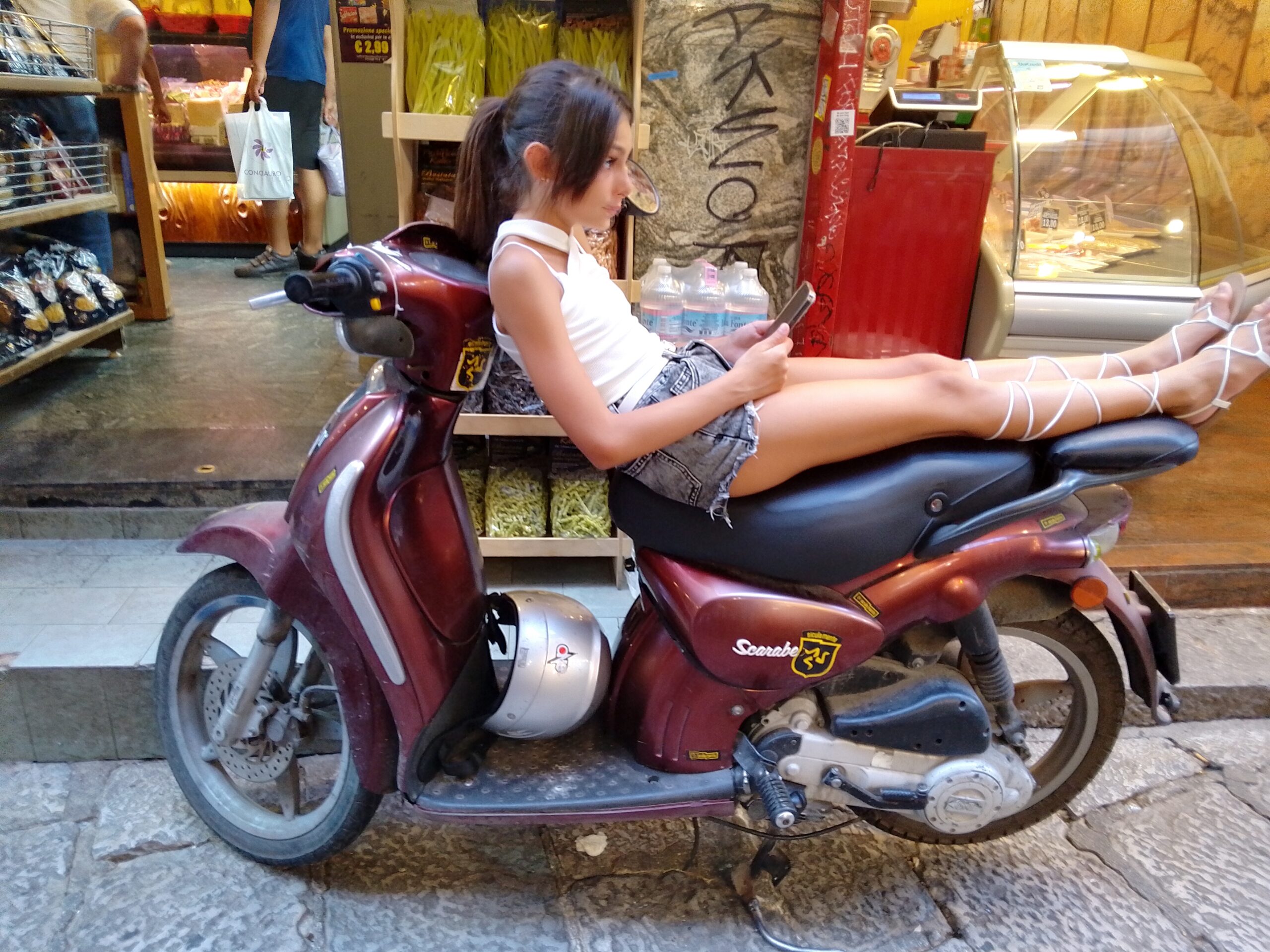
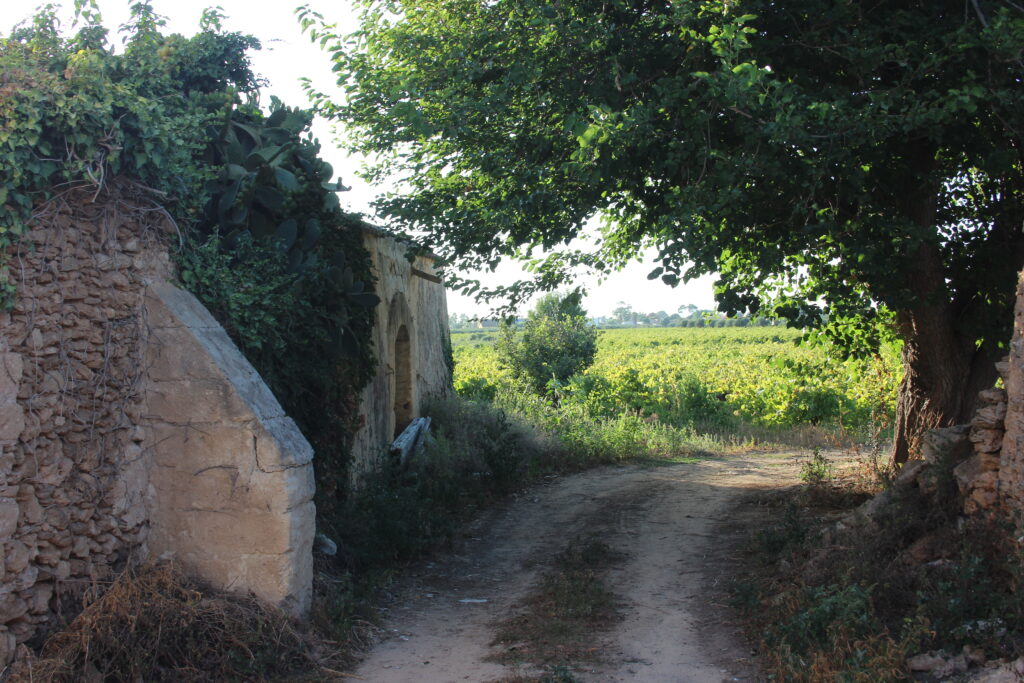
    I leave you with a few pictures of my recent visit to Palermo. Enjoy.


  • Articles - Cinema

    Barbieland behind the curtain

    It’s a Barbie world, sang a song, and now we hear the same tune in a movie. 

    But we do NOT live in a Barbie world. 

    If anything, it’s quite the opposite. 

    For all its defects and its shallow consumerism, Barbie’s world was kitsch but at least it was pink and cheerful. 

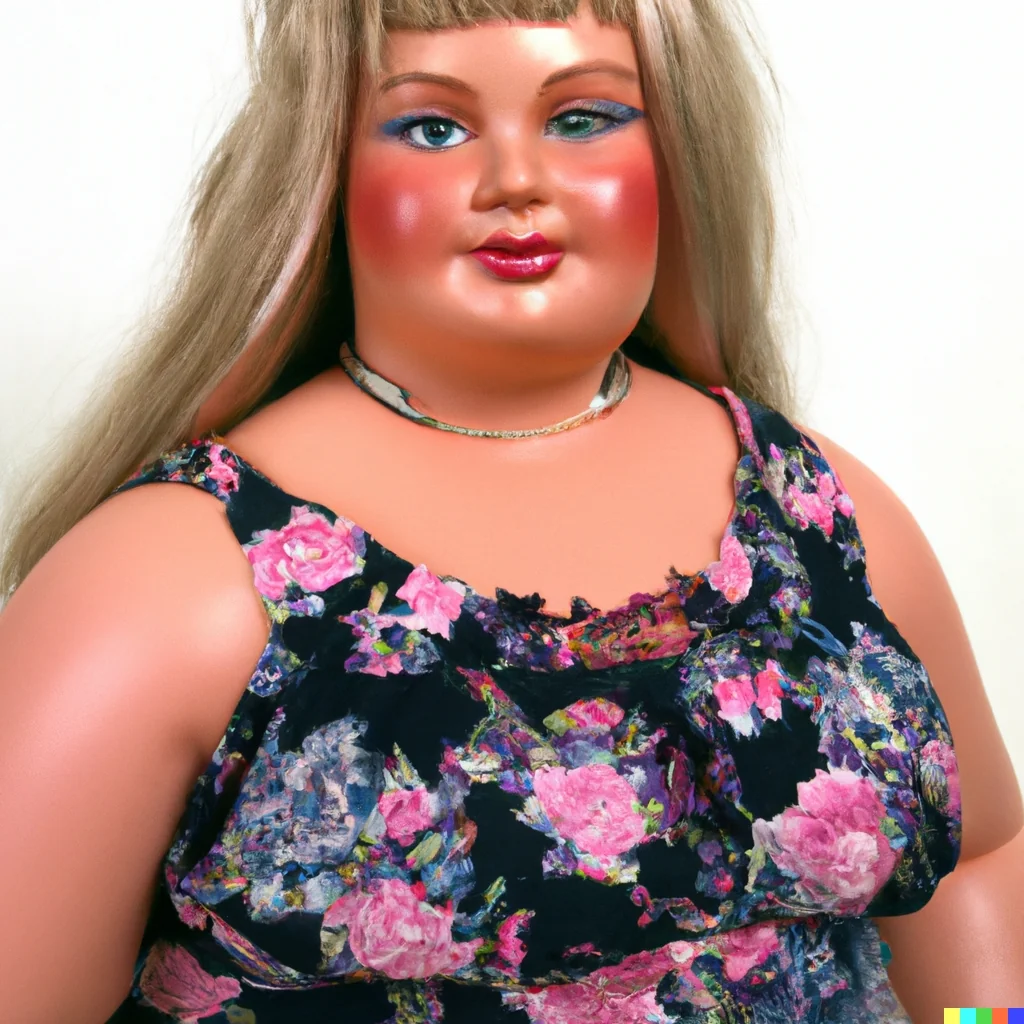
    But our modern world is, in lots of ways, grey and ugly and sad. Most men and women are overweight. Women dress mostly in black, dye their hair in unnatural colours and vandalize their bodies with tattoos. And all this is pushed from above, of course. This is from a recent fashion show in Berlin, telling modern women how they should dress. 

    After years of mostly not watching any recent Hollywood movies, I ended up watching “Barbie”. 

    I know I shouldn’t, but the only other option was the latest “Indiana Jones”, which I knew was really bad, and “Oppenheimer”, which was three hours long and was also another obvious propaganda film. But we’ll talk about this one some other time.  

    Anyway… “Barbie” was really, really bad. I knew it was going to be bad, having read a few reviews, but I didn’t expect it to be this bad. It is almost unbelievable that it is making so much money. I think the marketing was very clever, and the brand name is of course very strong. The art direction is pretty good, I suppose — but otherwise the movie just sucks. 

    They could have made a good movie for the “Barbie” doll audience — you know, girls from 5 to 13 or so. Before they went full woke, Pixar and Disney used to make relatively good movies that were fun for children and bearable for adults. 

    But Barbie is something else. 

    First of all, the plot makes no sense. It’s a lazy script, never bothering to explain the rules of its own universe. It feels more like an essay written by a Women’s Studies major. It even has this very annoying narration that puts you off from the minute it starts, and I lost count of how many times they use the word patriarchy.  

    The only thing that I found remotely interesting, was that at some point they suggest that whatever children do with their plastic dolls ends up affecting the living dolls in “Barbieland”, in some kind of voodoo effect. 

    I thought this could become a cool plot for a horror movie. 

    But alas, that was not to be. 

    No, they preferred to  insert two annoying LatinX women, mother and daughter, preaching feminist cliches.  

    And the mother of course has a pathetic white husband, another classic trope. It’s even implied that he’s not even the real father of the girl. 

    Then there’s the always awful Collin Farrell in a retarded role that is not funny and doesn’t make any sense either — why do they want to capture Barbie anyway? It’s never really explained.  

    I find it strange that it is NOT a film for children. It is really a cynical film directed to adults, or to people who played with Barbies long ago but now for some reason find this “problematic”. 

    Is Barbie problematic? While the film apparently makes a big deal of the fact that the doll doesn’t have a vagina — er, I think only sex dolls have it — or that it brainwashes girls with an unattainable ideal of beauty, for me the main problem of Barbie is its consumerist aspect. Barbie has lots of clothes, accessories, houses, cars. If you have a Barbie, you need to have a Barbie house, a Barbie pool, a Barbie car, a Barbie private jet. Lots of grown-up western women are like that these days, they want more and more. But to be honest, I don’t think it’s Barbie’s fault… 

    The film also talks about feminism against patriarchy, putting men against women. Was there any age such as ours, in which men and women seemed to be so far apart and hating each other so much? Men blame women, and women blame men. And both are increasingly alone. Lonely men end up watching OnlyFans and lonely women end up having cats and drinking wine. 

    Some people criticized the film saying that it was against men, but I don’t think what the film is really about. So what is it really about?  

    I think it is about showing what and who’s behind the curtain and rubbing our faces in it. 

    The film starts with a scene showing children playing with baby-like dolls. Then, in a parody of the scene in 2001, a giant Barbie appears, and the girls crush their little baby dolls.  

    So it’s basically saying, very directly, “yes, we created Barbie to stir away little girls from natural impulses such as becoming mothers, to make them want to become future single women and party girls.” They even say at another point that a pregnant Barbie doll is weird.  

    Then there’s the whole Ken patriarchy subplot, which again is about the usual dialectics of setting one group against the other. While women get poisoned by feminist influencers, men are led by the so-called PUAs of the manosphere. Now they are trying to sell us this Andrew Tate guy. I never watched his videos, but he’s a clearly manufactured icon. He’s being sold as some kind of role model of masculinity, but… What kind of “role model” for young men is involved in prostitution, porn and corruption? It’s just the other side of the coin — women are sold the OnlyFans prostitution lifestyle, and I guess men should become sugar daddies or pimps. In fact, in the movie, patriarchy Ken dresses very much like a pimp. 

    Finally, there is a scene in which Ruth Handler, the Jewish creator of the Barbie doll appears and talks to her own creation. This is also about showing what’s behind the curtain. 

    Bear in mind that the film is written by Jewish filmmaker Noah Baumbach, who is the husband of director Greta Gerwig, who may or may not be Jewish herself, but who grew up in a very Jewish environment. The film is of course produced by the Jews at Warner Brothers and by Mattel, which was founded by Jewish Ruth Handler and her husband Elliot Handler, and currently has an Israeli CEO, Ynon Kreiz. You can’t get much more Jewish than that. 

    I wouldn’t mind if they had made a half-decent movie, and I never had much of a problem with the Barbie doll itself, but this is a really annoying and preachy film. My advice is, stay away.  
     

  • Articles

    The Dog That Didn’t Bark

    In a famous Sherlock Holmes story, the detective draws attention to a curious incident of a dog that didn’t bark at night. Sometimes, what we don’t hear is almost as important as what we hear. While we are bombarded with news about global warming, what is the media NOT barking about? 

    There are a lot of environmental catastrophes that are simply ignored. Our food is full of plastics, chemicals and pesticides, rivers are overflowing with pharmaceutical compounds. But the media is mostly silent on this. Big Pharma and big corporations have big pockets.  

    The long-term effects of mass migration are also hardly discussed, even when they had for now a much higher impact on society than so-called “climate change”. 

    Now the media is stoking fear against any possible type reduction in migration, with Spain, Germany and other European countries having supposedly right-wing parties coming to power. 

    I wouldn’t worry. Nothing will change. The Right is as useless as the Left. Or perhaps even worse. 

    Just look at Italy, where a supposedly far-right Georgia Meloni was elected on the promise to reduce the number of illegal migrants coming in boats, and ended up triplicating it. Now she’s even saying that “Italy needs migrants” and is increasing legal migration channels from Africa and India. 

    I don’t see much difference between legal and illegal migration, to be honest. Canada has mostly legal migration. In Germany, most of the refugees are legal. So what? The problem is not if it’s legal or illegal which is just a question of papers. The question is where they come from, and how many. 

    If Italy really needs migrants, which I doubt, what they could easily do is to bring more Italian descendants. Currently the process to obtain Italian citizenship by “jus sanguinis” (proving you have Italian ancestors) is very long and arduous. It may take years, sometimes even a decade. Why not bring immediately those people, who at least has some Italian ancestry, instead of random non-Italian foreigners? 

    Even when authorities act against migration, it’s in stupid ways. For instance, now in Germany a Vietnamese family who lived legally in the country for 30 years and has no criminal record is to be deported on a technicality. I don’t know the details, but I am sure there is a long list of convicted criminals who could be given priority on deportation. But the deal seems to be that you have to keep the worst elements and expel the best.

    It’s not just immigration. In all things, so-called conservatives do little more than complain while the changes keep happening. Because, what are conservatives conserving really? While the left acts and makes changes to society, those changes become part of the system, then conservatives try to defend what years ago they were fighting against. Many conservatives today defend gay marriage, for instance. And of course they are the first to be in favour of war, big corporations, Big Pharma, big everything.   

    You may think this is something new, but already a 100 years ago, G. K. Chesterton wrote: 

    “The whole modern world has divided itself into Conservatives and Progressives. The business of Progressives is to go on making mistakes. The business of Conservatives is to prevent mistakes from being corrected. Even when the revolutionist might himself repent of his revolution, the traditionalist is already defending it as part of his tradition.” 

    So, don’t count on politicians to save us. We are alone. Well, perhaps that’s a liberation. It’s better to realize our situation than to cling to false hopes. Only the man who has nothing to lose is really free. And, as some seasoned politician is said to have told a newbie who had just come to Washington, D.C.: “If you want a friend in this town, buy a dog”. 


    Man and dog.
  • Art - Featured - Magazine

    Geist magazine nr. 5 and its future

    Our last and so far final number of Geist magazine (nr 5, Spring 2023) was received with great success and we did a small event to commemorate it. You can read it here, or purchase a print copy in full color at our shop. There are no plans at the moment for a new edition, although perhaps we will look into it in early 2024. We do thank all the people that participated in this project, as artists, writers or just readers. Perhaps we will continue it next year, we will see.